Nicolas Africano
Themes and Variations
March 26 - May 16, 2026
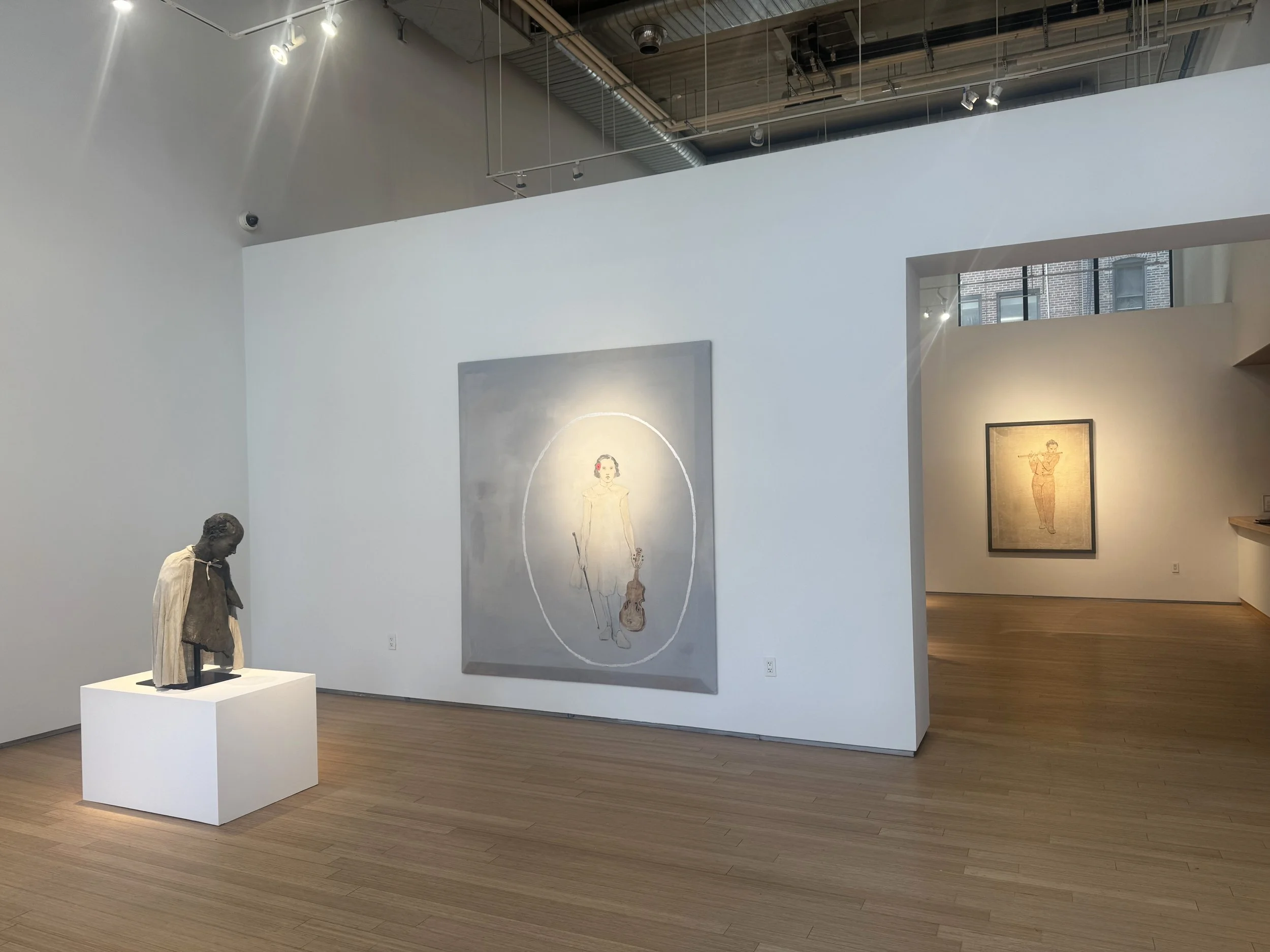
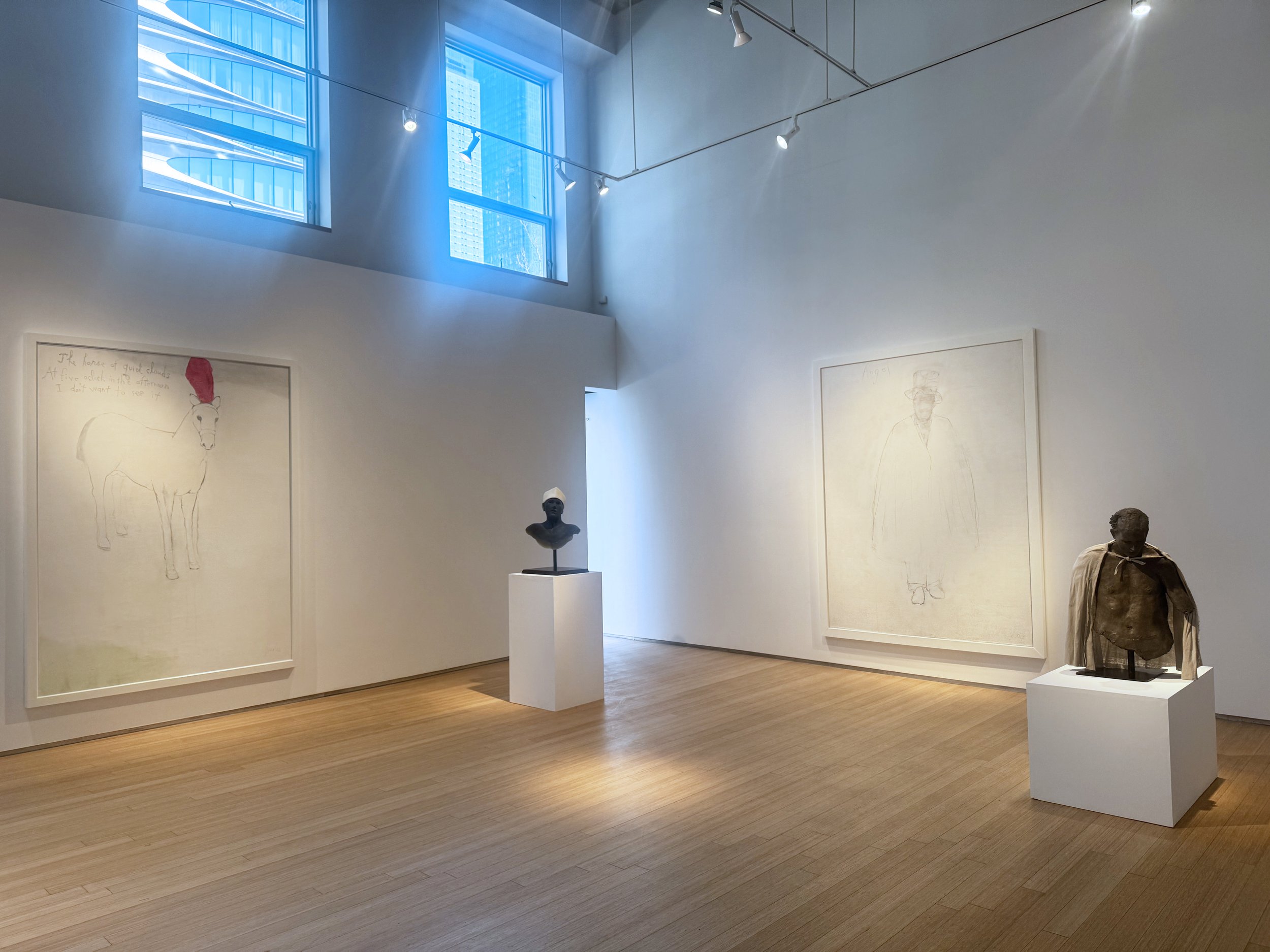
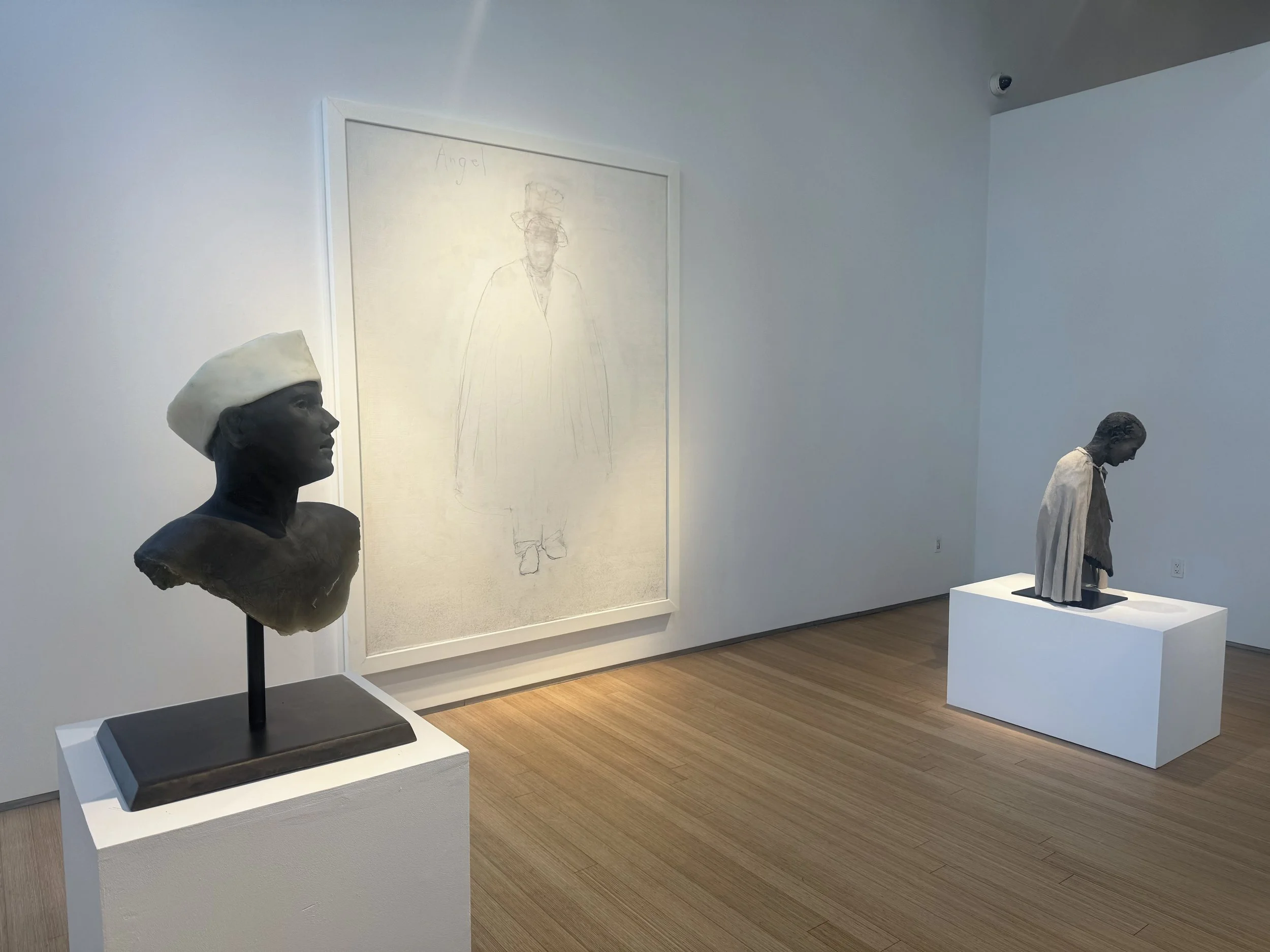
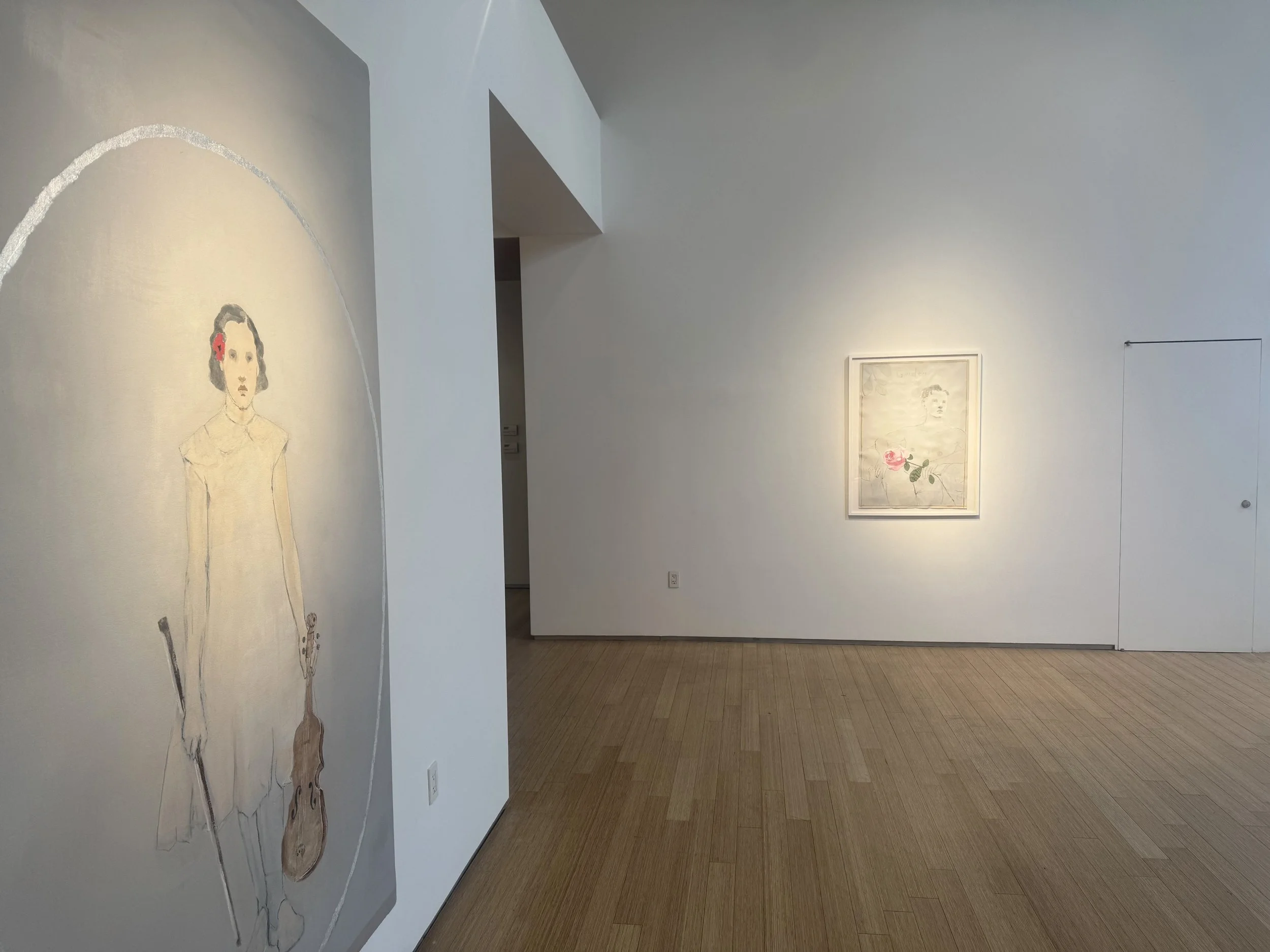
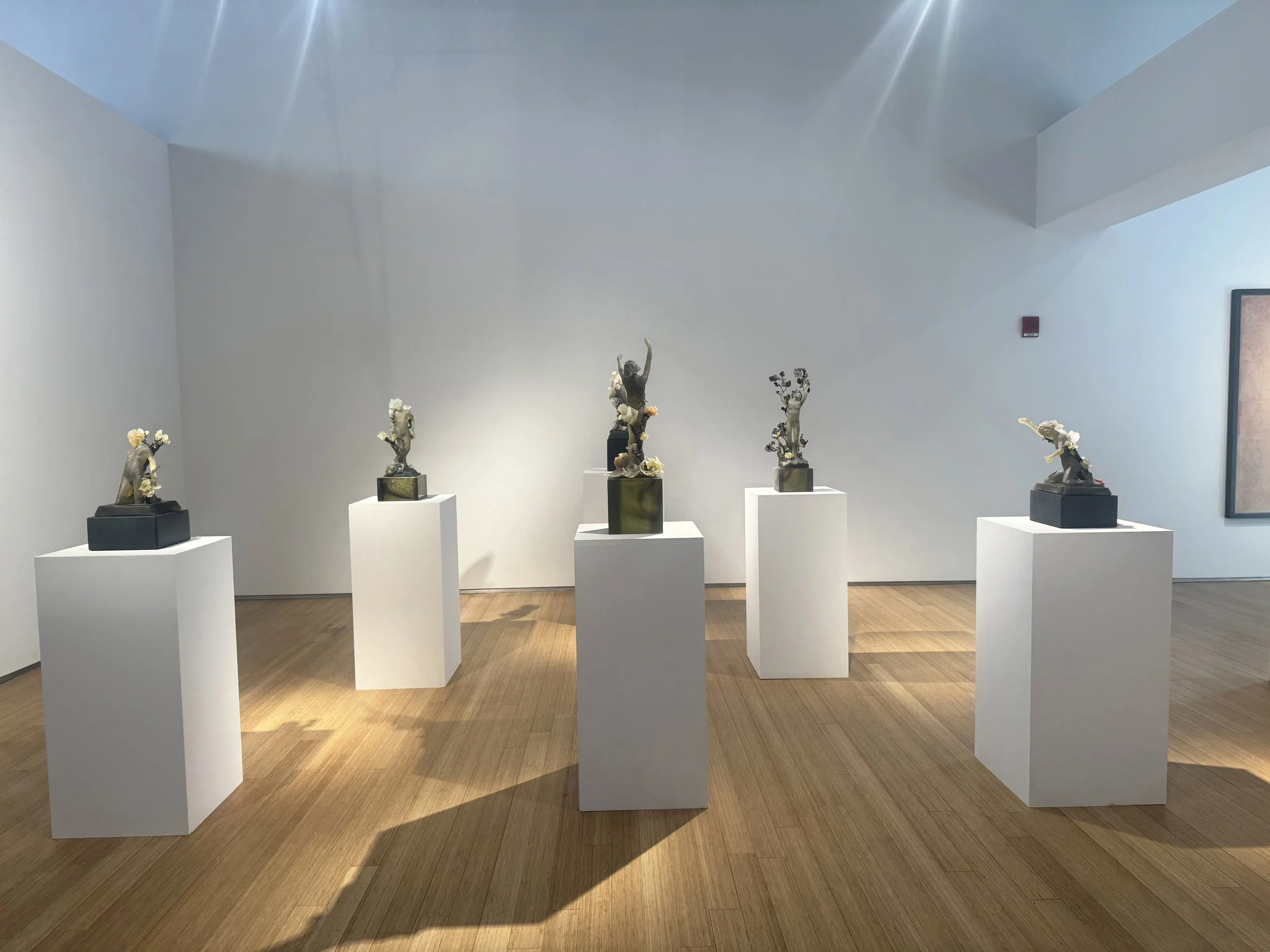
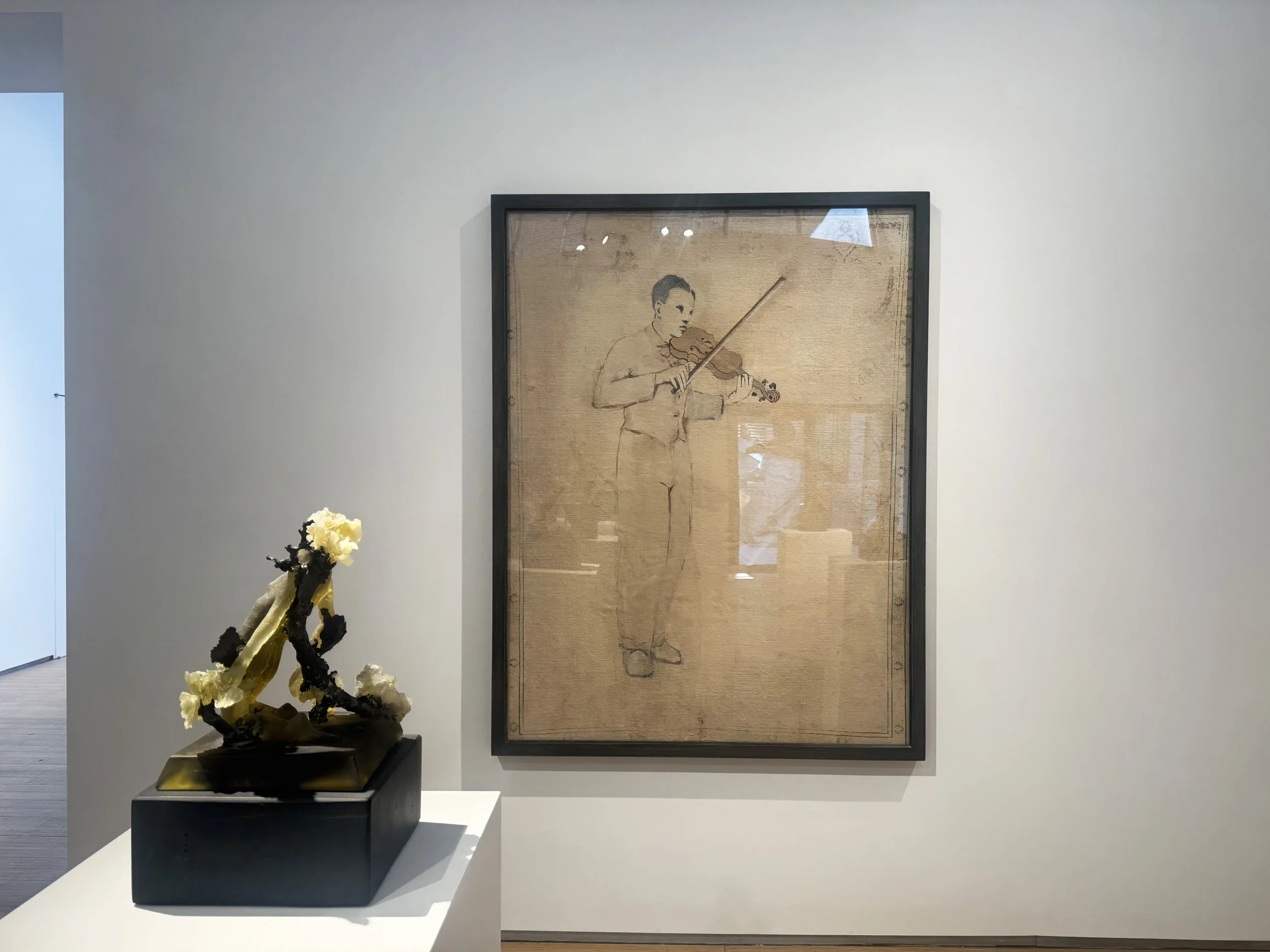
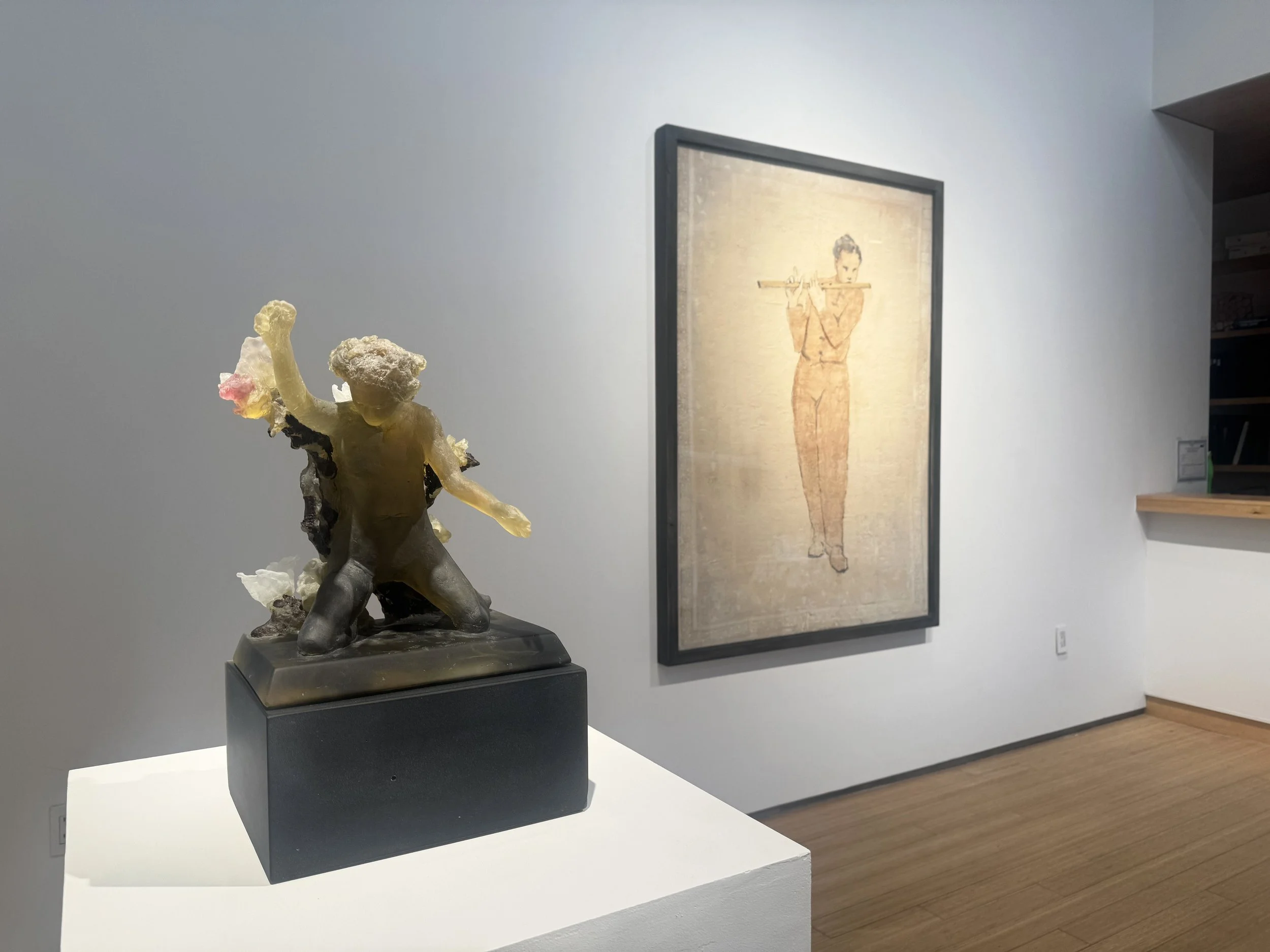
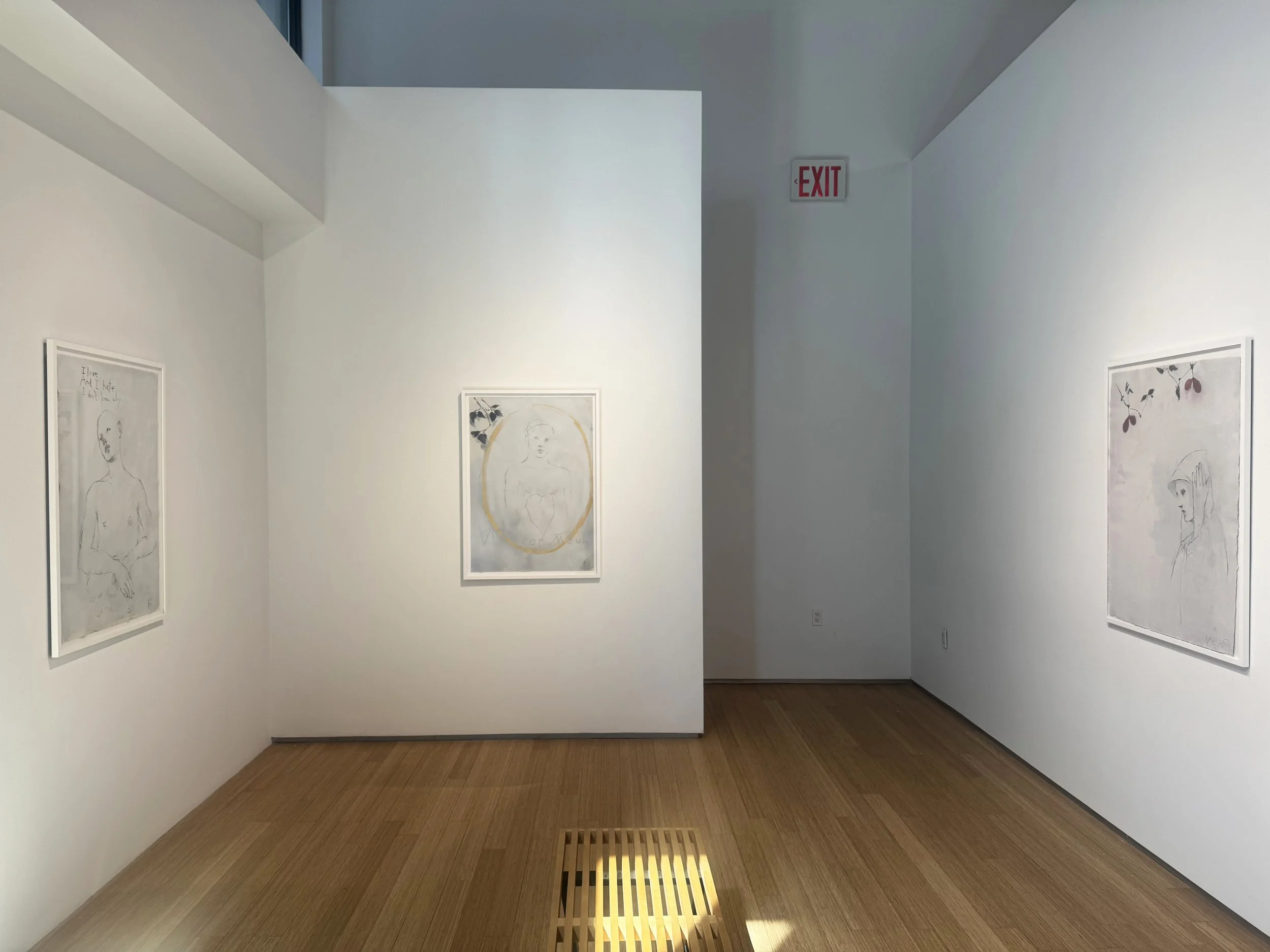
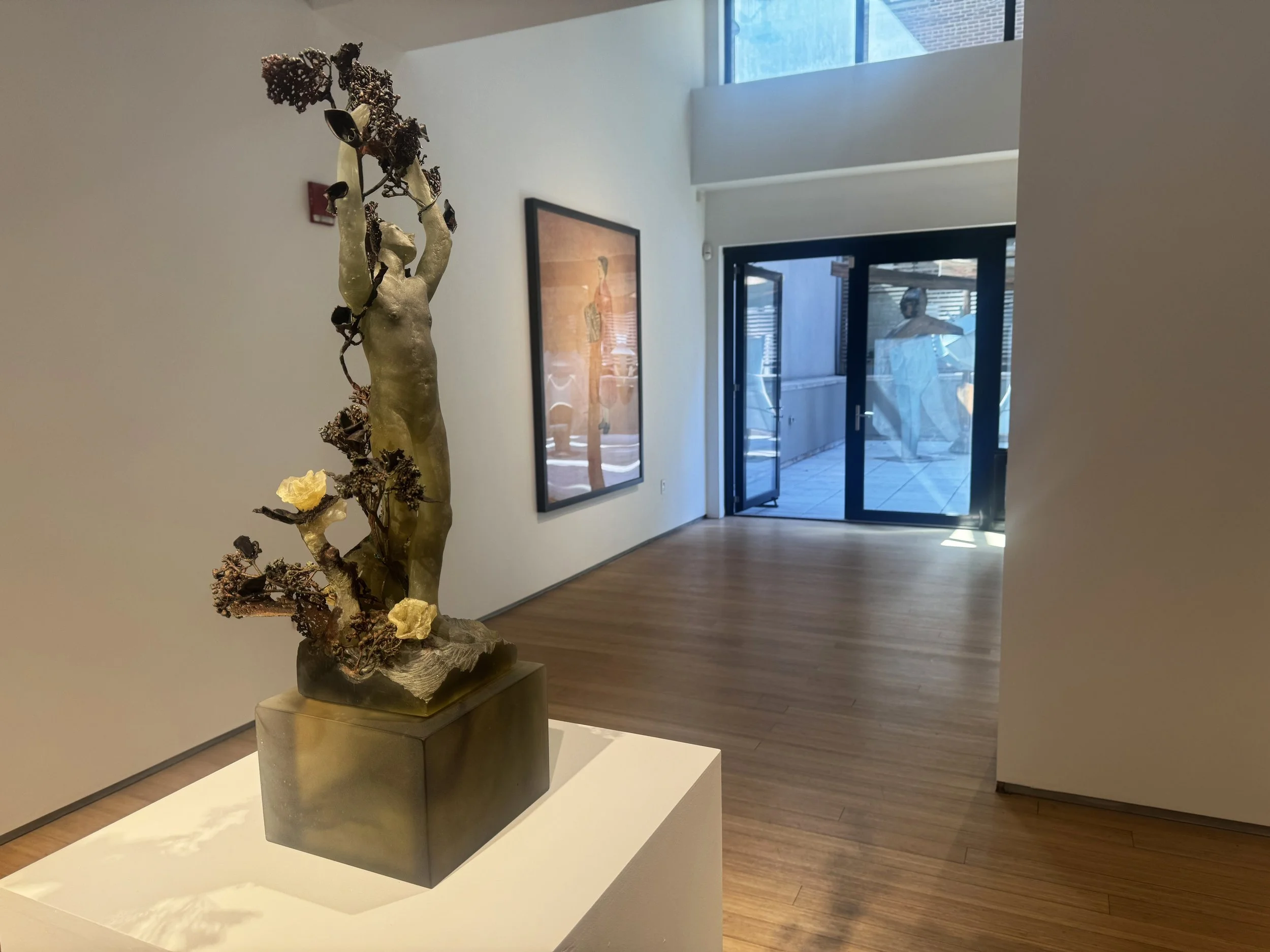
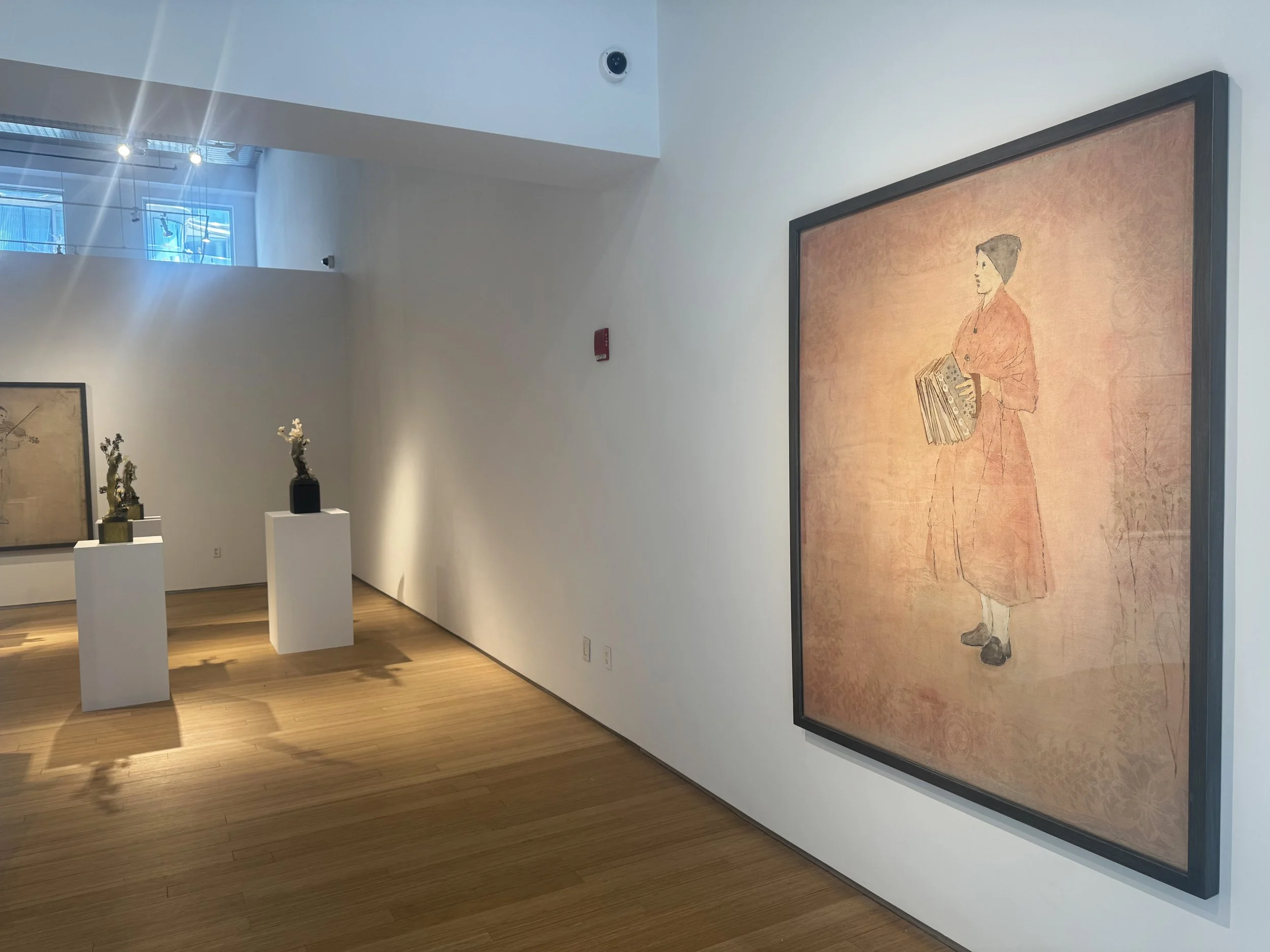
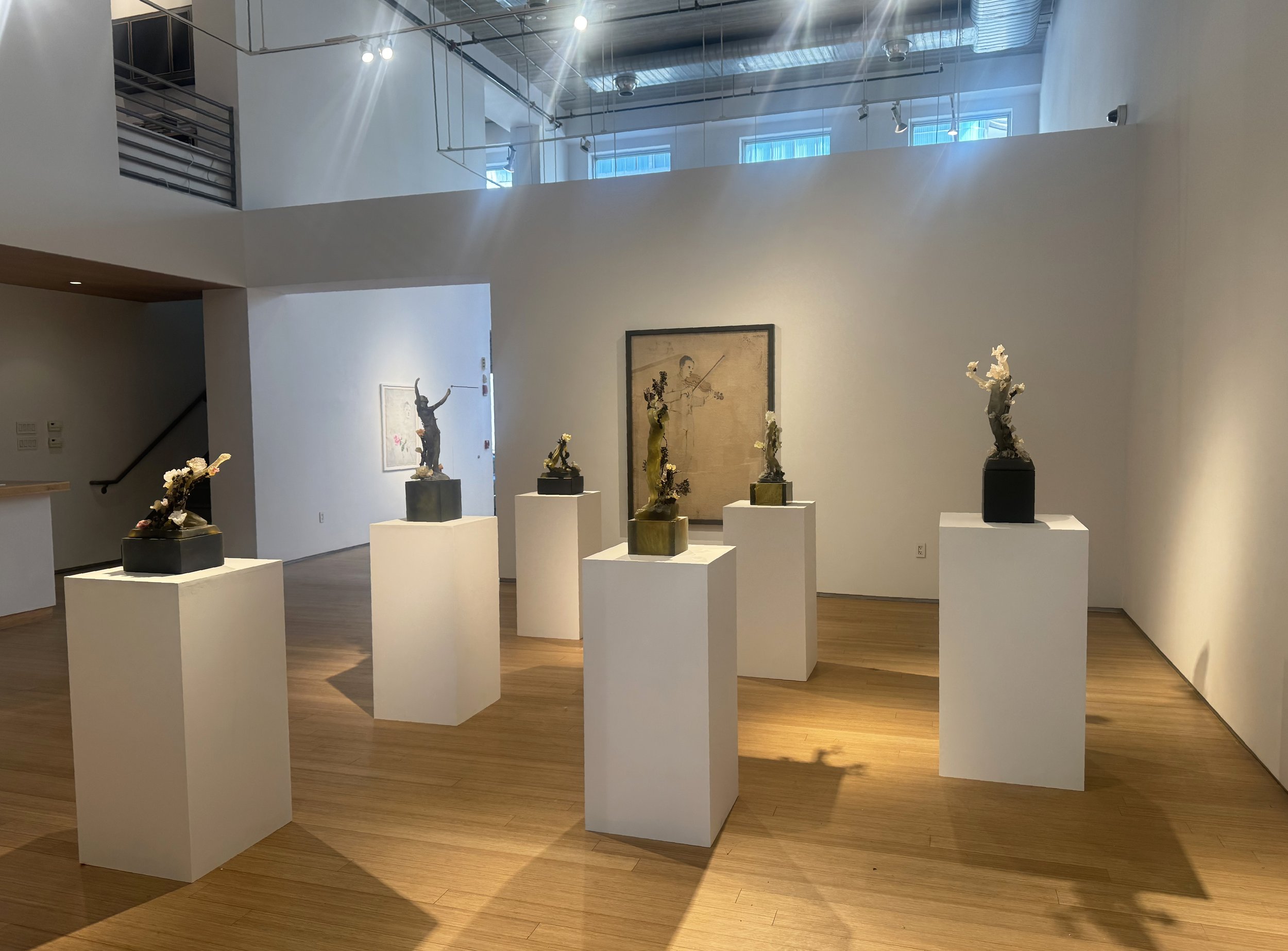
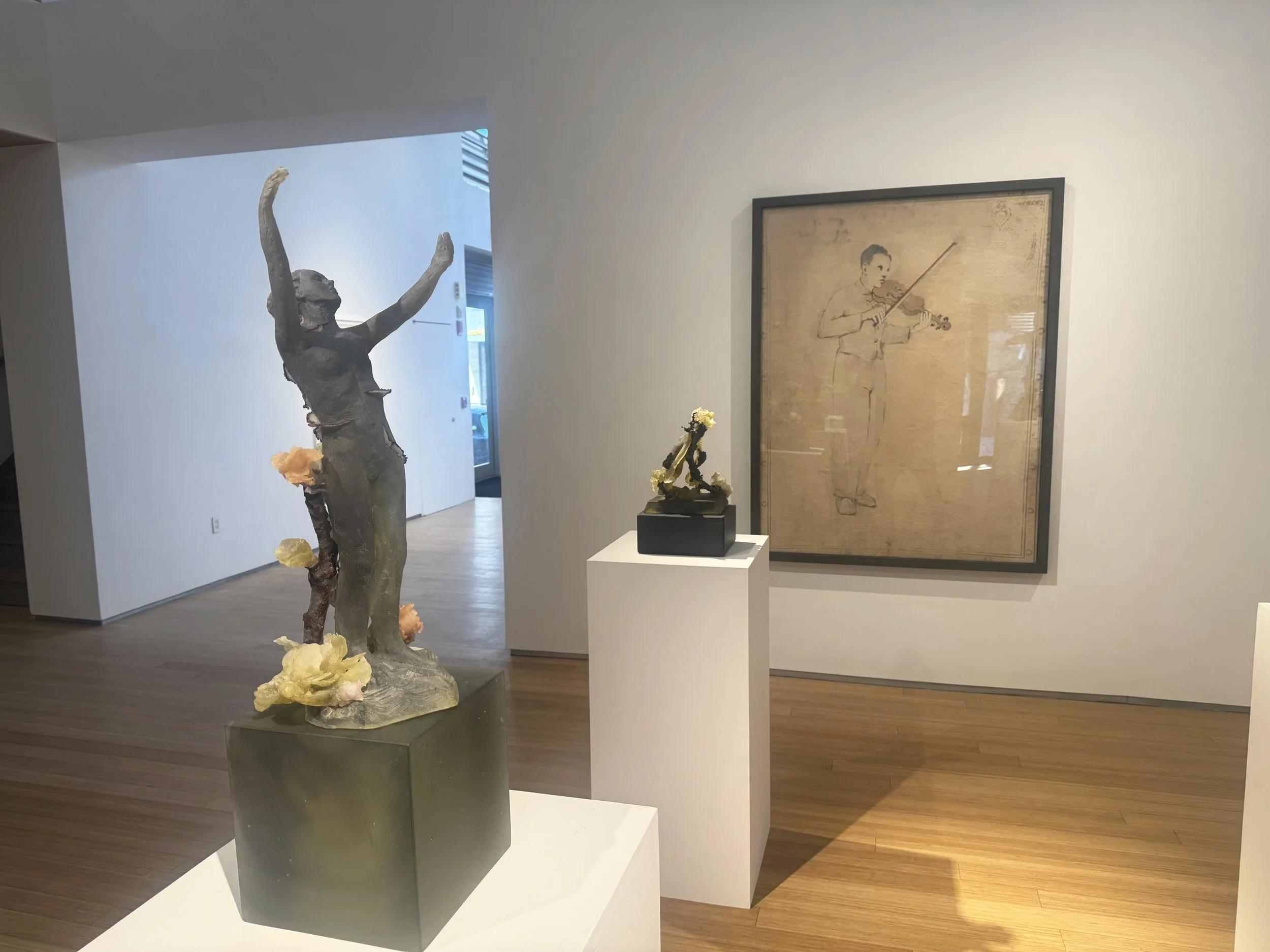
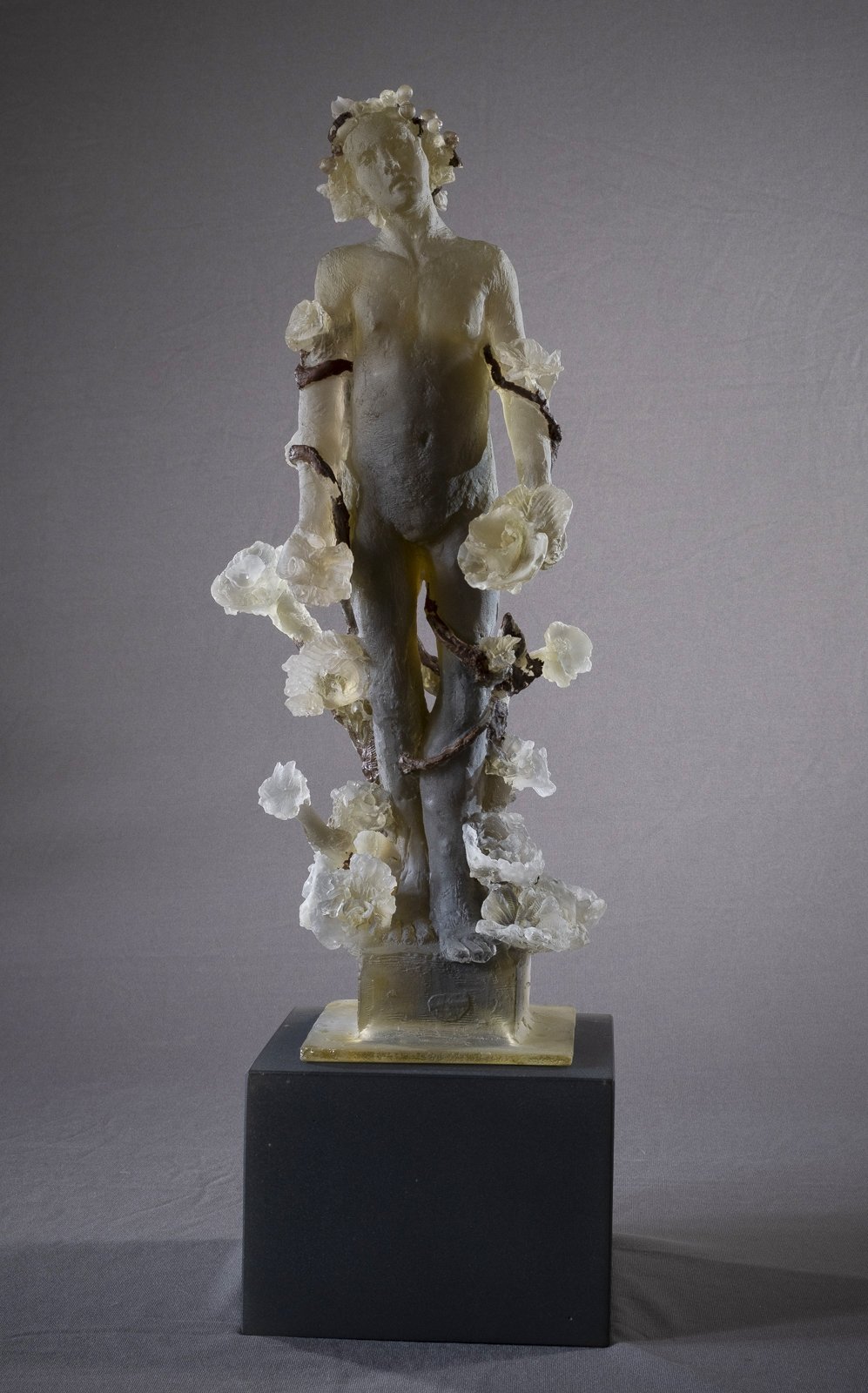
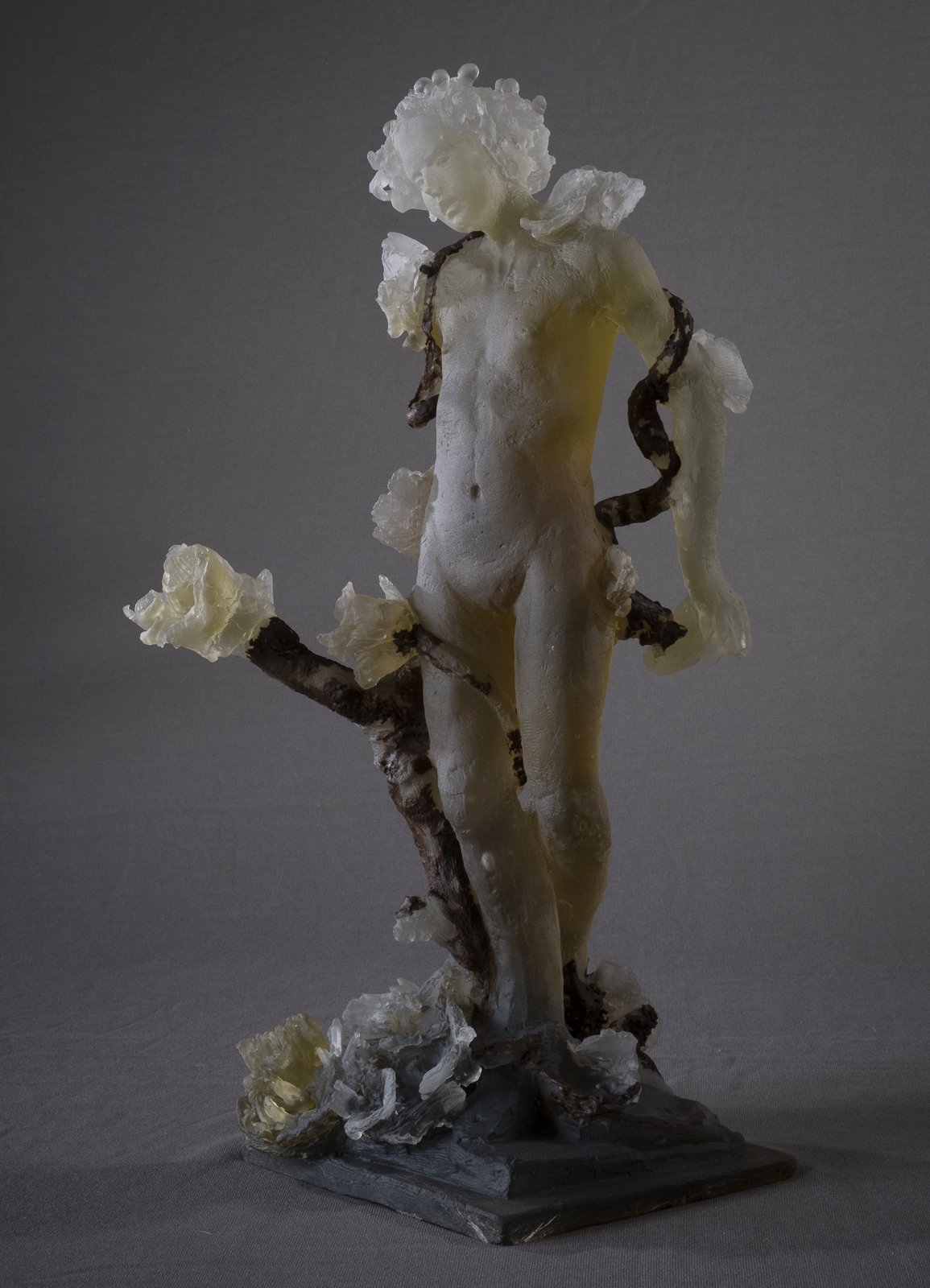
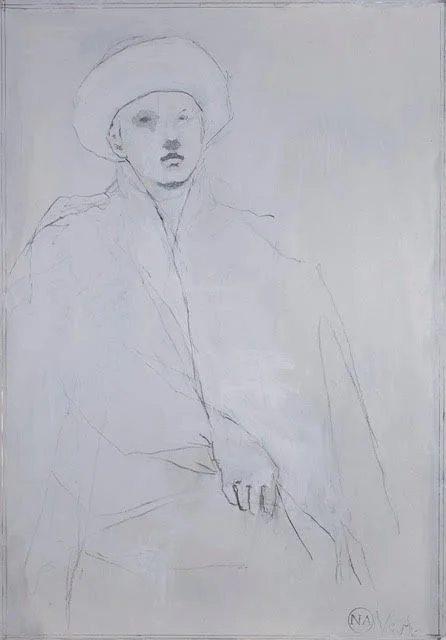
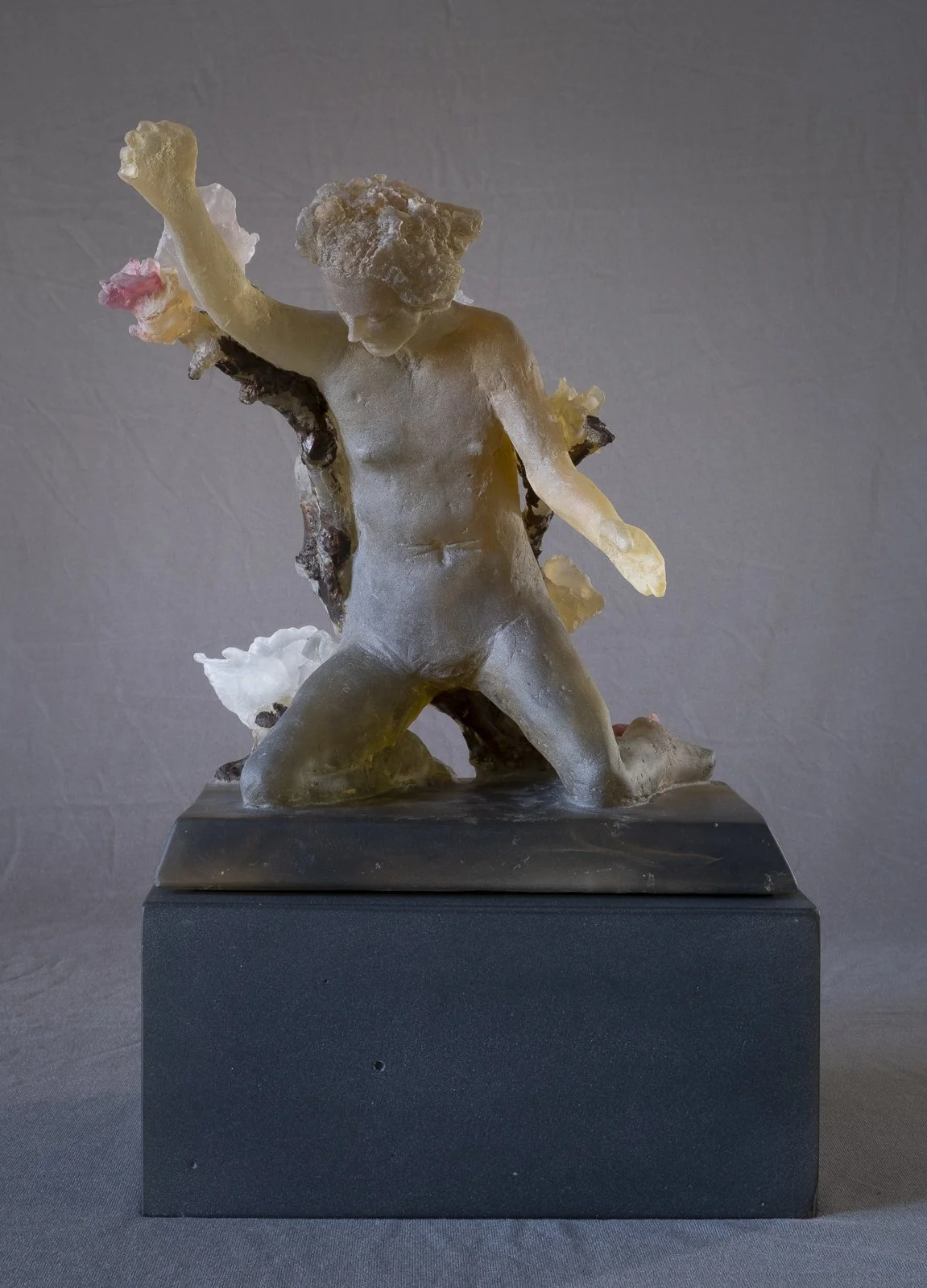
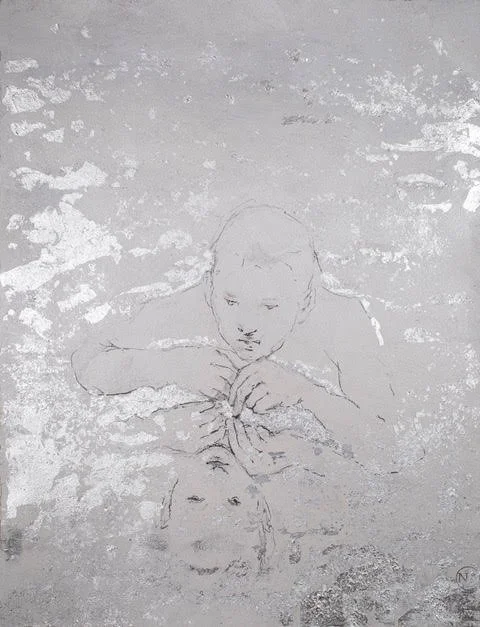
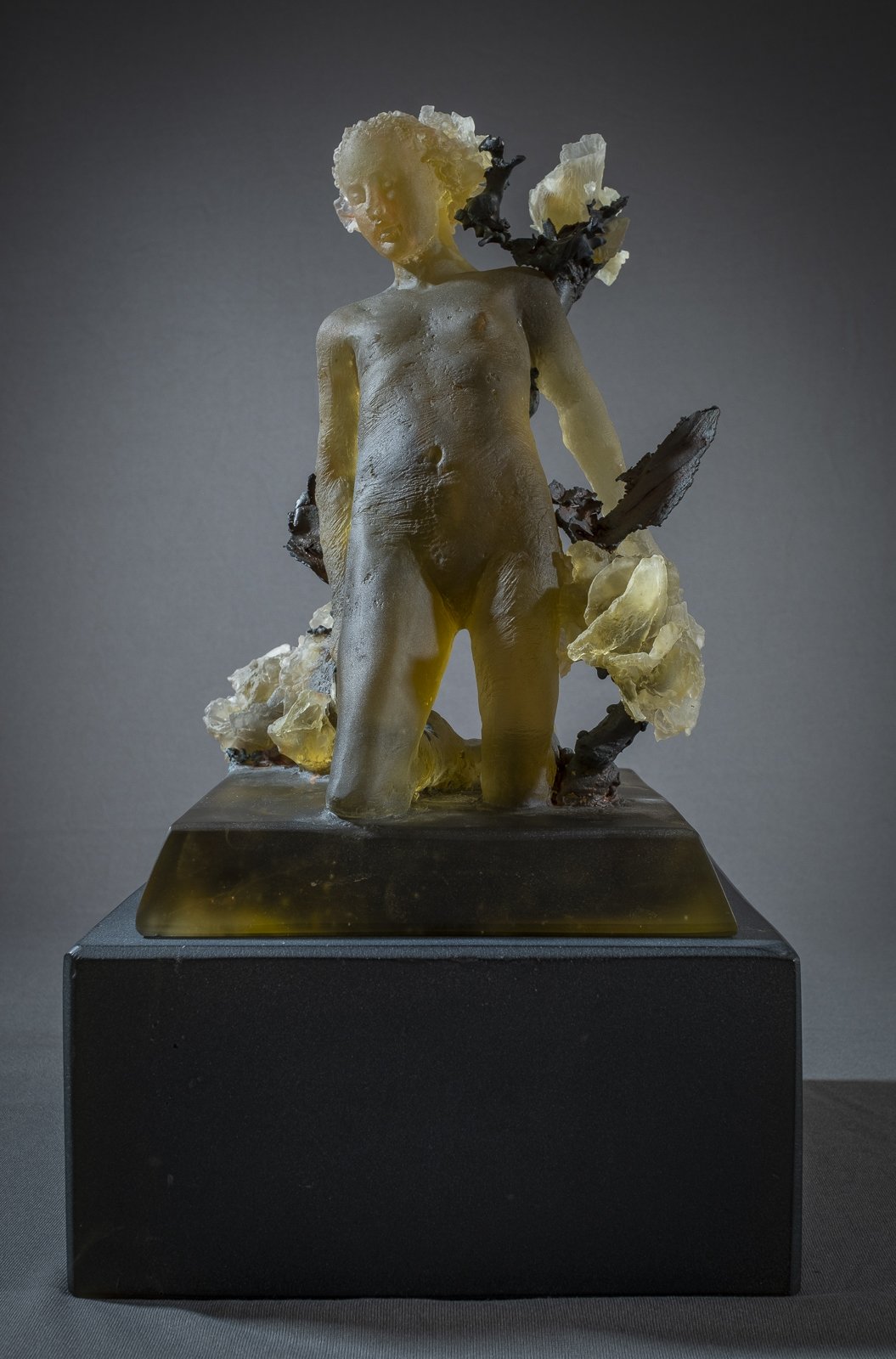
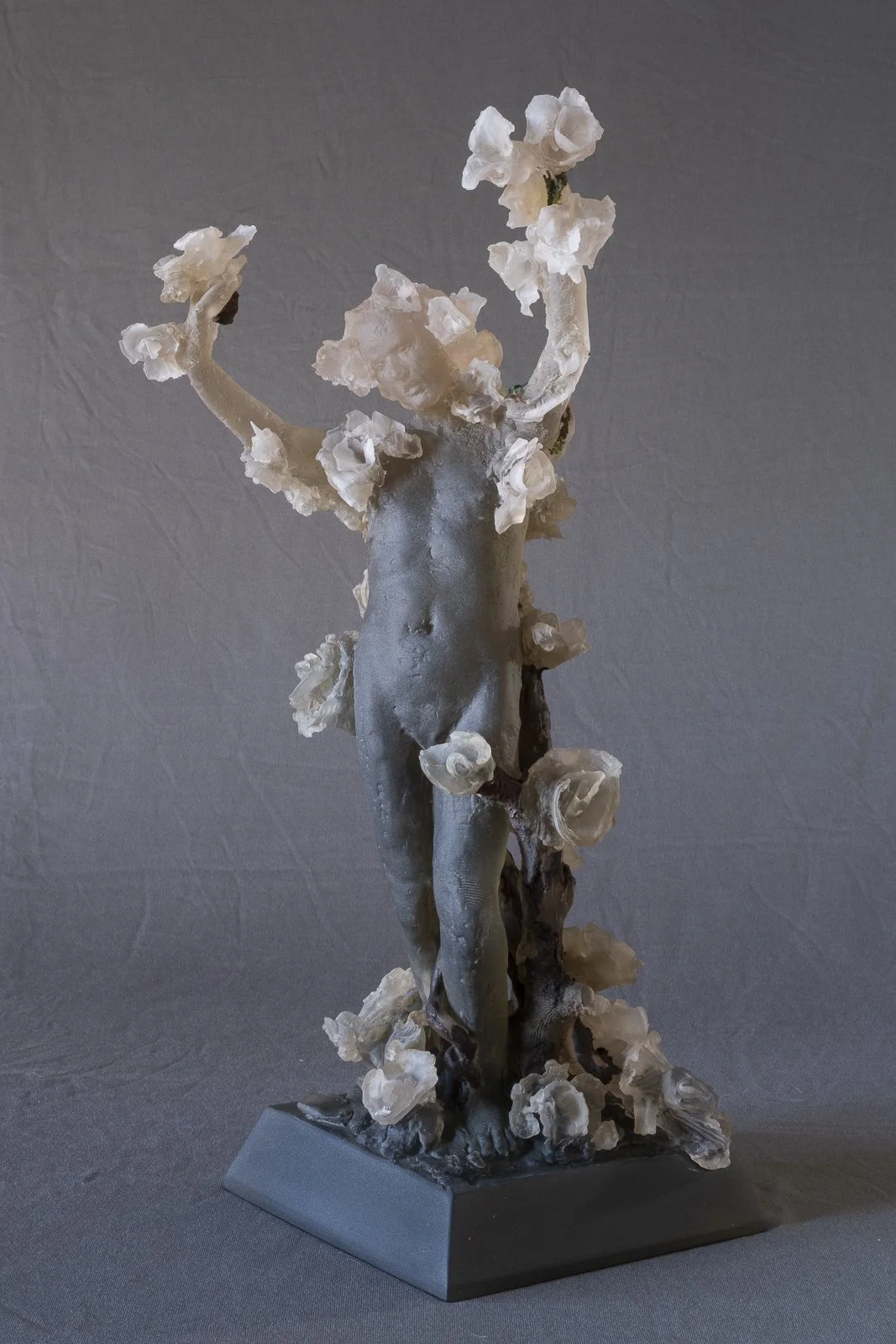
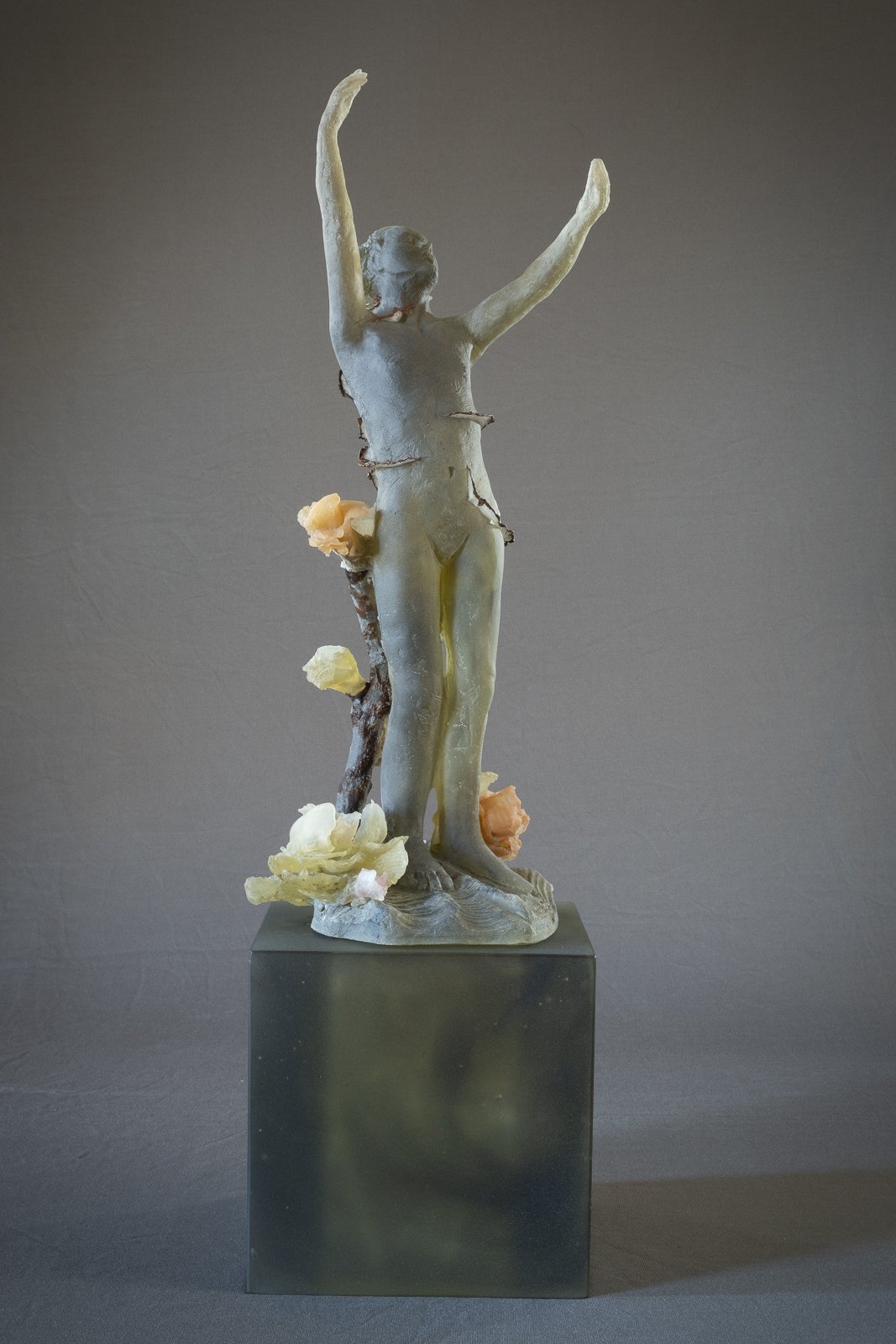
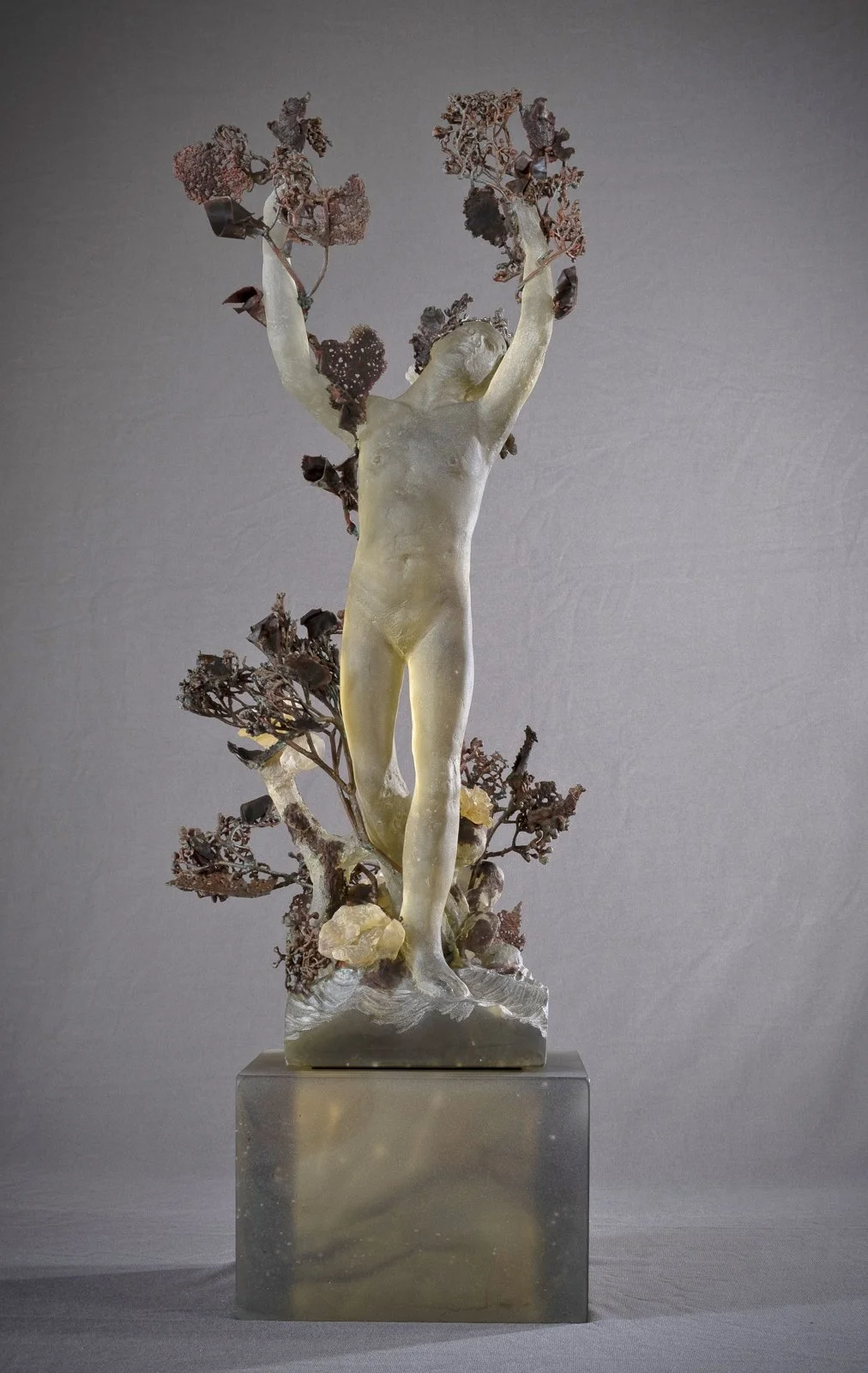
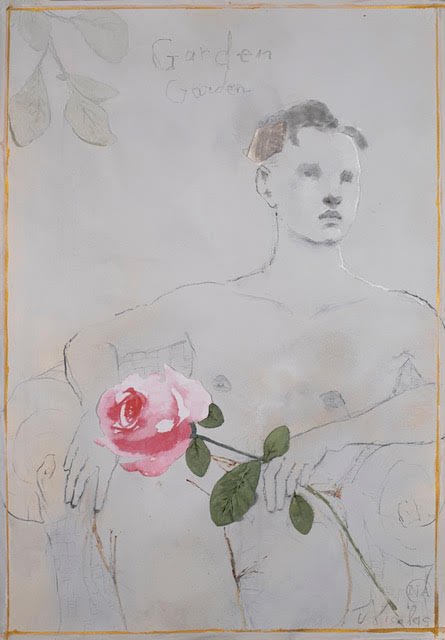
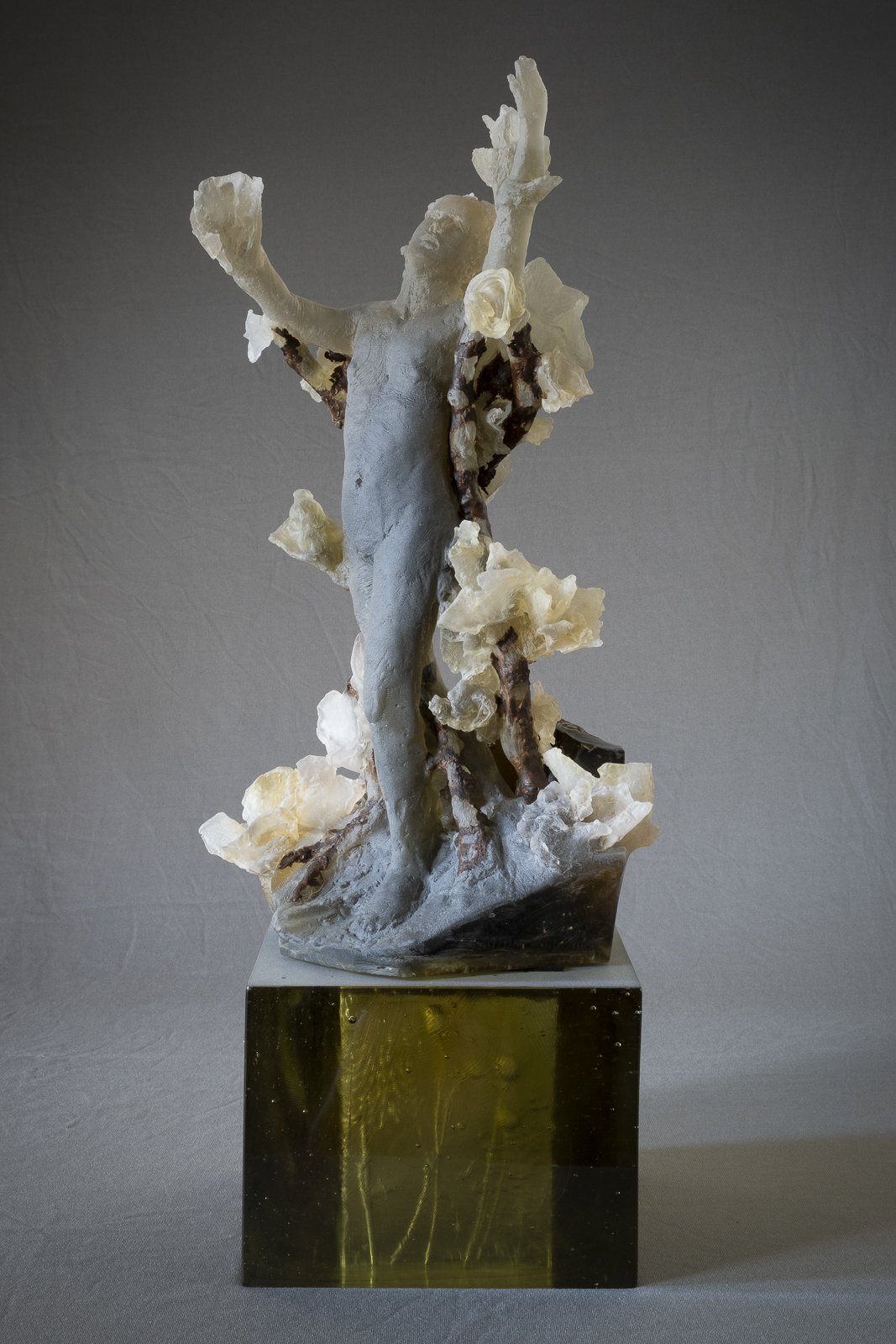
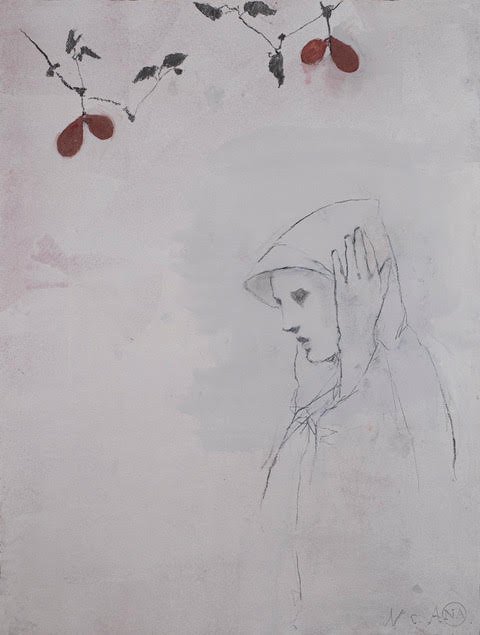
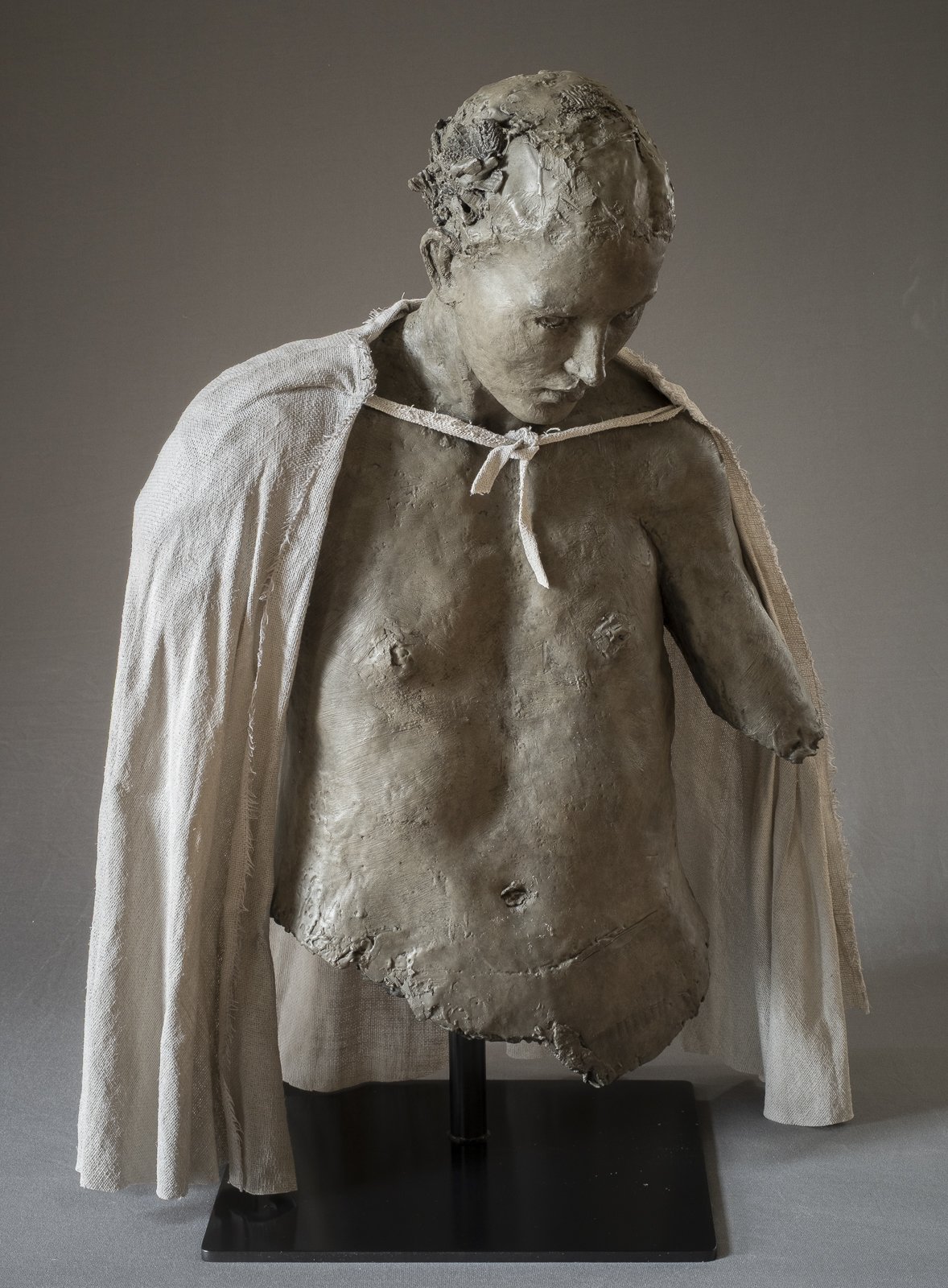
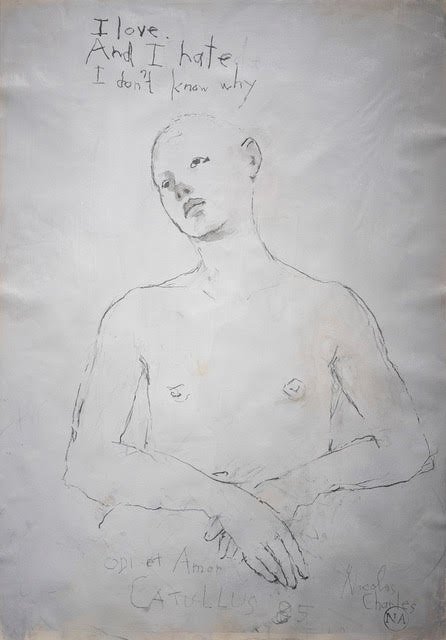
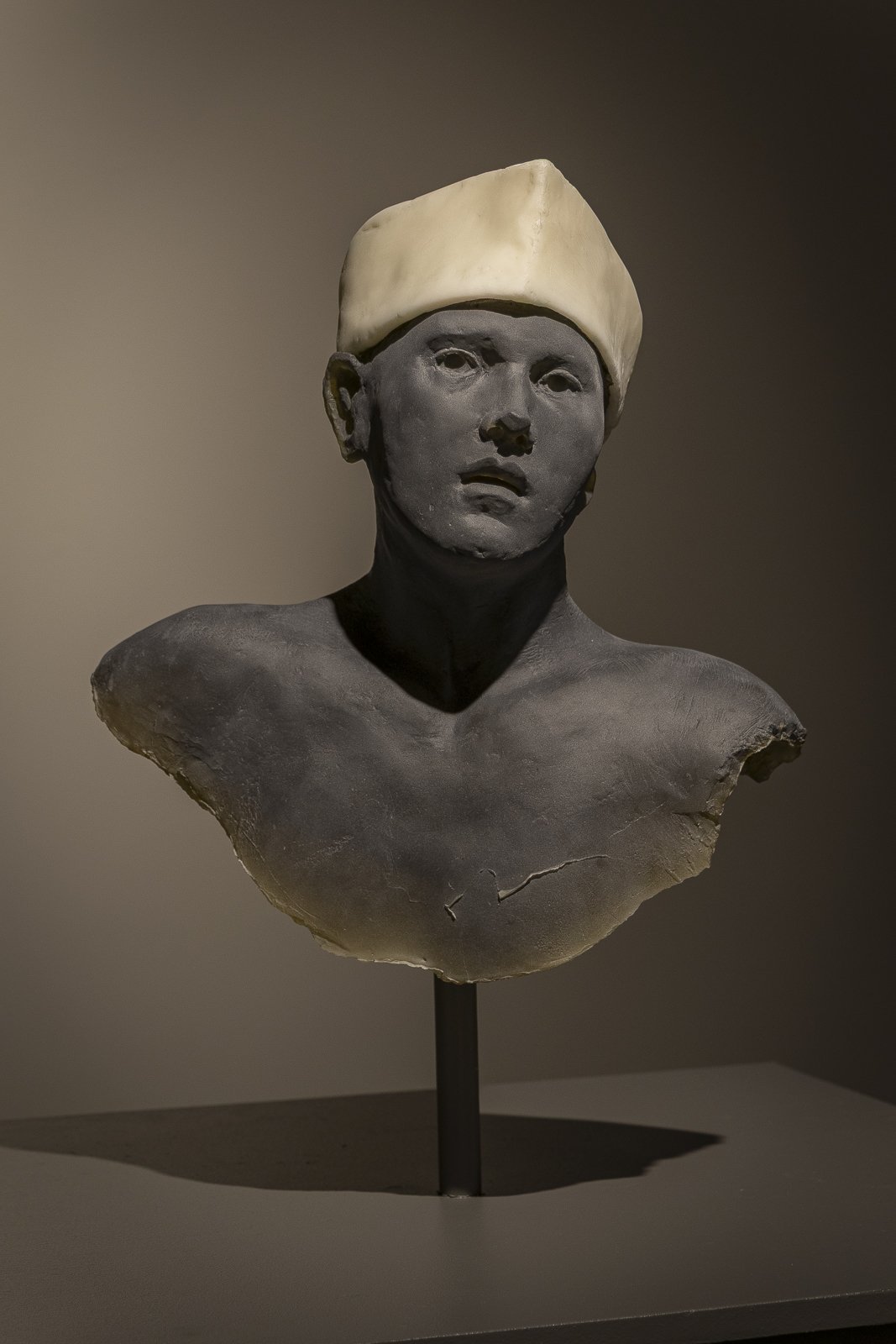
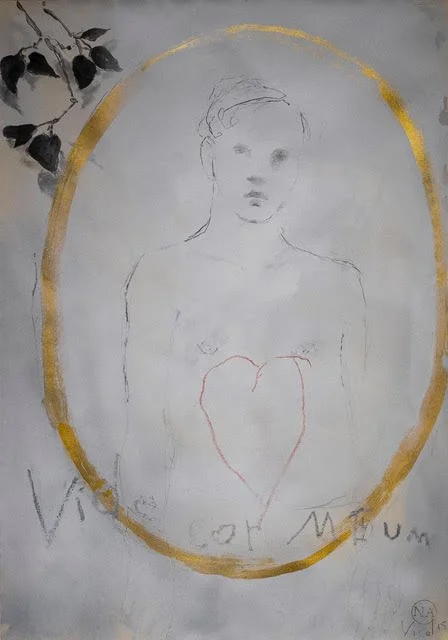
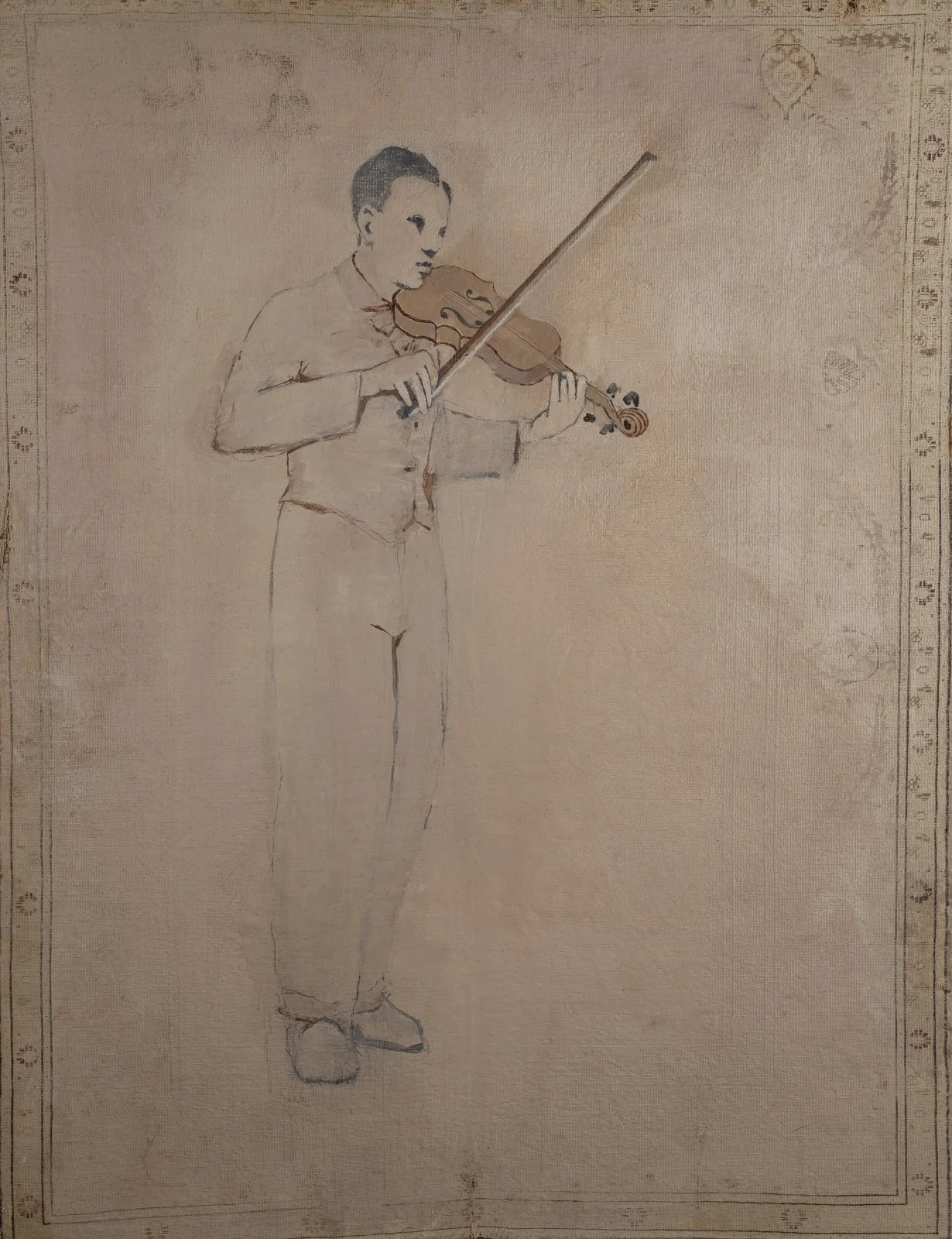
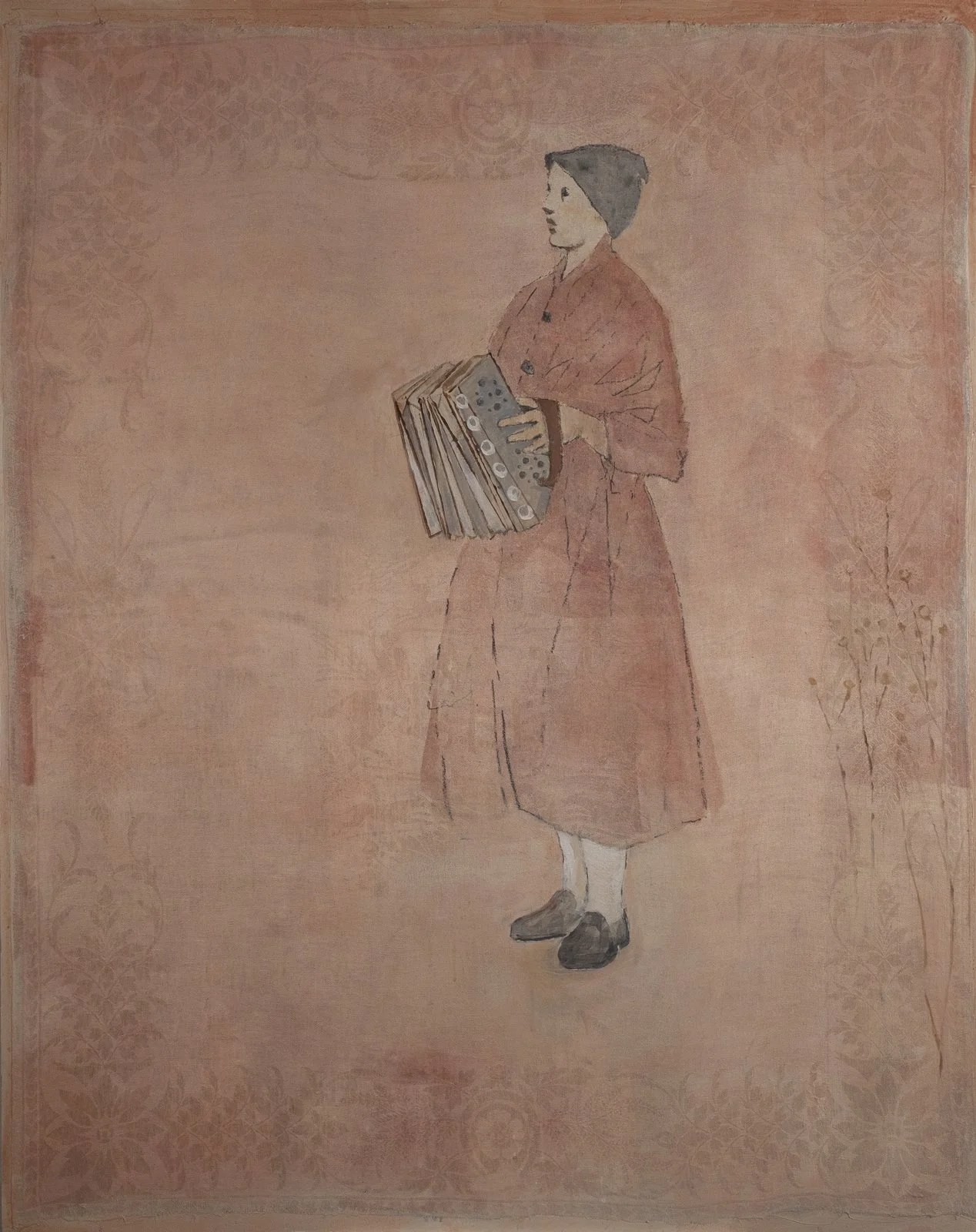
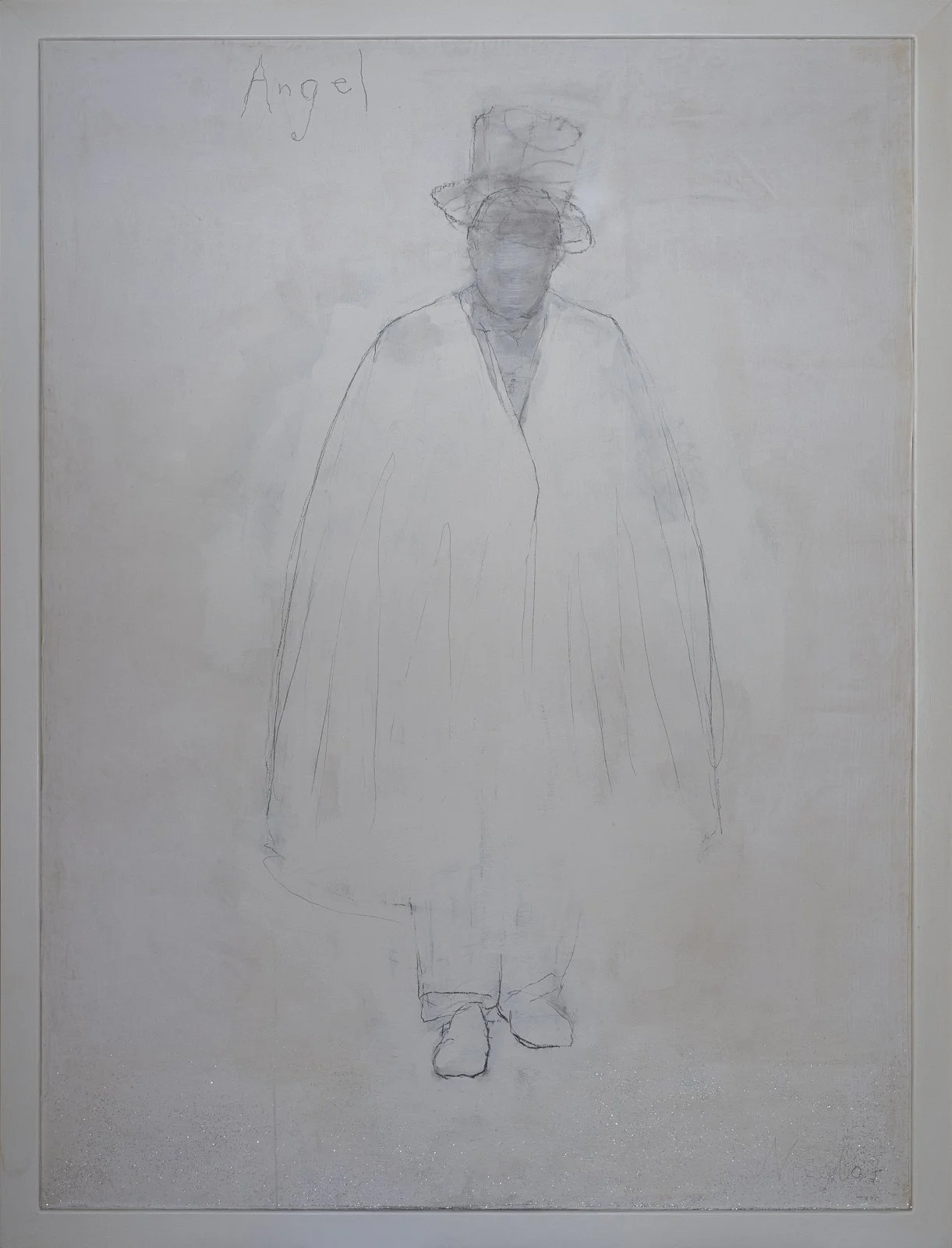
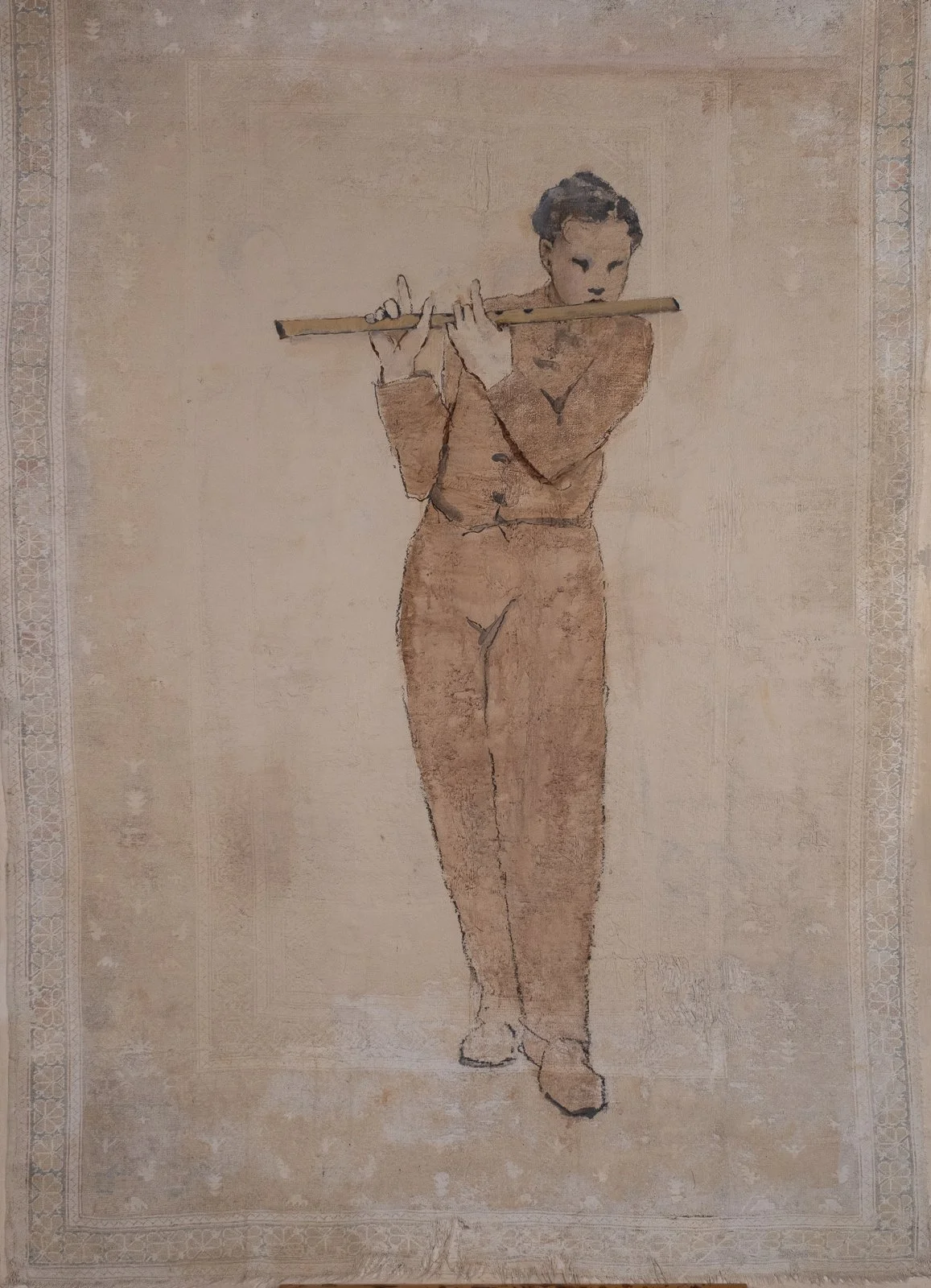
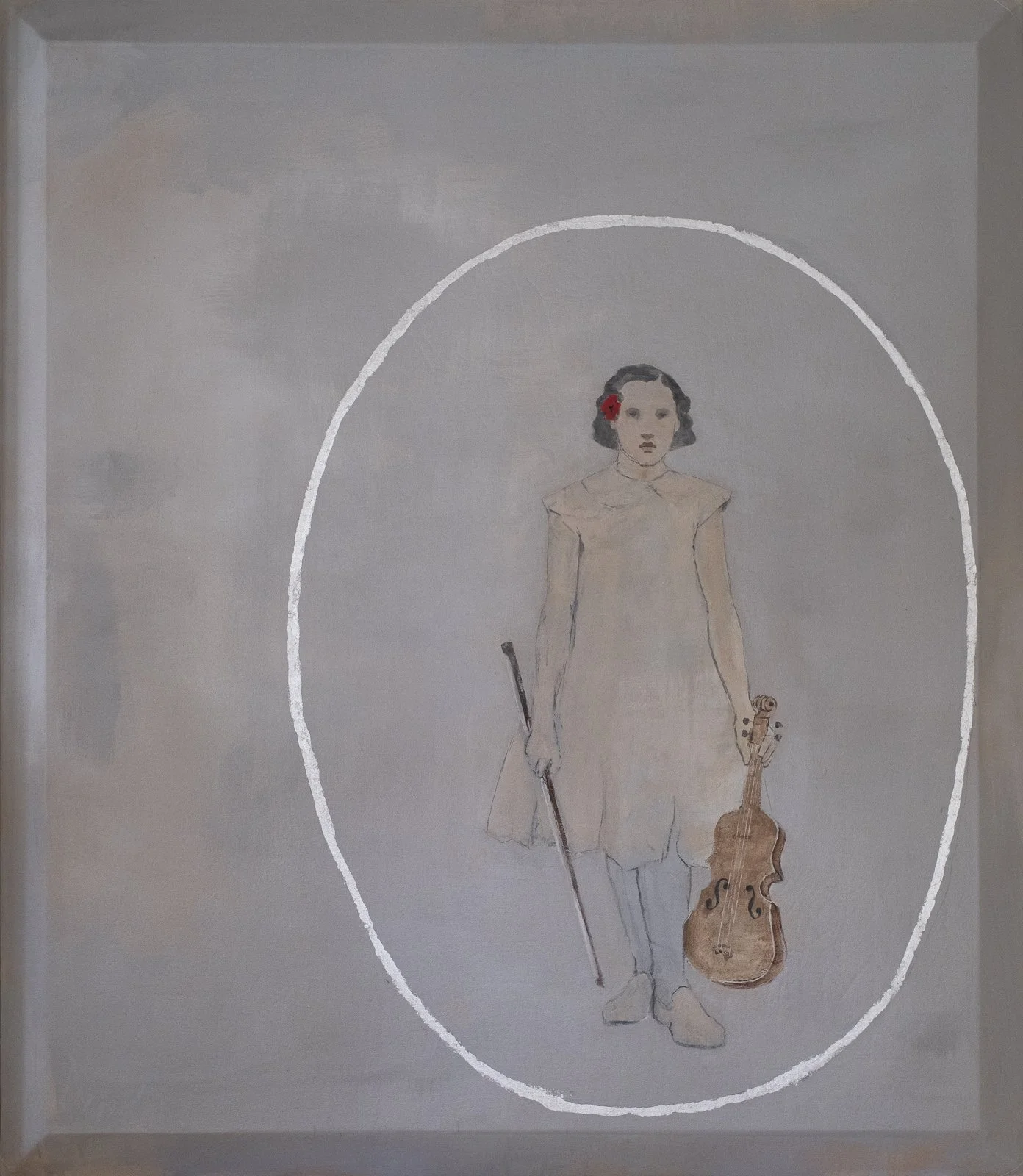
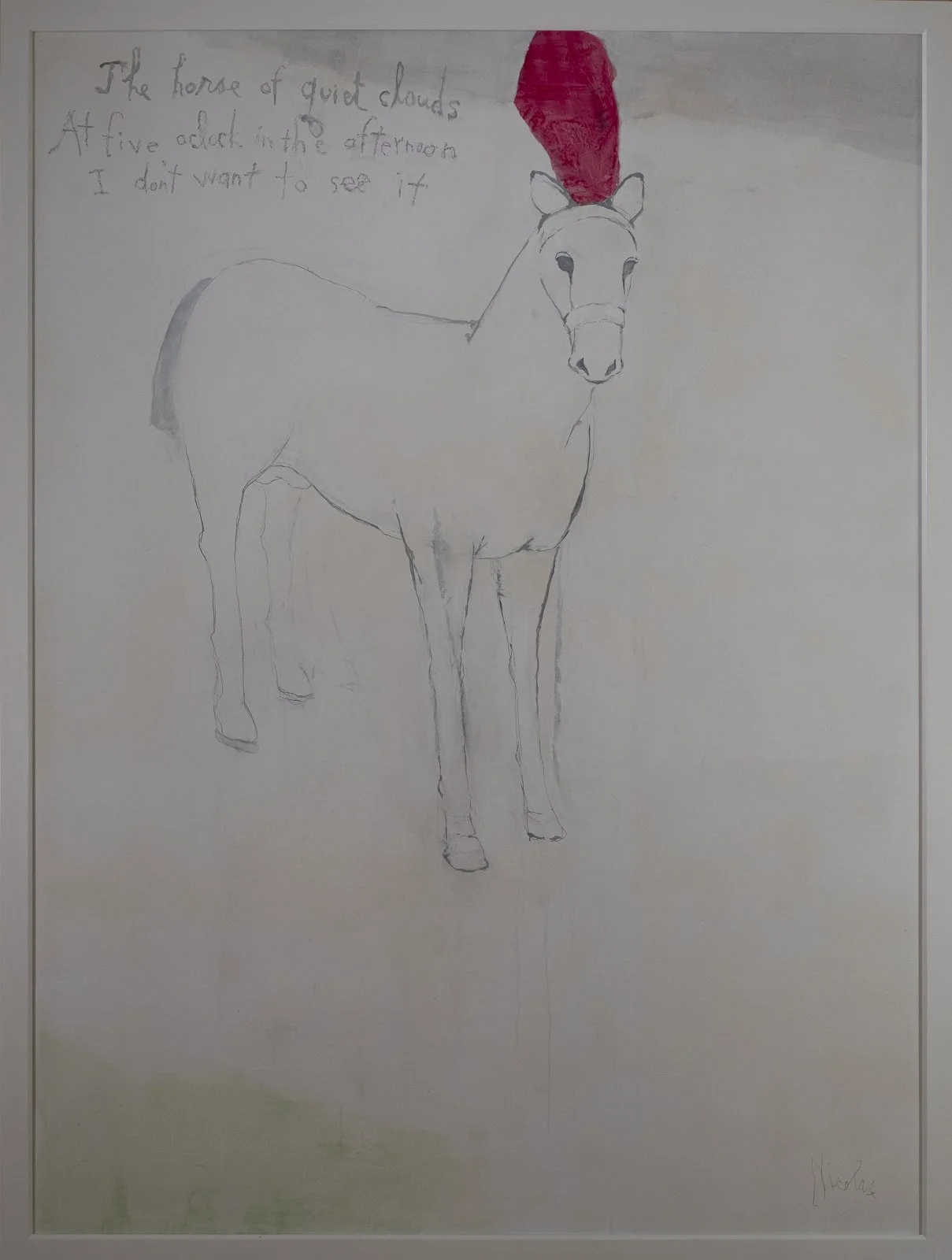
Africano first gained prominence in the 1970s through his association with the transitional movement represented in the Whitney Museum exhibition New Image Painting. His signature large monochrome canvases featured small figures in relief accompanied by fragments of text, creating a theatrical and stylized narrative within an atmosphere of spare, enigmatic simplicity.
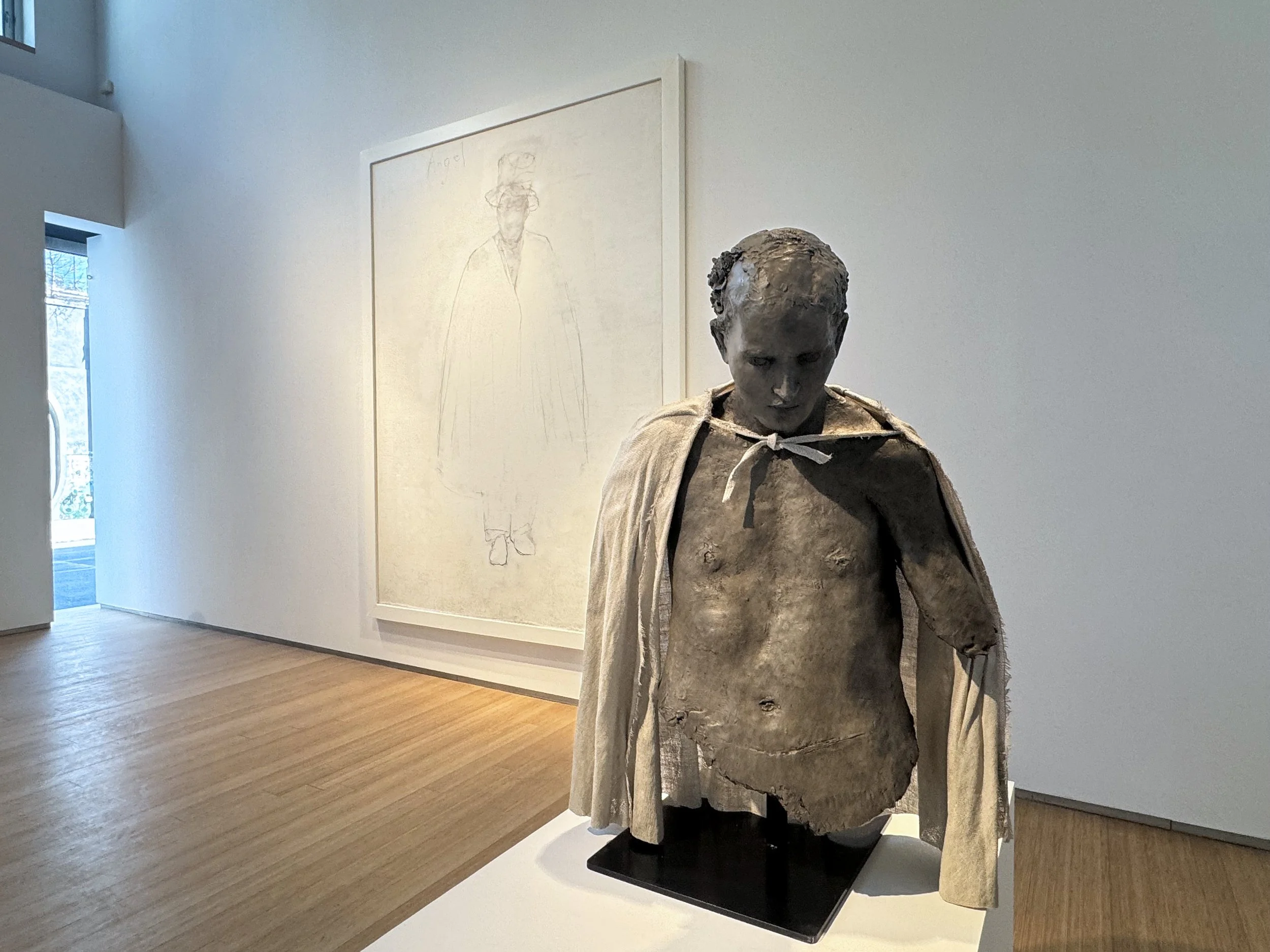
Africano’s work evolved into figurative sculpture, imbued with personal and emotionally suggestive content, influenced by literature, poetry, theatre, music, and other art. His figures— crafted from marble, bronze, and cast glass—convey an unapologetic self-possession and a quietly resolute dissonance.
Africano’s art is held in the permanent collections of numerous institutions, including the Whitney Museum of American Art, the Metropolitan Museum of Art, the Museum of Modern Art, The Art Institute of Chicago , and the de Young Museum.
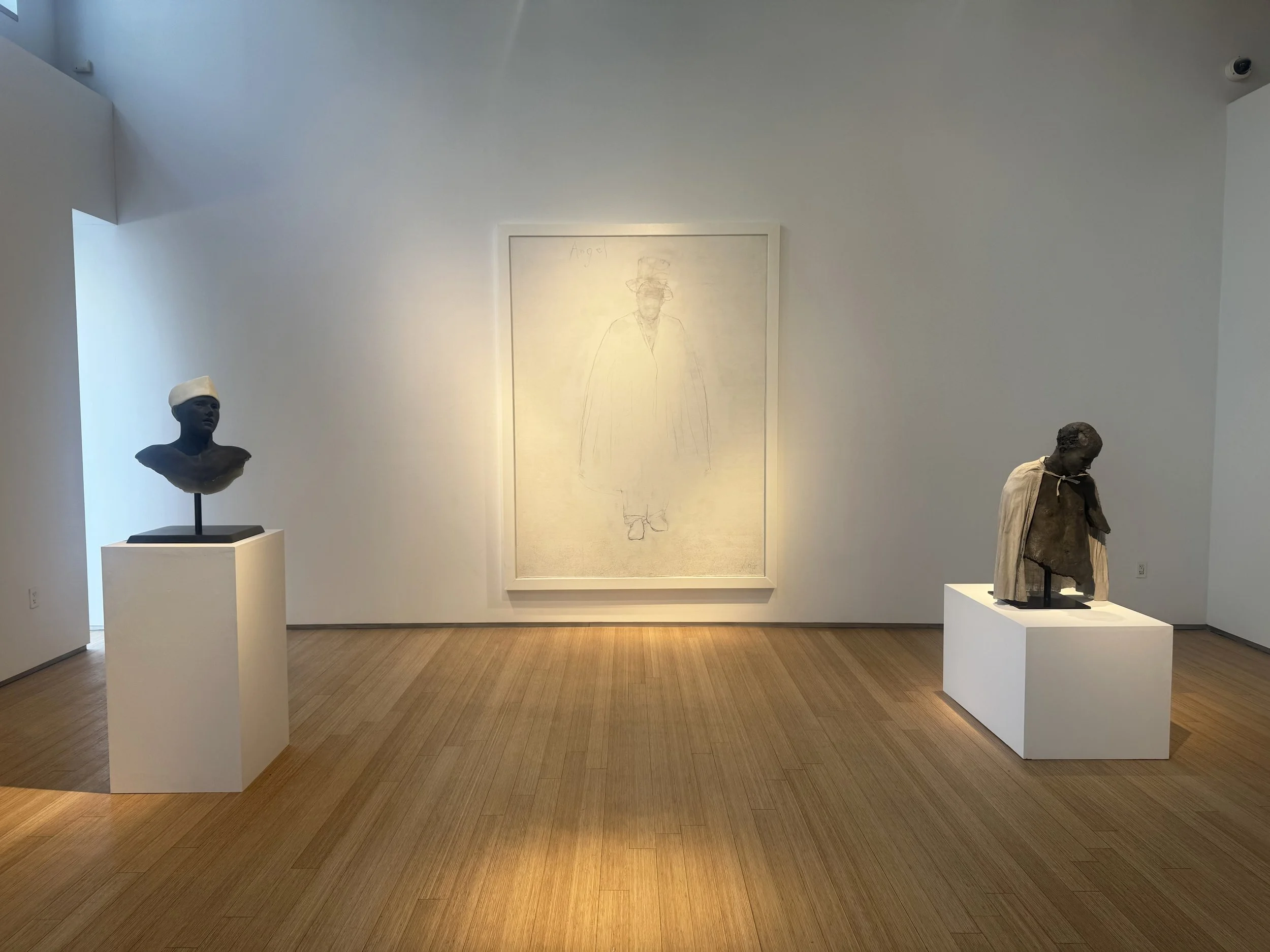
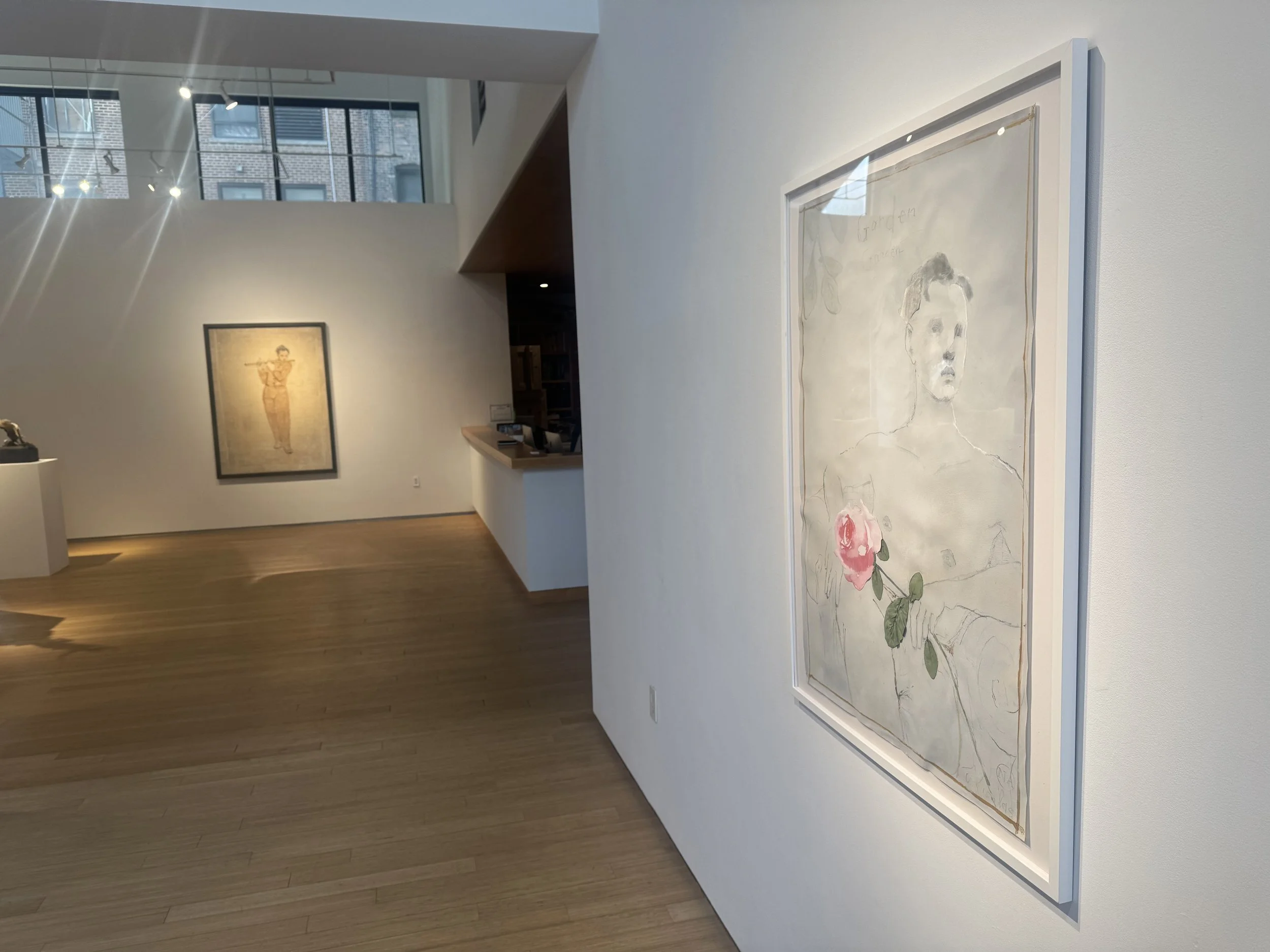
The exhibition will include sculpture in cast glass and bronze, along with paintings and drawings executed in charcoal, oil, crayon, and collage on paper, canvas, cloth, and tapestry. Throughout Africano’s work, uncertainty is embraced as part of the creative process, resolved through the virtue of labor. His pursuit of simplicity often reveals erasures and revisions; these layered accretions produce a paradox of depth and translucency, presence and dissolution.
Angel, an ensemble of painted drawings and sculpture in bronze and cast glass, derives from Africano’s Boy, a fictional memoir recalling youth through fragments shaped by memory, evanescence, and incompleteness.
Ornamental Figures consists of eight cast-glass electroplated sculptures inspired by Daphne from Ovid's’ Metamorphoses. While drawn from a classical source, as are many of Africano’s influences, the work reflects themes of transformation and renewal that remain enduringly relevant.
Similarly, Three Graces, a series of painted tapestries, evokes the irrepressible human desire to create and to continue - even if only through song.
Joys and Sorrows, a group of six drawings, reflects Africano’s use of drawing as a form of epistolary expression—intimate, lyrical renderings of thought and impressions.