JODY GURALNICK
As Close As Breath
September 10 - October 28, 2026
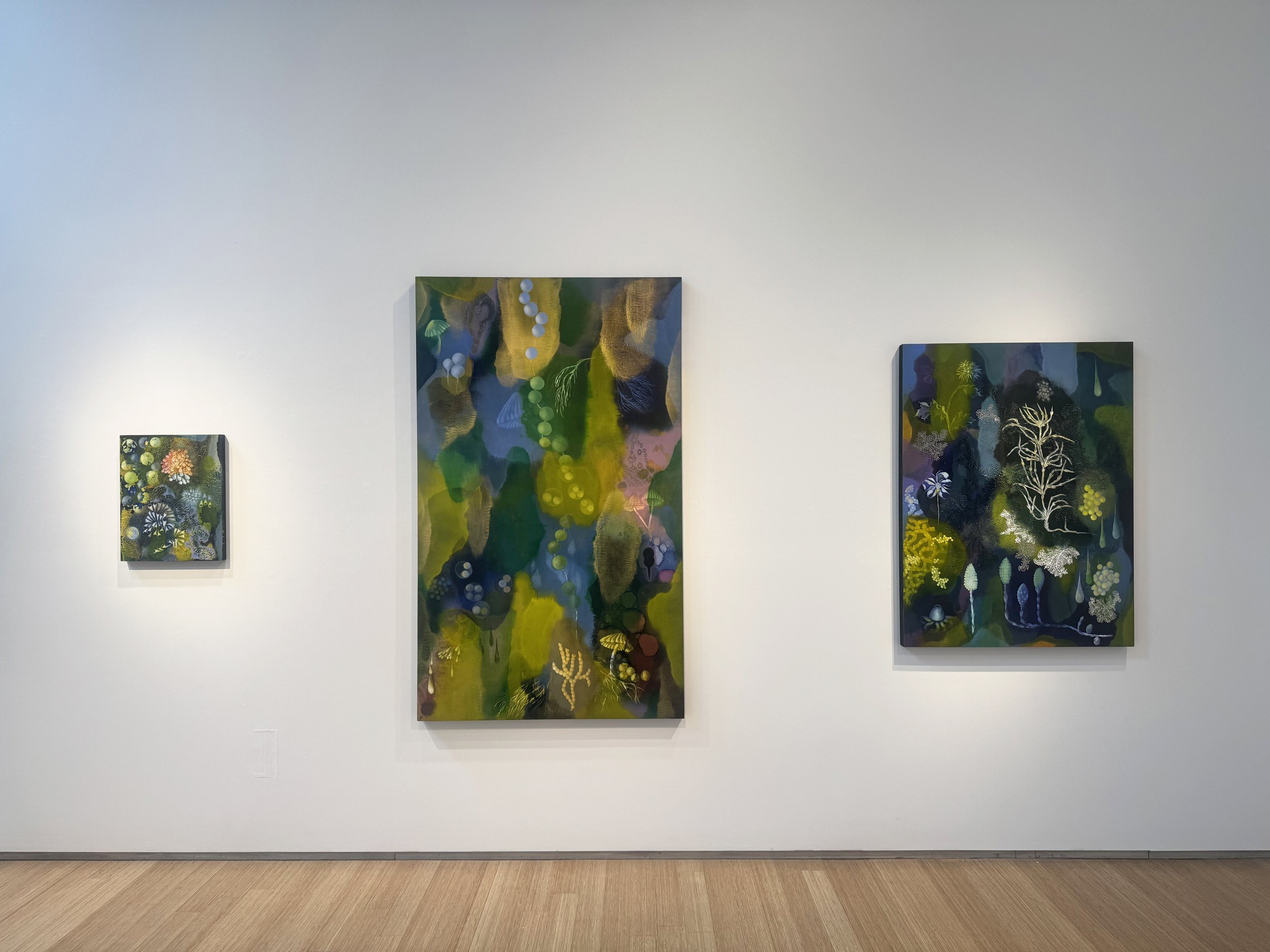
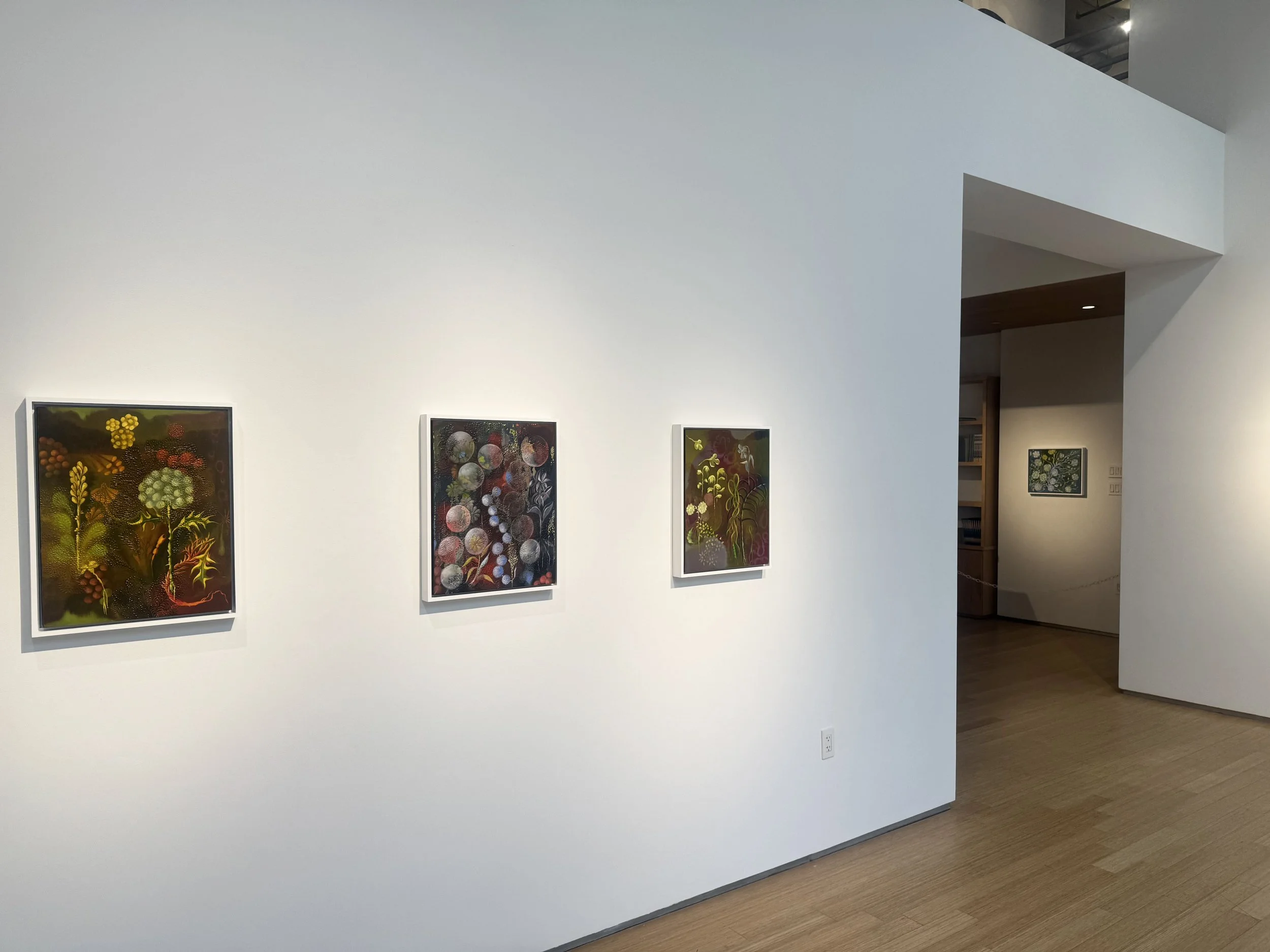
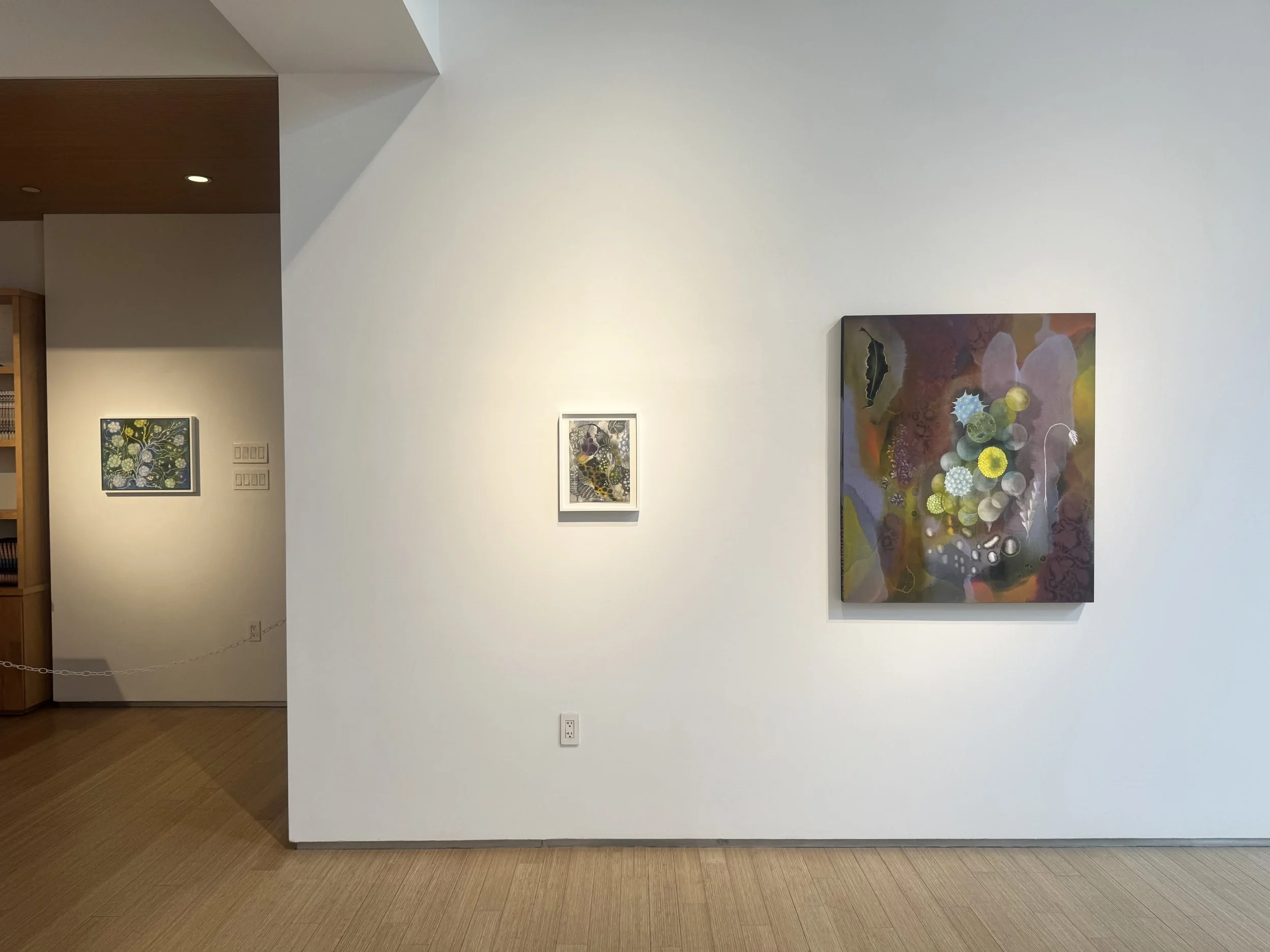
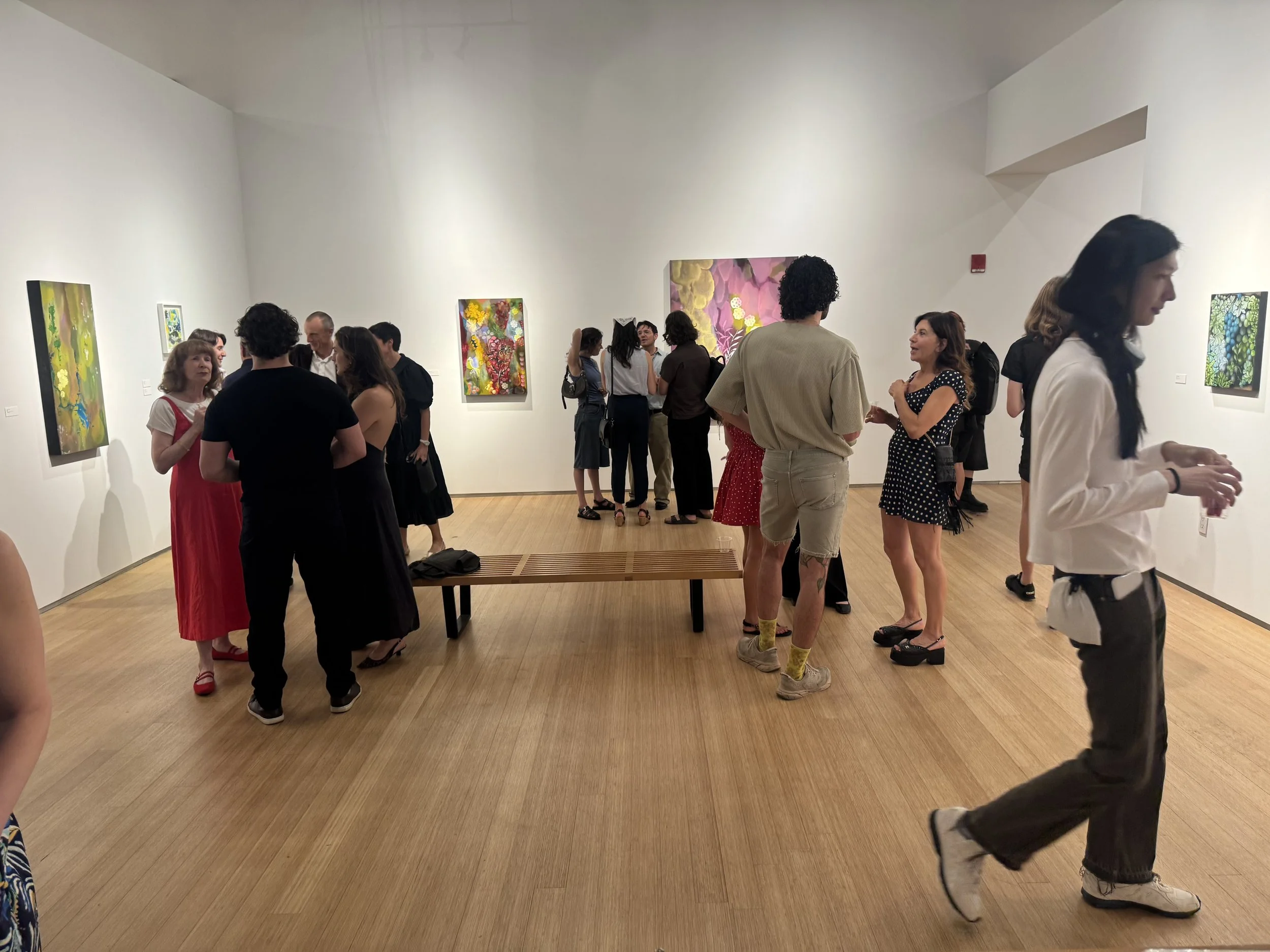





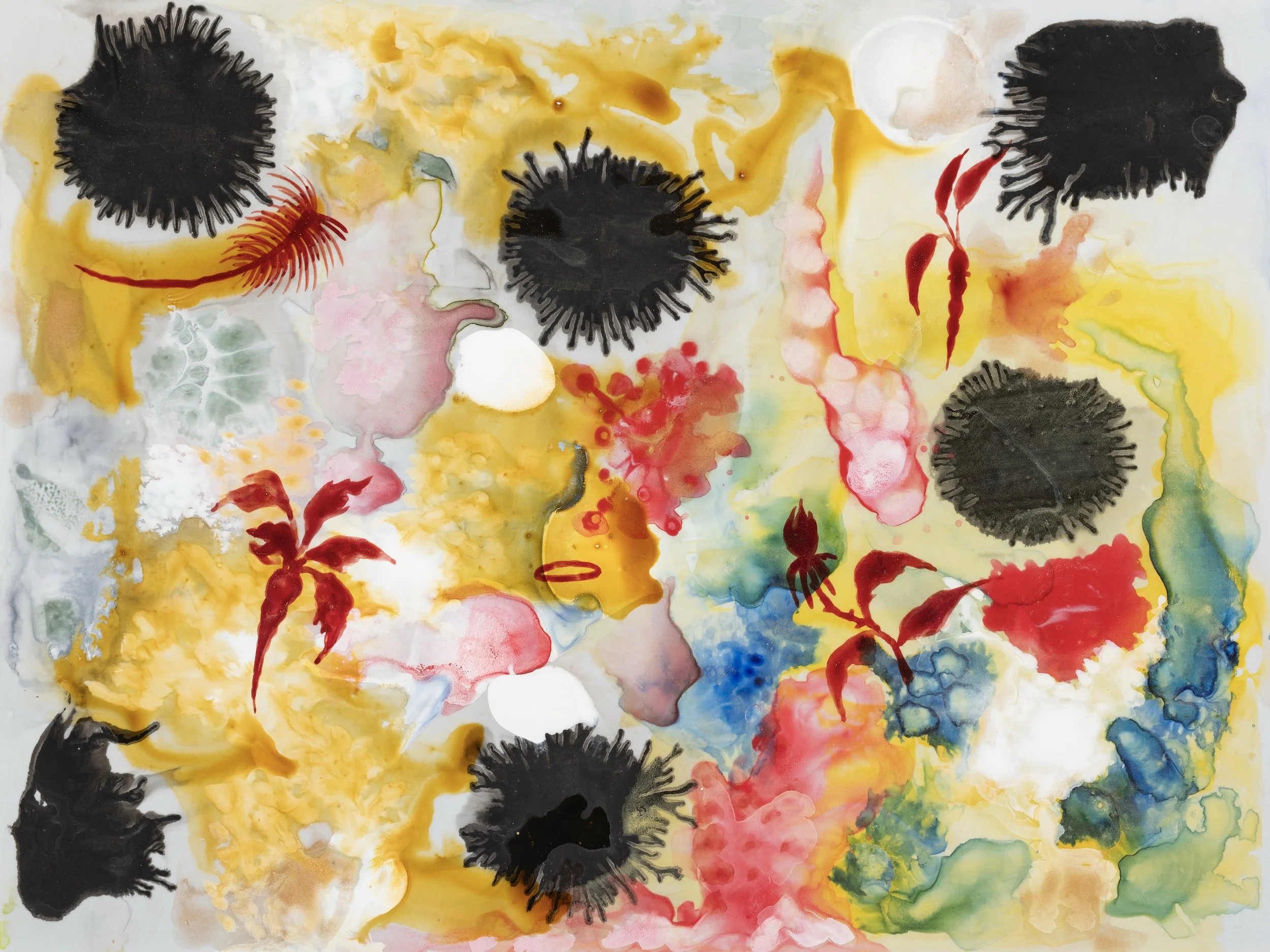
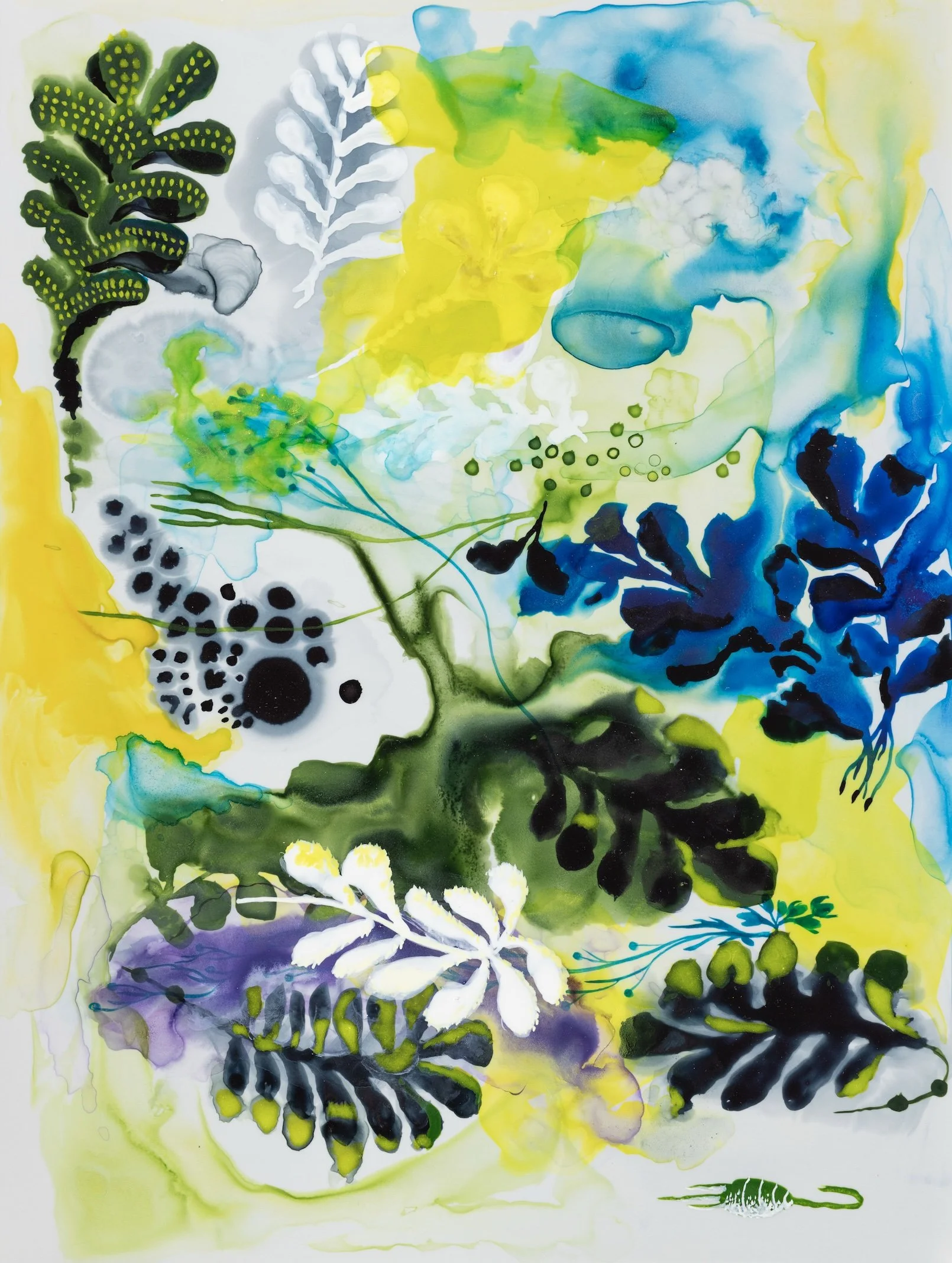
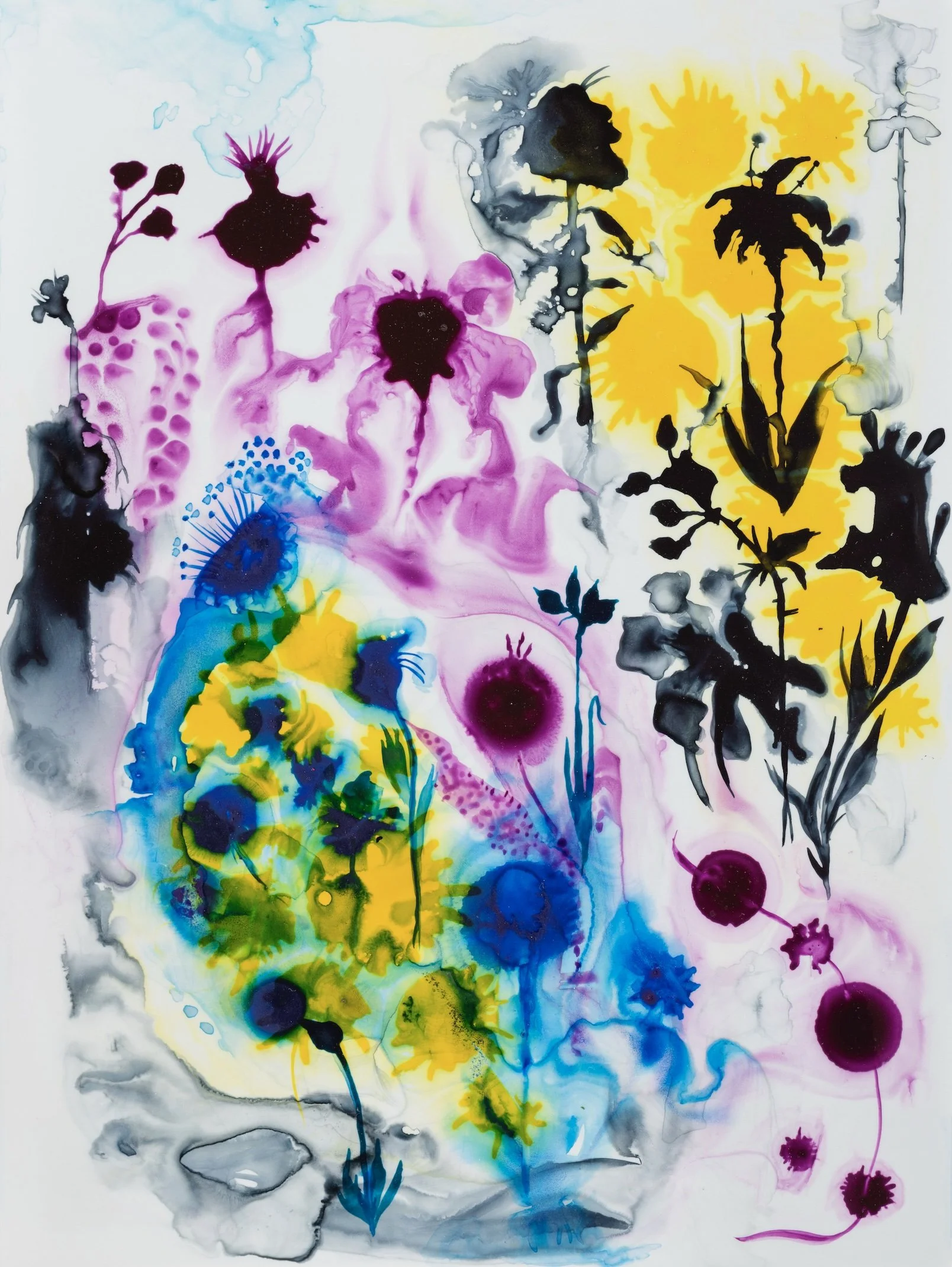
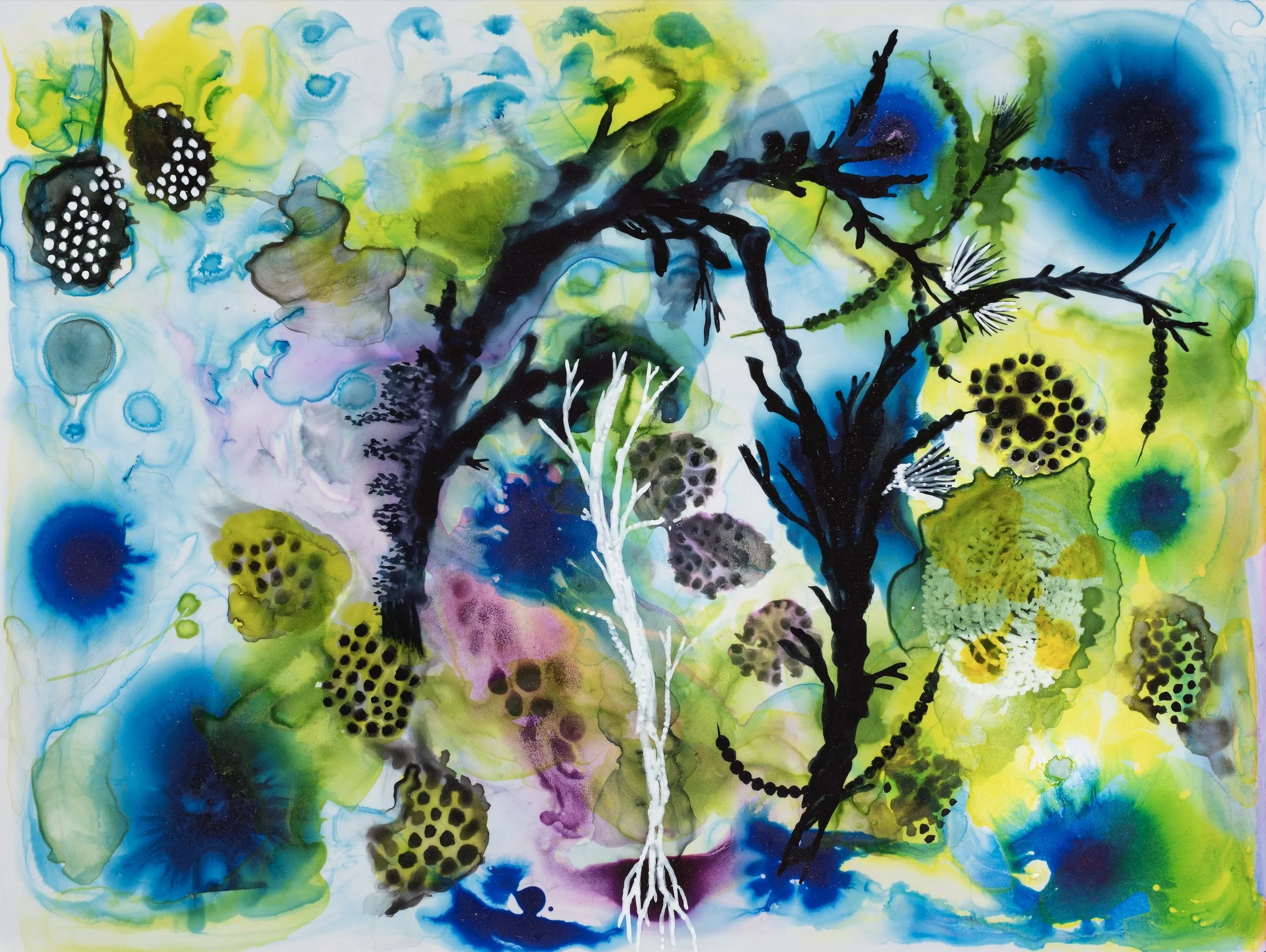
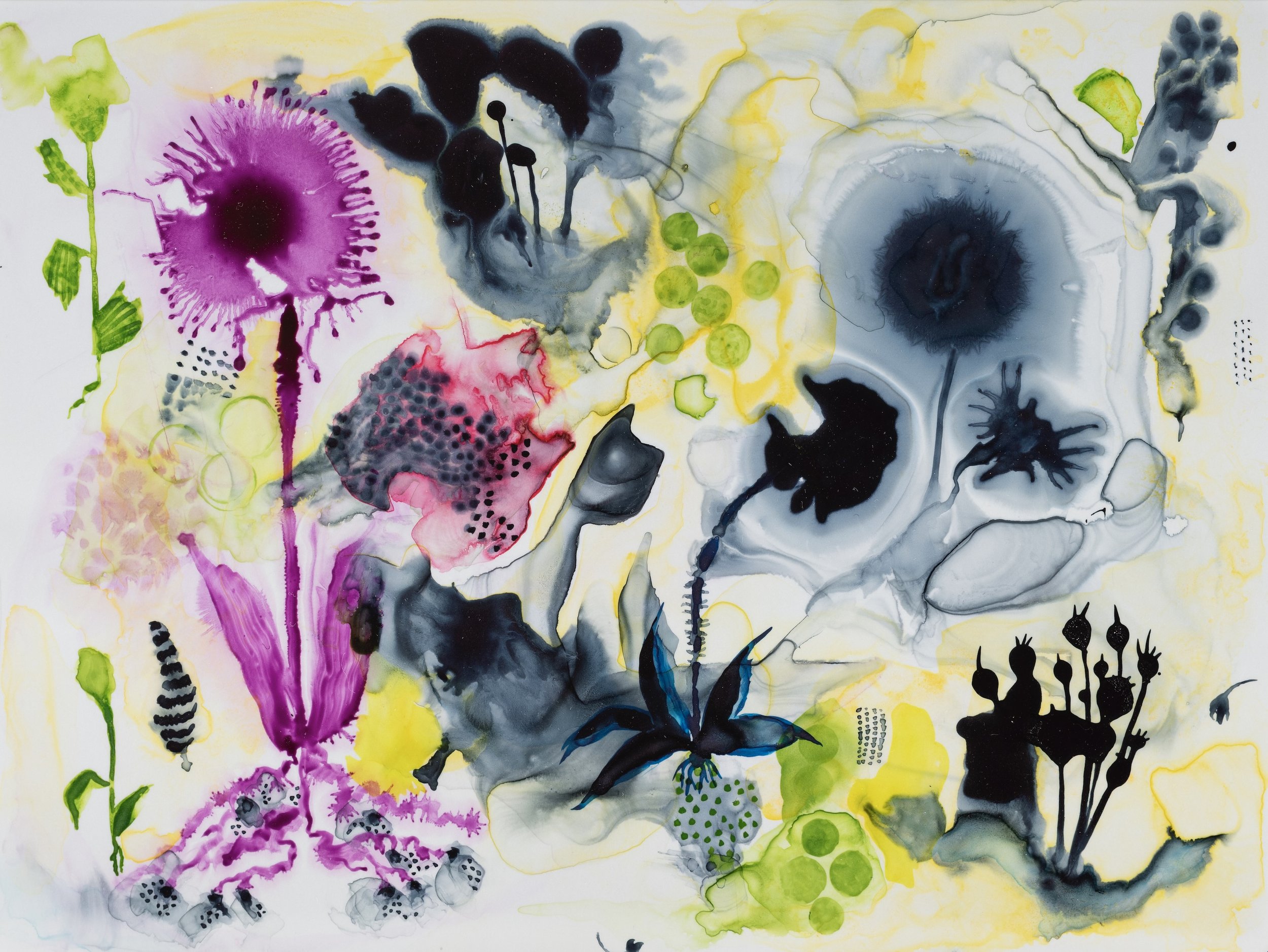


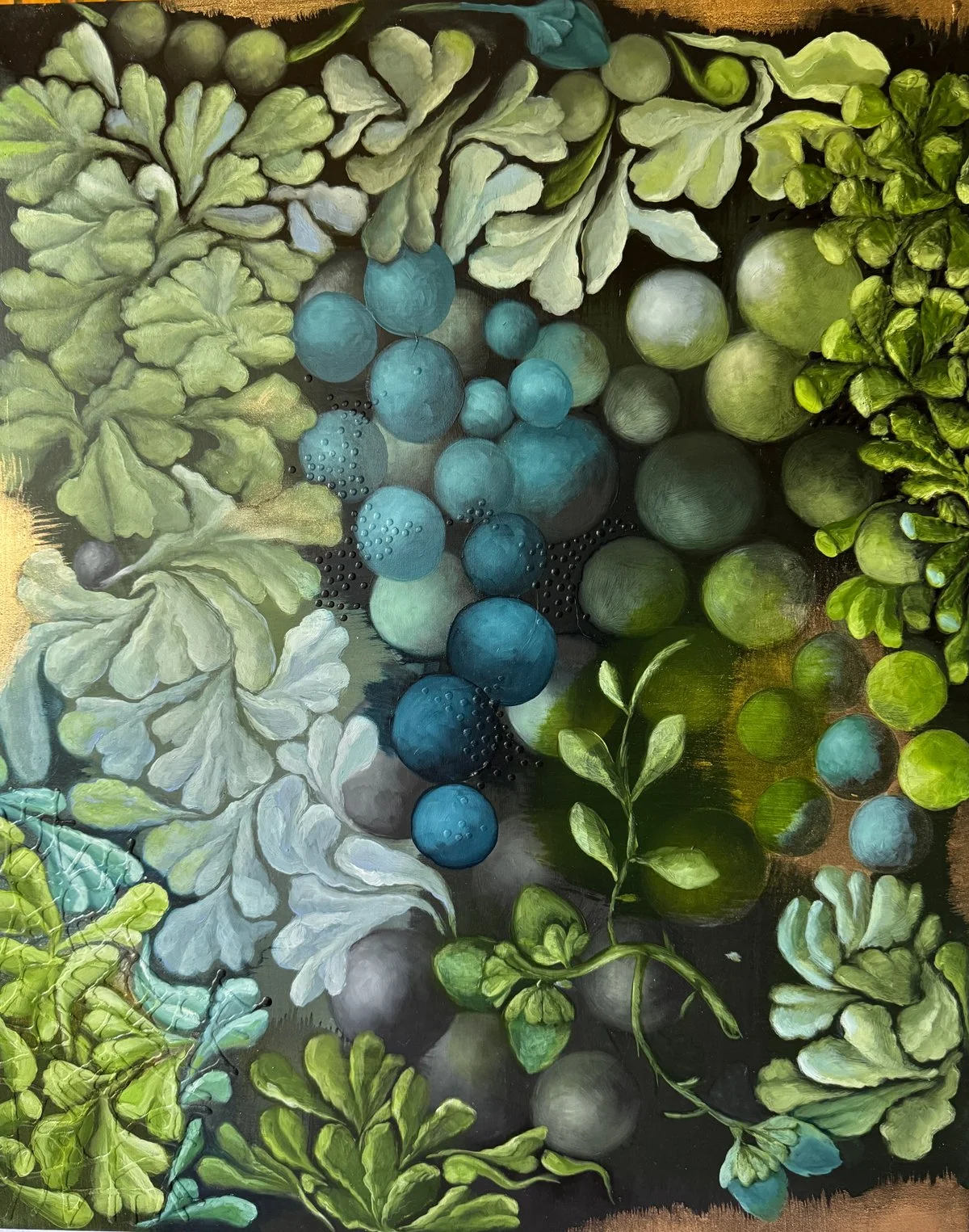
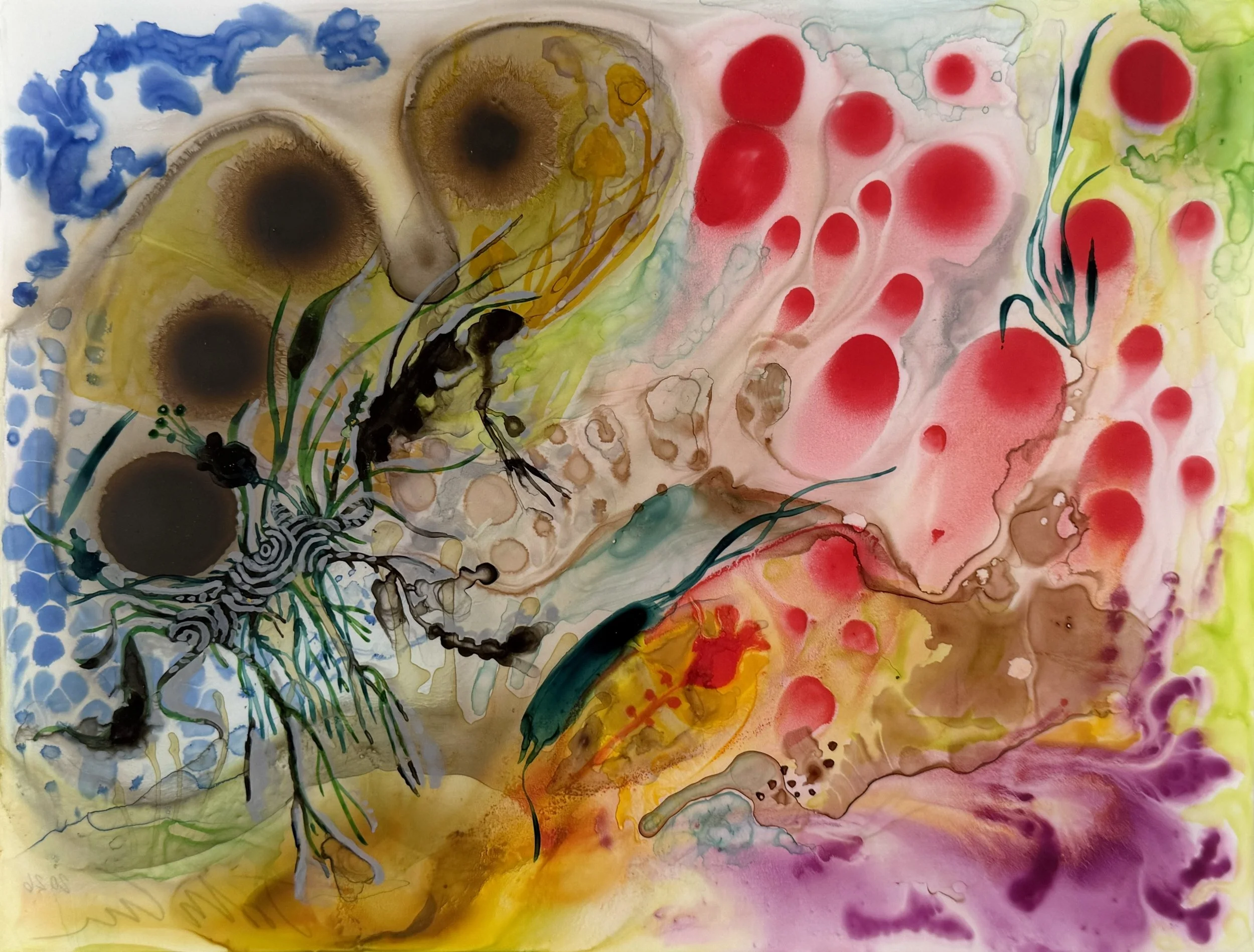
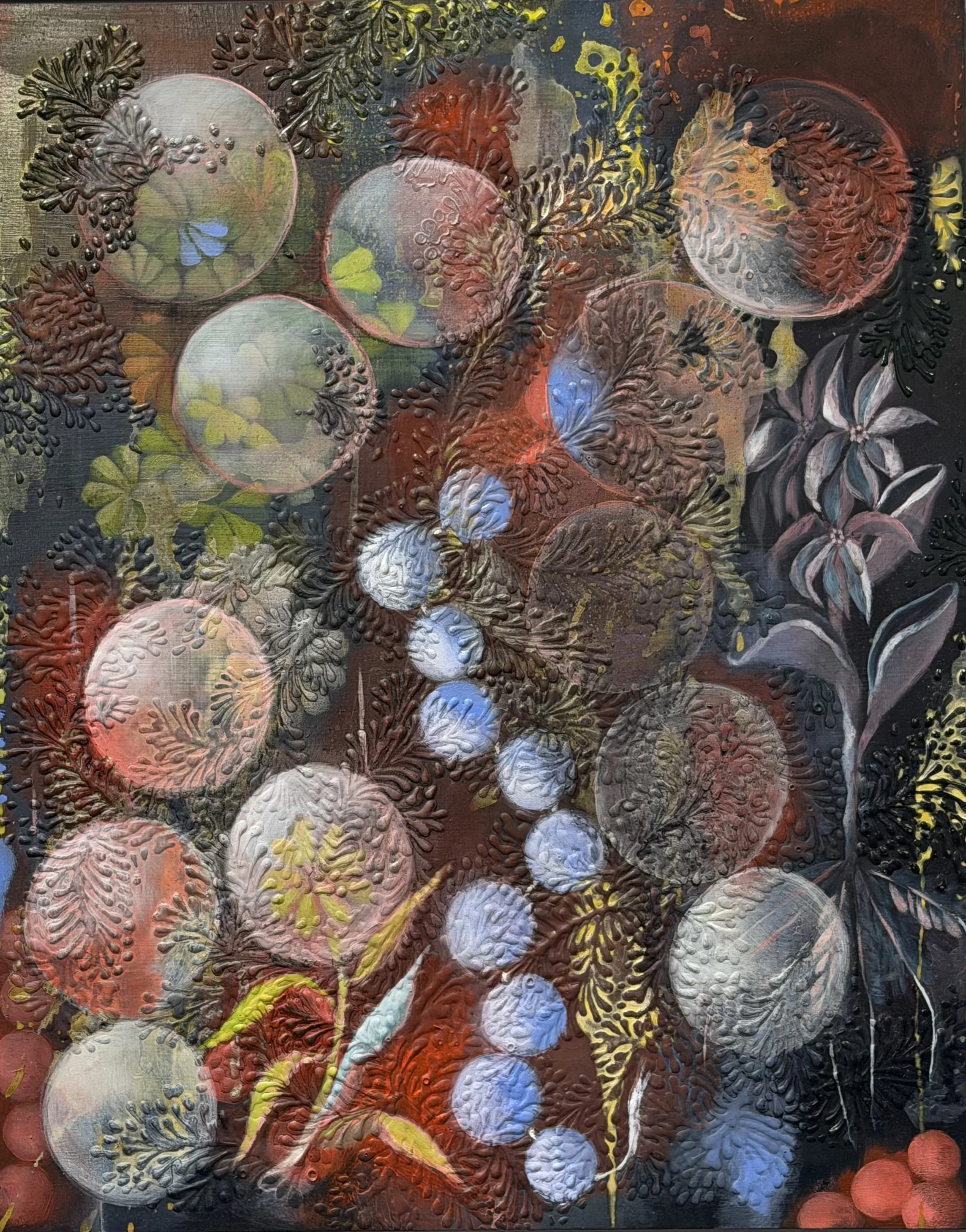

Jody Guralnick: As Close As Breath Q&A
Q: The title of your current exhibition at Nancy Hoffman Gallery is “As Close As Breath”. What does that title mean to you and how did you come up with it?
A: It’s a line I read in a poem, “Prayer” by Marie Howe. When I read it, I felt it summed up my feelings about connection and how I feel in the forest. In particular, I crave that sensation of all being one, something I may understand intellectually but actually have a more visceral knowledge of when I’m immersed in nature. When I look closely, say, at moss through a magnifying loupe I could be studying my own body – in some vaster knowledge way I AM looking at my own body, I have a clarity of belonging, it’s all as close to me as my own breath.
Q: You have mentioned that you make your work using the tools of both science and art, and that climate change is a consideration in your work. Can you explain more about the scientific side of it? Also, how does the work have to do with climate change?
A: I’m very interested in both looking and using the tools of science to understand. If it’s a seed head that I paint, I’ve seen it, I’ve looked it up in the most old fashioned way – in books! I’ve tried to name it from Linnaeus’s system of classification, I’ve read what I can about that plant, I’ve handled and perhaps taken the plant apart to learn more.
I like to place what I know within the systems of human thought, I love knowing relationships – this flower that looks nothing like a common rose, for example, bears the Latin name for rose, so I feel urged to look closer and see why it is classified that way, 5 petals and multiple stamens, for example, or whatever the salient features of that plant family are. Then I have a sense that I’m walking amongst families, I can say to that plant: I know your first cousin!
And I’m very aware of changes happening amongst these same plants – I can see in front of me how climate change is showing up visibly – in Colorado a drought that we’re going through this year meant that delicate, high-altitude plants that normally bloom in August were bloomed and spent by July this summer. That presents issues for all the migratory birds, for example, that may eat them, or insects that live on them, they are simply all showing up now out of sync.
So, I want to show people without being too didactic, here is all this beauty that we live with, see it while you can, it’s threatened, we need to protect it, or all this may vanish and our world will be so much less rich for the loss. Observation breeds caring, I think. You can’t long to protect what you haven’t even noticed.
Q: Have you been involved with climate activism, in any aspect of your art or life?
A: I am on the board of a nature center with a teaching mission in Aspen: Aspen Center for Environmental Studies (ACES), and I volunteer and teach for the Forest Conservancy, a group that works with the Forest Service in outreach. So, my activism is at a small intimate scale but hopefully I can reach people through teaching as well as through showing my paintings and letting people have a glimpse into this often overlooked world of dazzling beauty that is literally at their feet and so often unnoticed.
Q: You have conducted educational tours in the Rocky Mountains and taught at Anderson Ranch in Aspen. Can you talk more about your work in education?
A: I am a volunteer ‘ranger,’ uniformed! So, when I’m hiking I can engage with people on the trail and hopefully discuss and point out some aspect of the land they are walking through that they may not have seen themselves.
Once you learn something about the land, you don’t ever unknow it, and once you learn, I believe you will want to care for it. I want to help people have a sense of intimacy with the land, once you really SEE it all you will want to protect it.
Teaching painting at Anderson Ranch is really clarifying for my own work because I am forced to articulate that quiet dialog that all artists have going on in their brain. I start my class with a small walk in as remote a landscape as we can get to easily, and I ask everyone to look closely. I ask them to take back what they saw and work from their mind’s eye – it’s a way of making these parts of nature truly your worn, and showing people how to identify with the landscape and with plants and trees etc. – to feel less like there is an ‘other.’
Q: You were born in Boston, MA, and studied at the School of the Museum of Fine Arts. Can you share your memories of Boston and how your earlier years there informed your practice and interests?
A: Boston and Cambridge are such beautiful cities with a lot of relationship to land and water. The Charles river runs through the middle of it all. I only went to the Museum School for one year, but it was so wonderful to be with other artists that first year, and when I went on to study at St. Martins I loved my peer group there as well. I think a lot of an art education is just learning to talk to other artists – it feels so liberating to be among people who love and are obsessed by the same things. London was accessible and a fabulous playground for the art students, I spent a lot of time wandering and looking there – not at nature but just endlessly walking through the streets of that sprawling city, very enchanted by it.
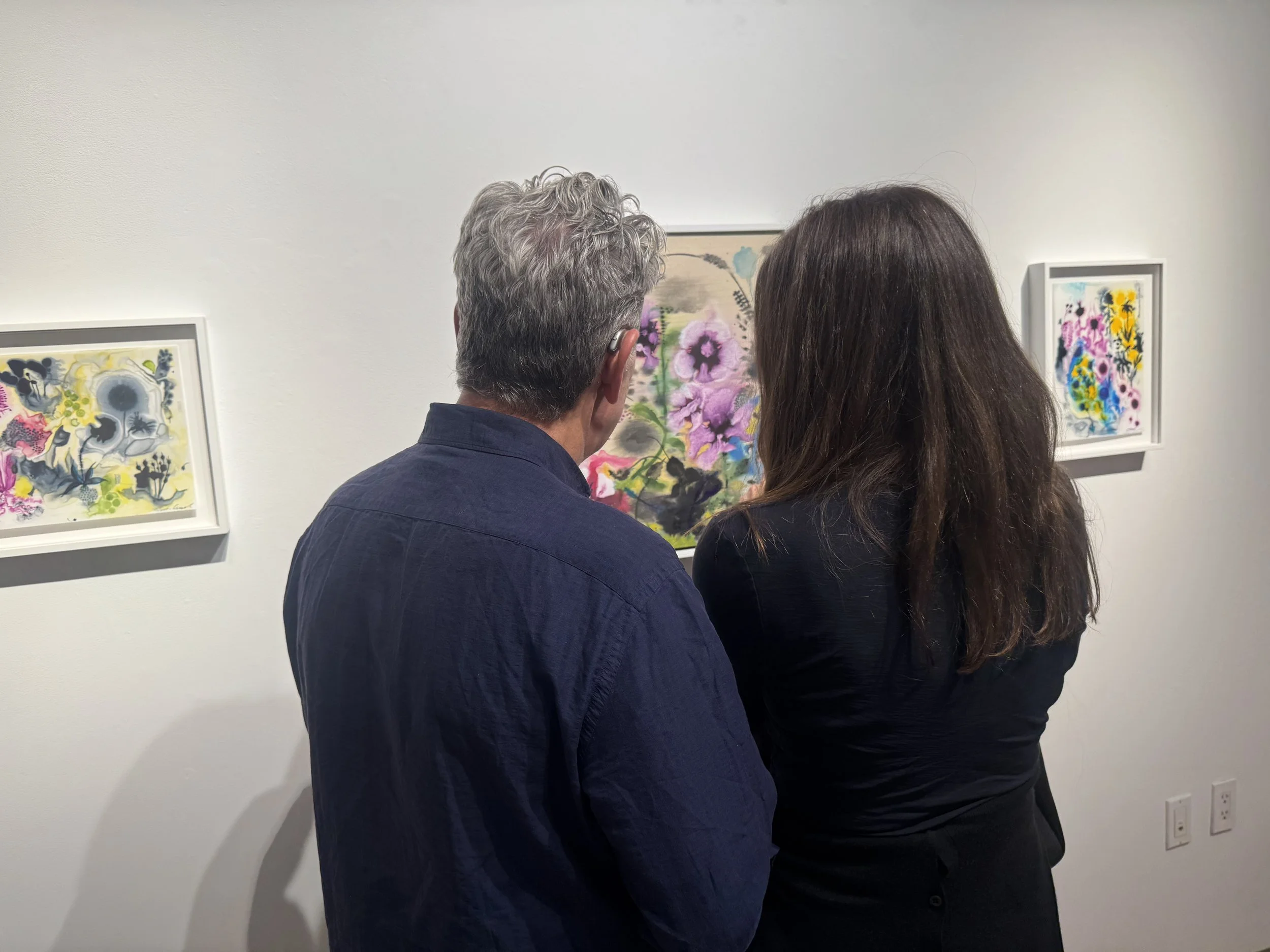
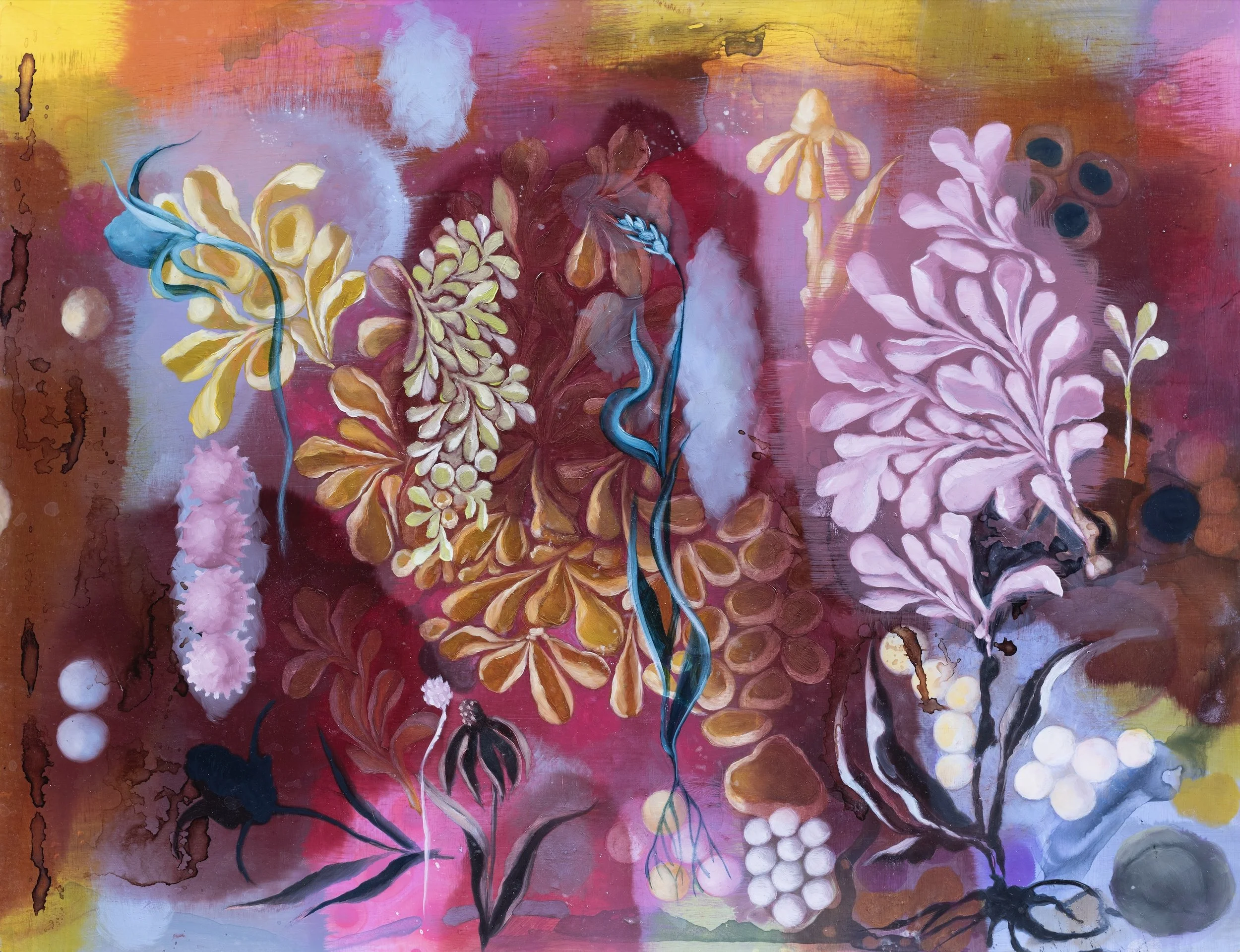
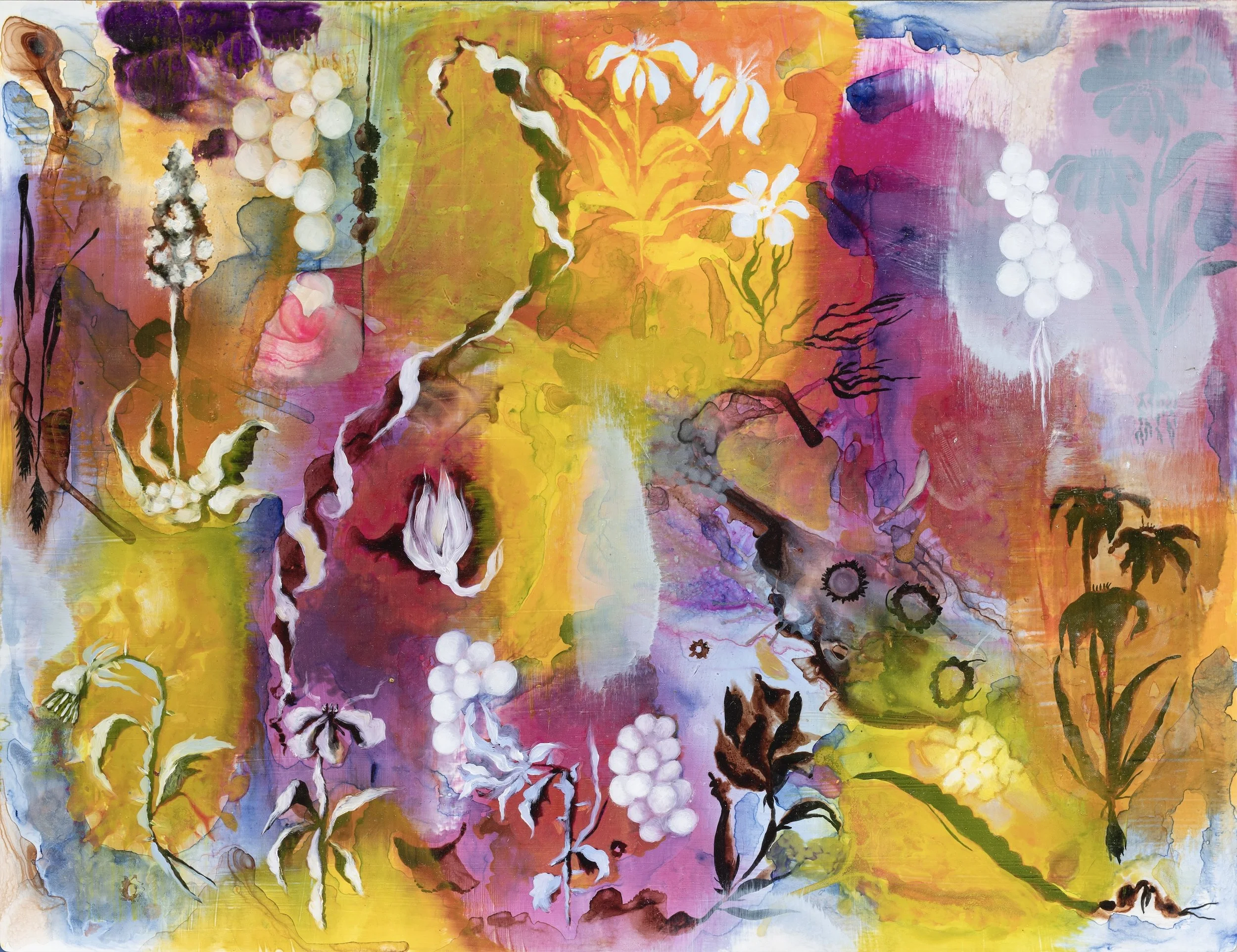
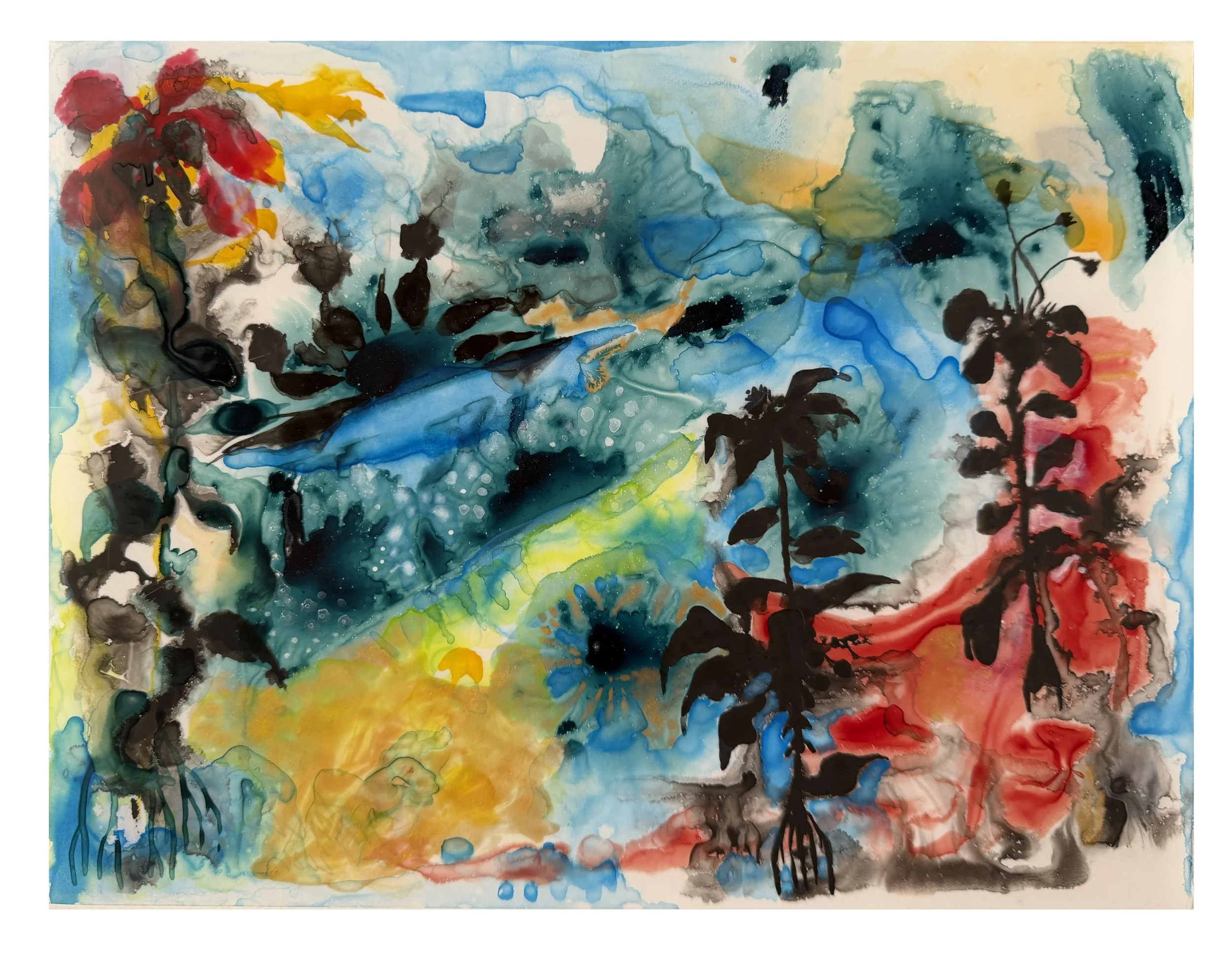
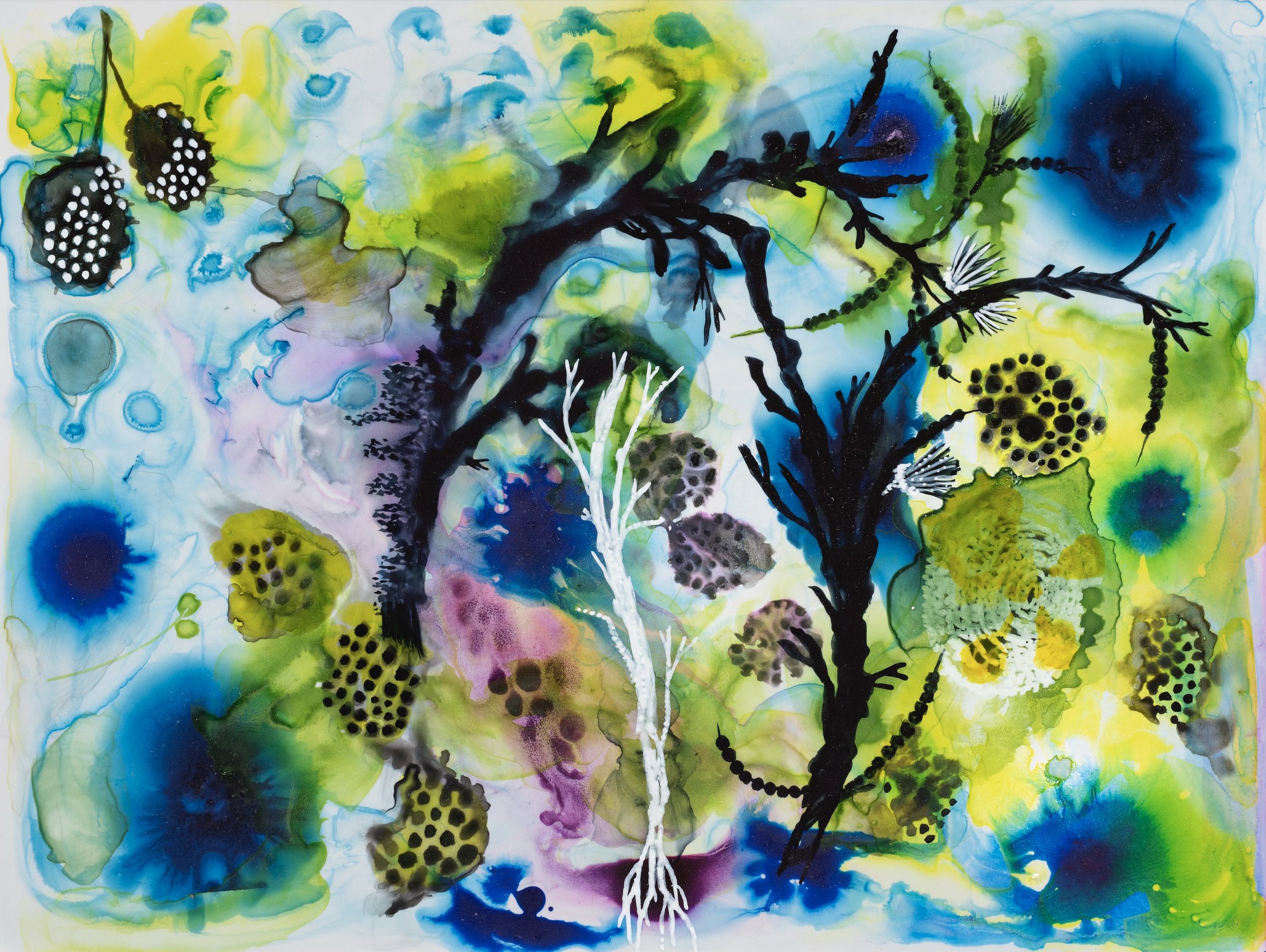
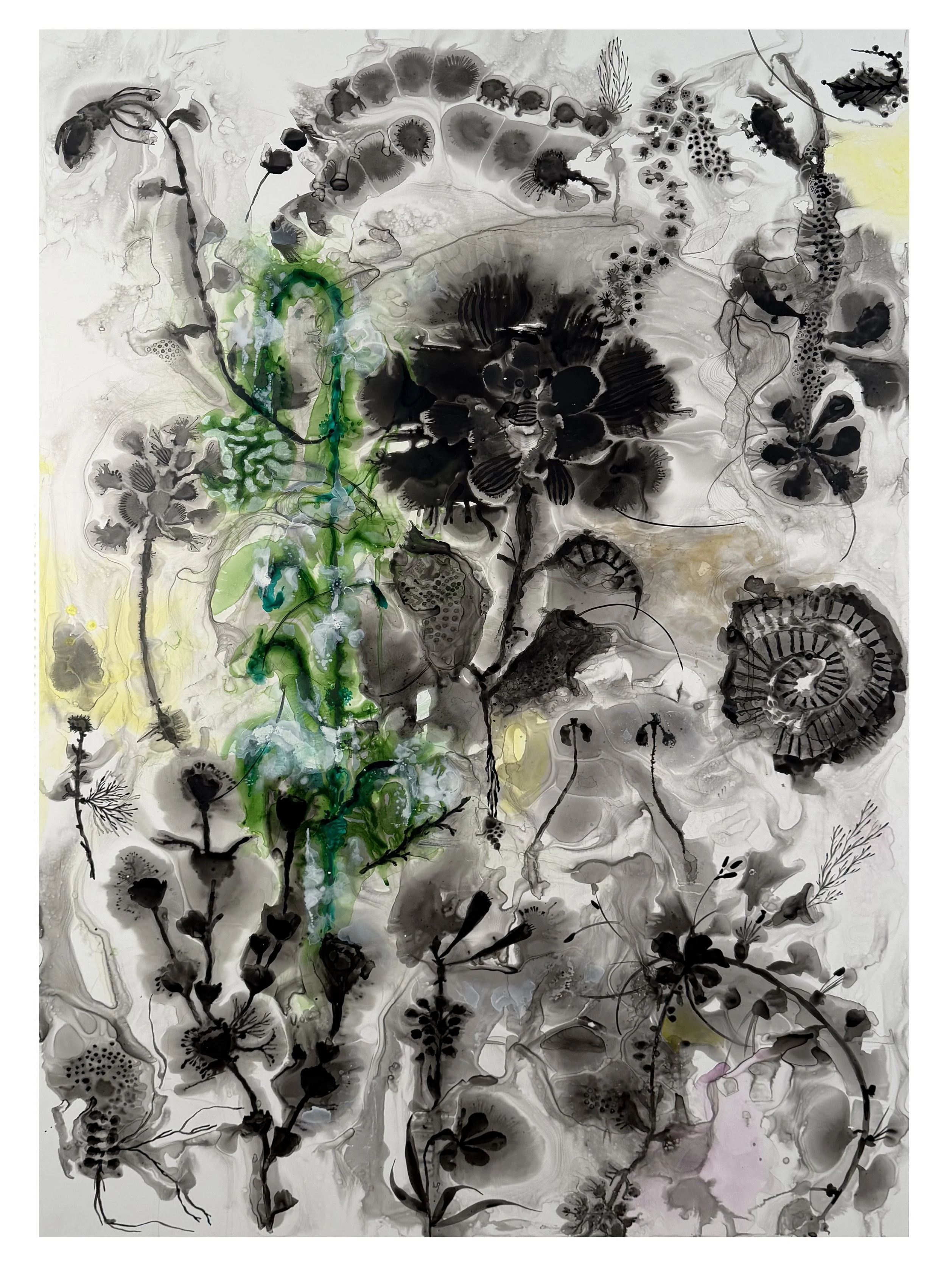
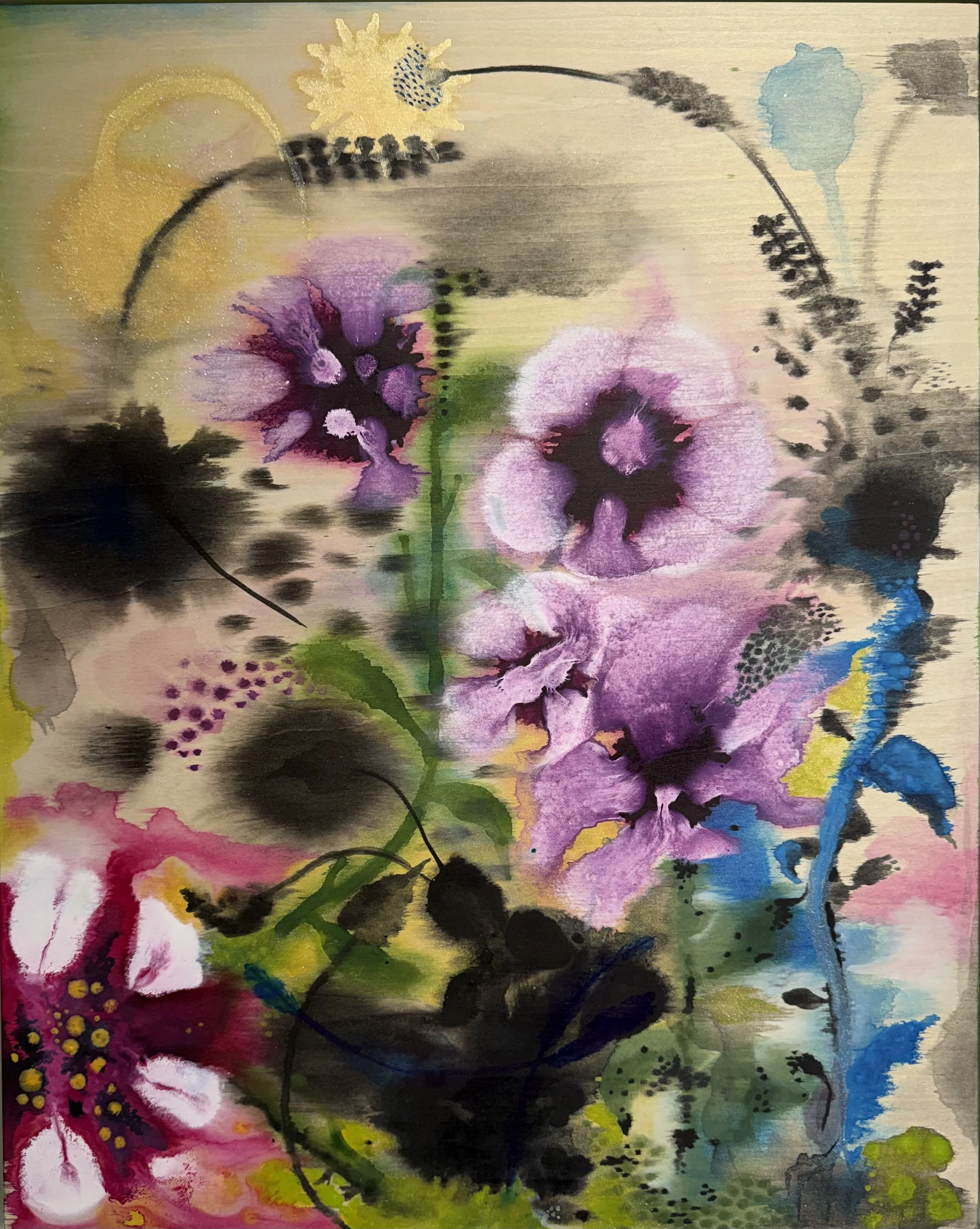
Q: There are new works in the Nancy Hoffman Gallery exhibition which are watercolors on Yupo, among other materials that are a departure from your earlier oil and acrylic on wood panel paintings. What inspired this new direction?
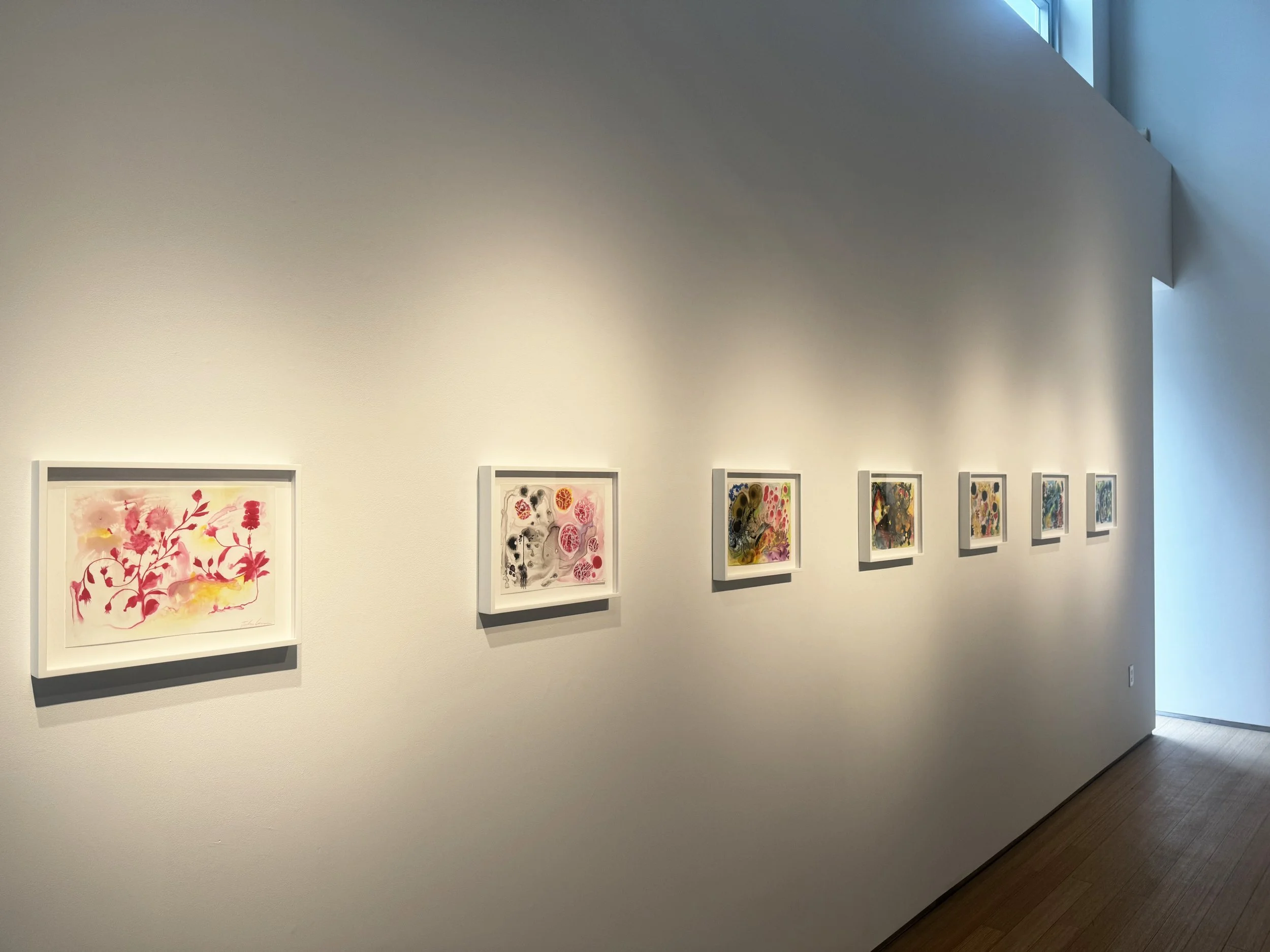
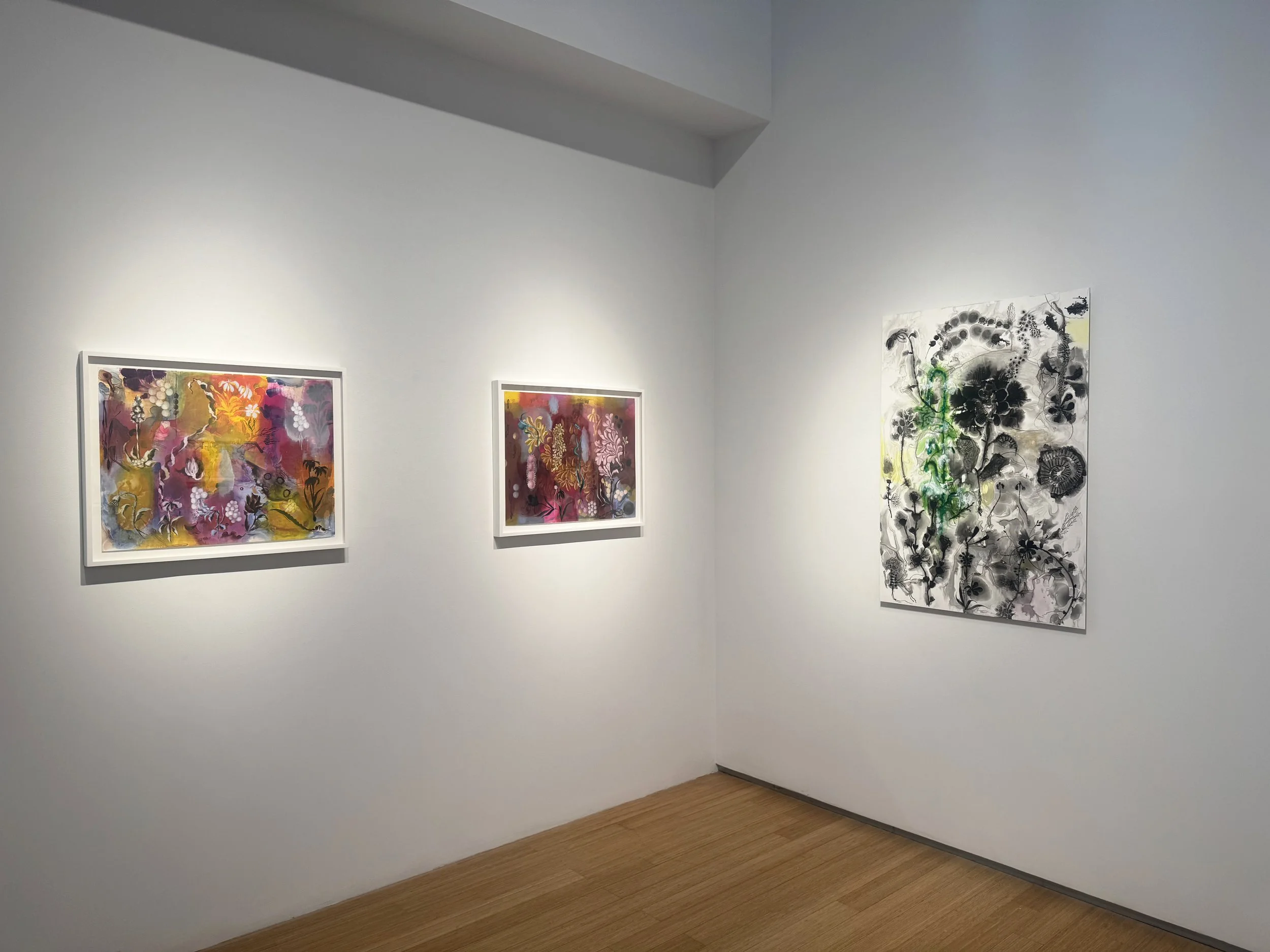
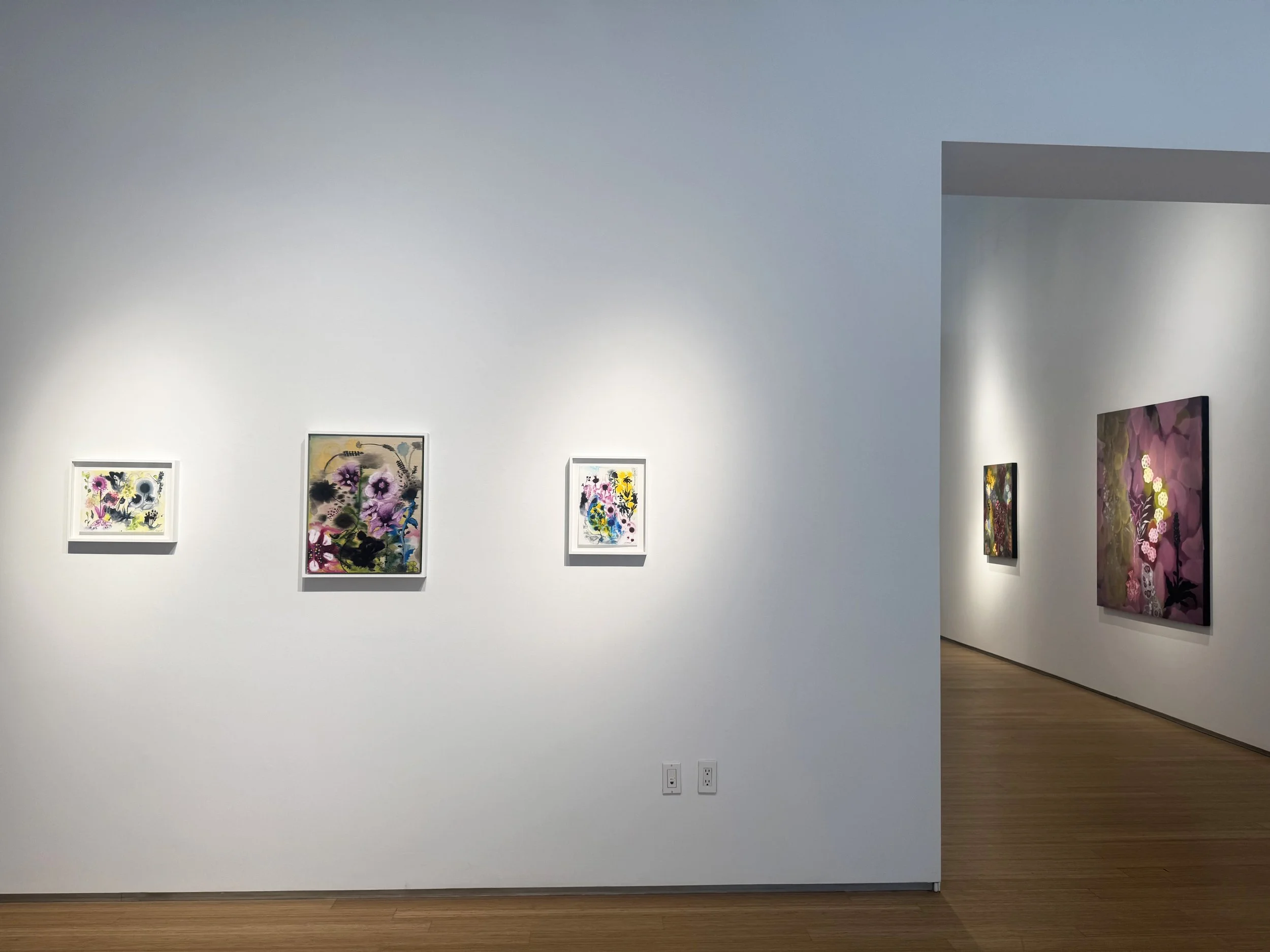
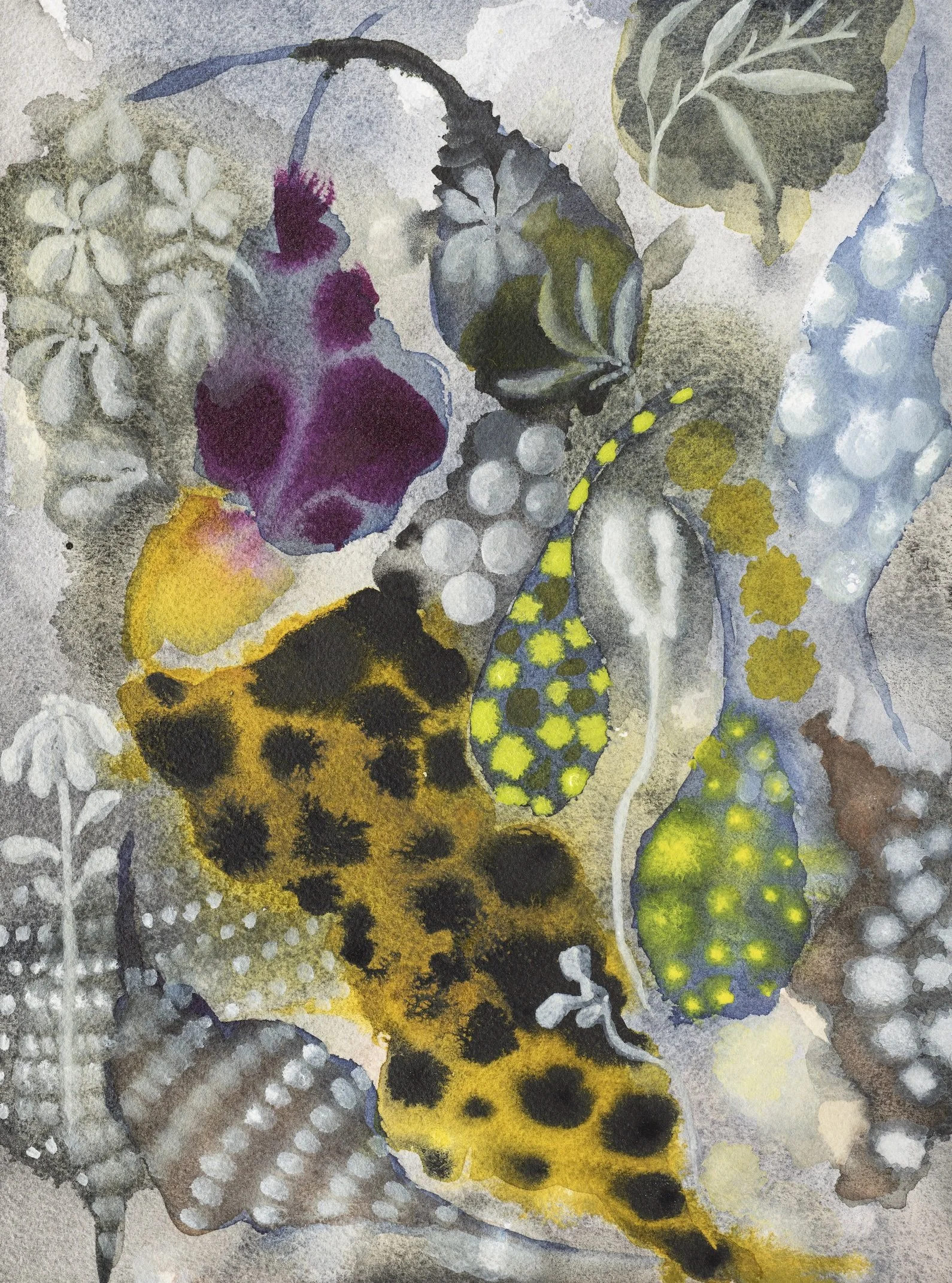
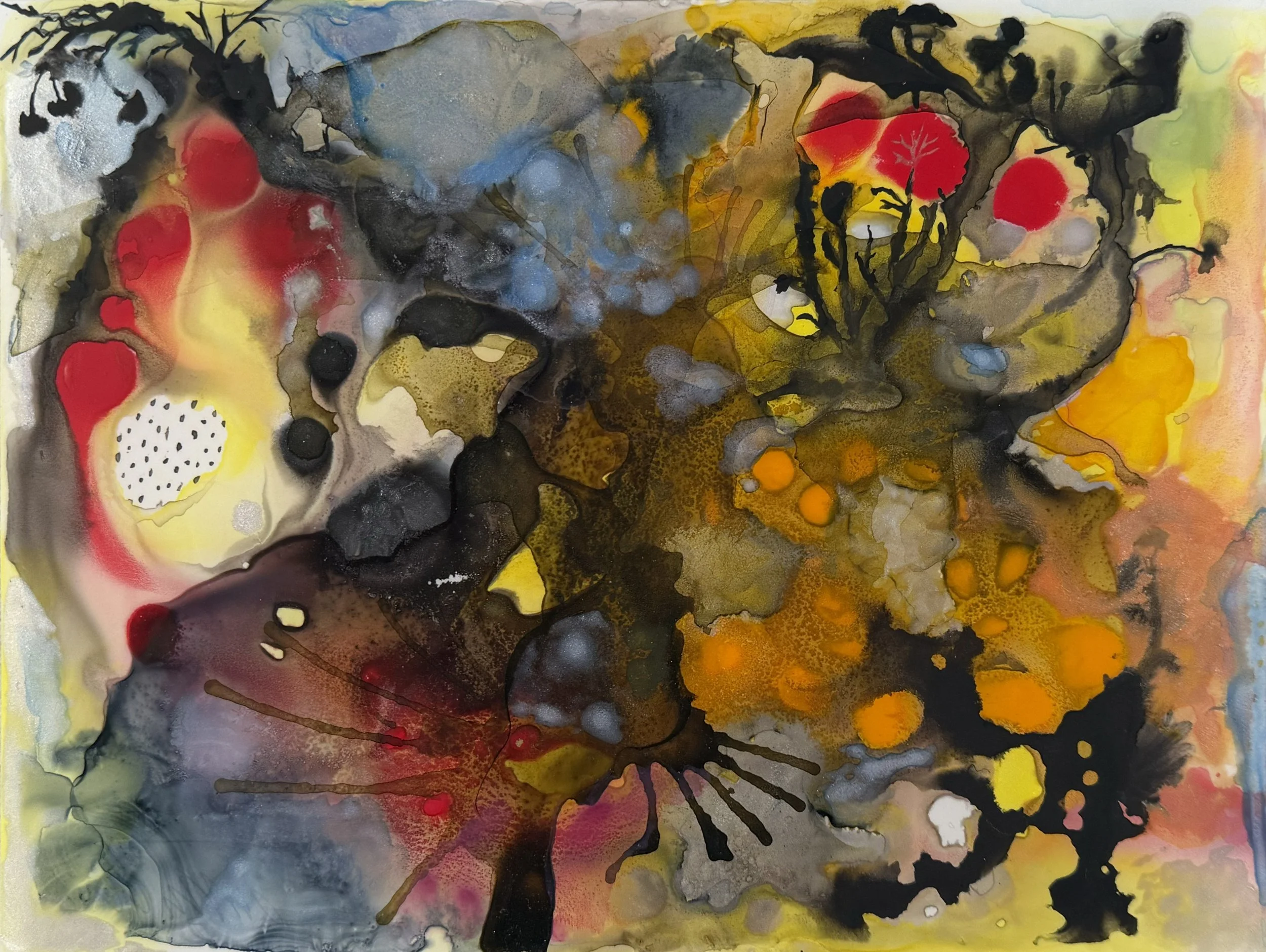
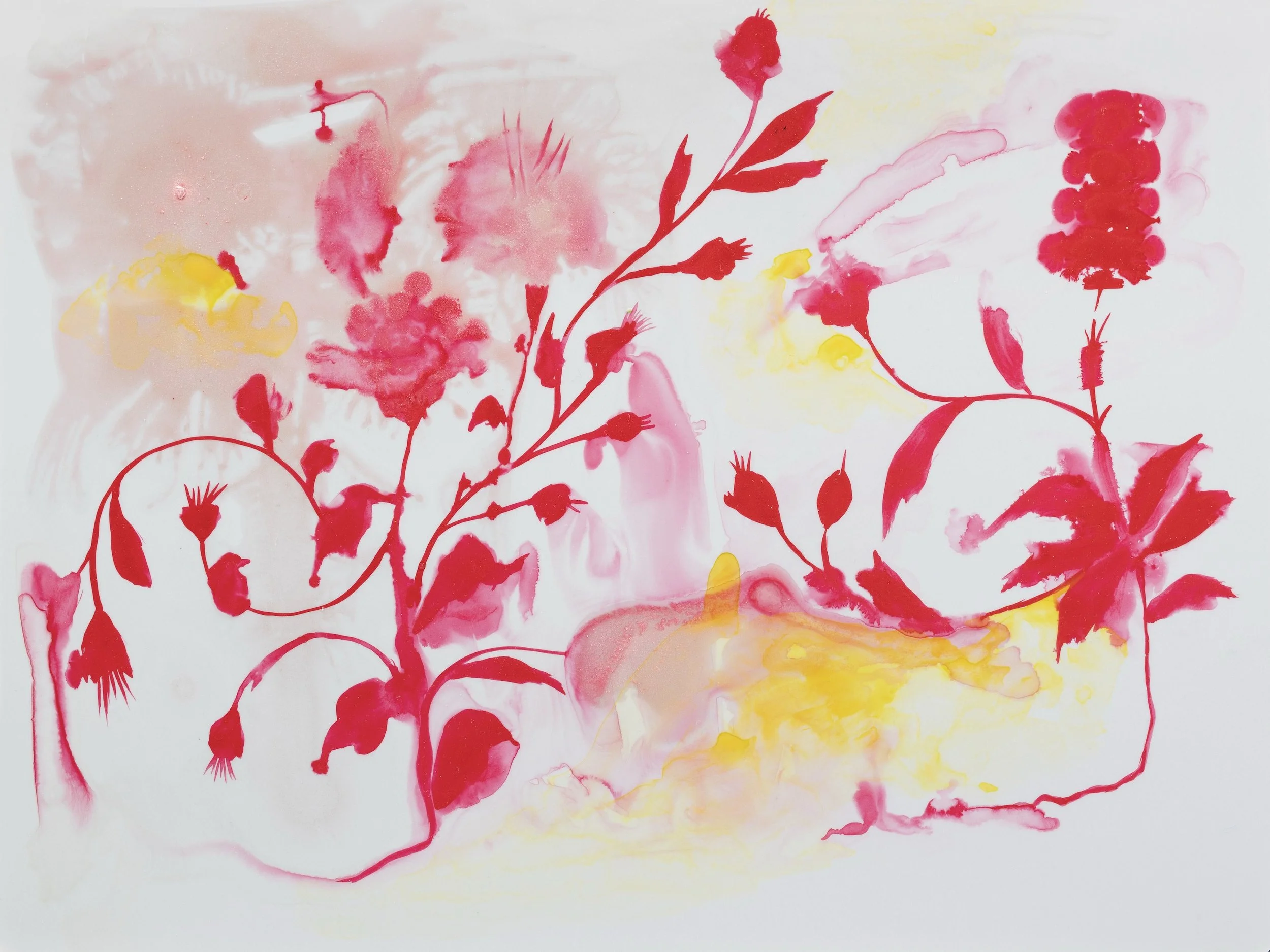
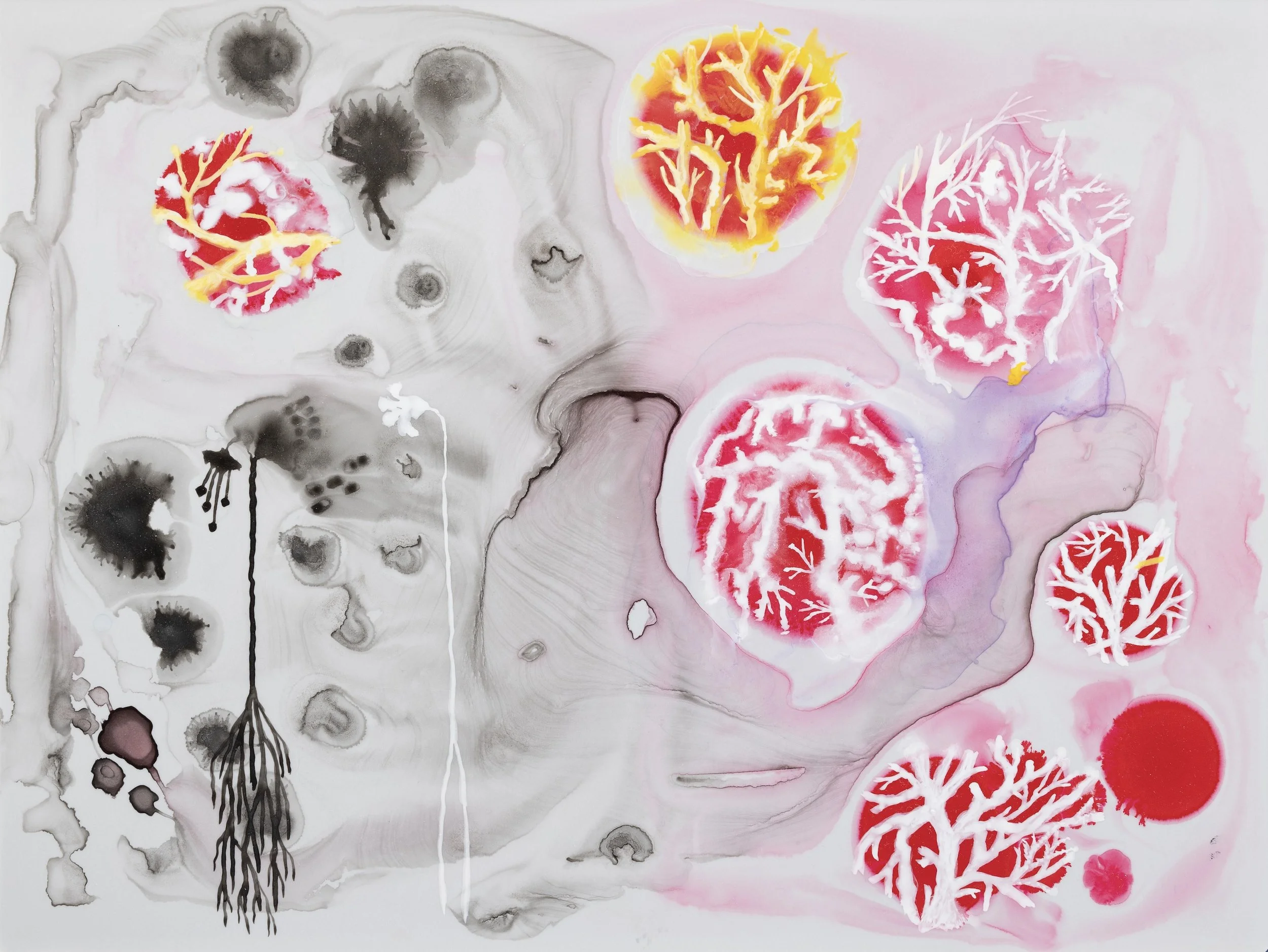
A: Discovering the Yupo watercolor combination was just serendipity – I was away from my studio for 6 weeks and was slowly going crazy – I missed working but had no place to use oil paint, my normal medium. I went to an art supply store and found these very color saturated inks – that’s what I’m using – it’s an acrylic base rather than gum arabic which is the normal watercolor binder but they function the same way as normal watercolors. And I just noticed these pads of Yupo right near the inks – I bought a traditional watercolor block and a Yupo pad and I just started painting. The watercolor gave me a whole new opportunity to partner with materials – I see the watercolors as a partnership with water – I’m directing a bit but also letting the color and the water flow where it will, it’s a really loose process somewhat dictated by the water. I love that sometimes I paint a bit of detail and it just mostly flows away, there’s a lack of control that I really enjoy. And I love the way color pools and puddles on the Yupo and has a bit of a mind of its own. All art making feels like a partnership between the maker and the materials, this is a new one for me – who doesn’t love a new creative partner?
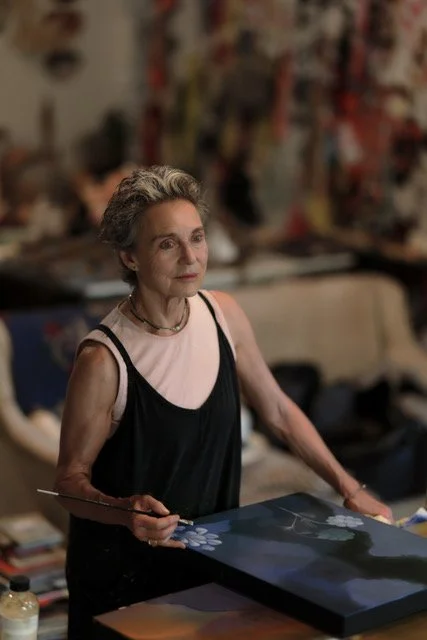
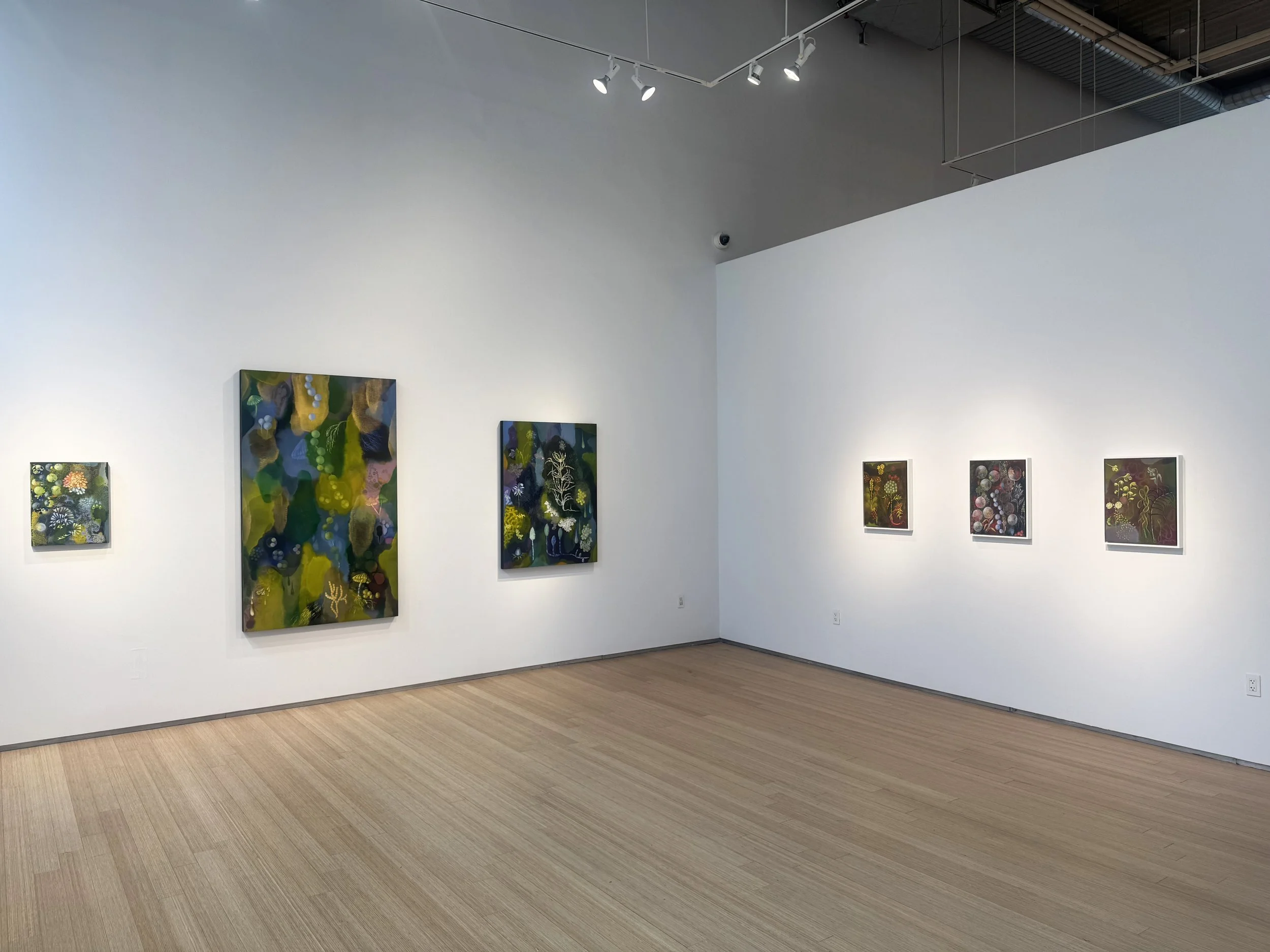
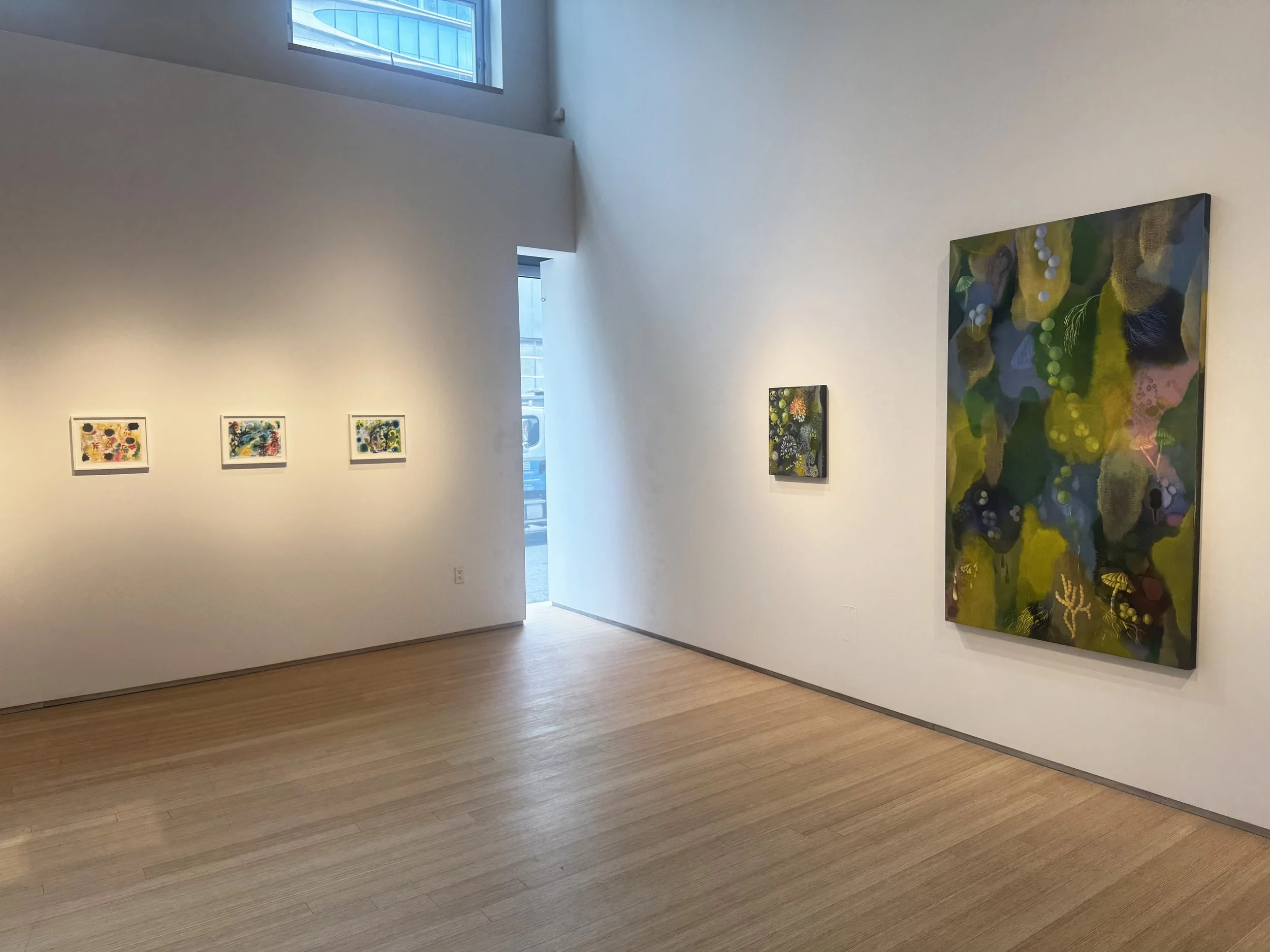
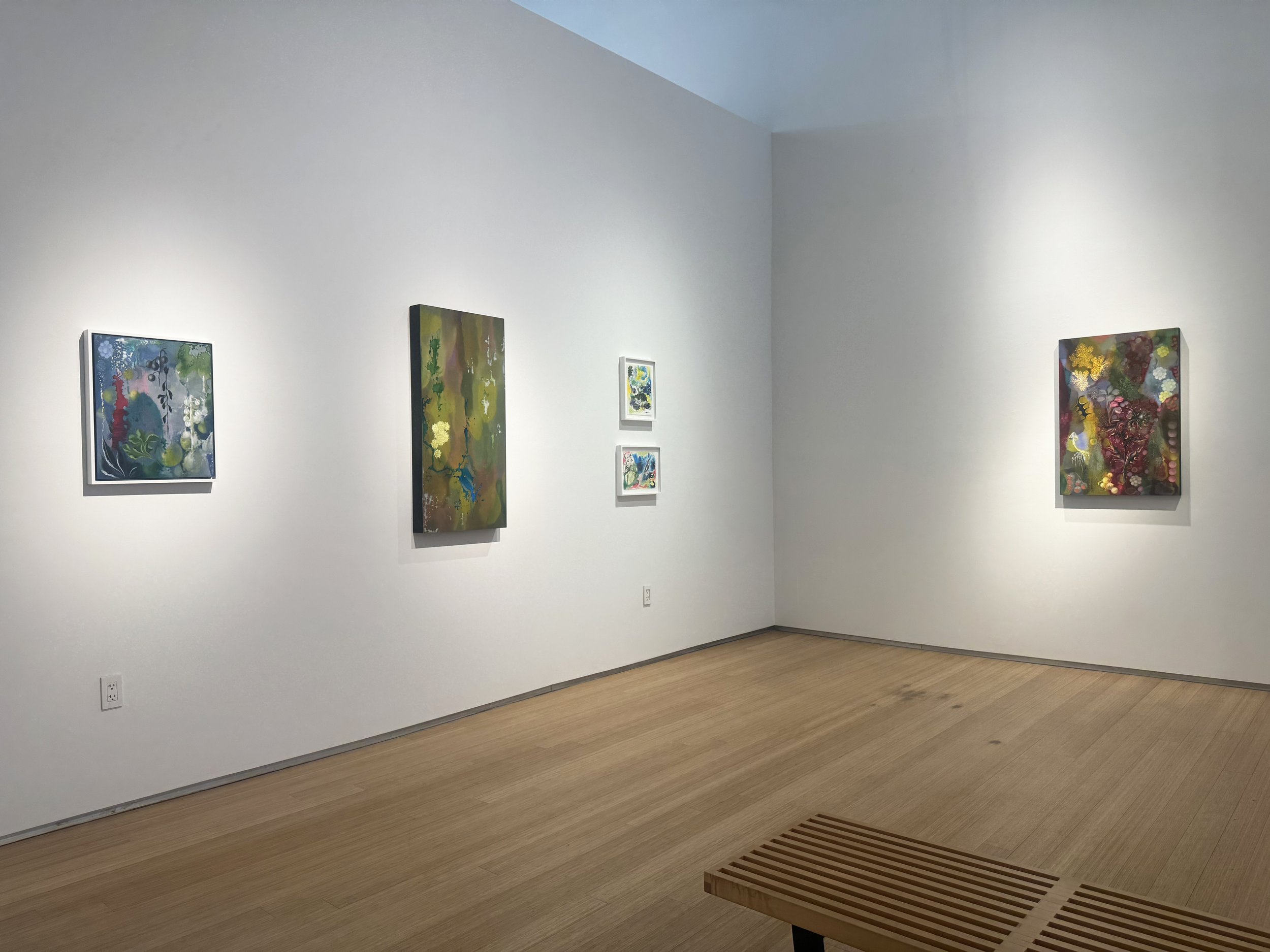
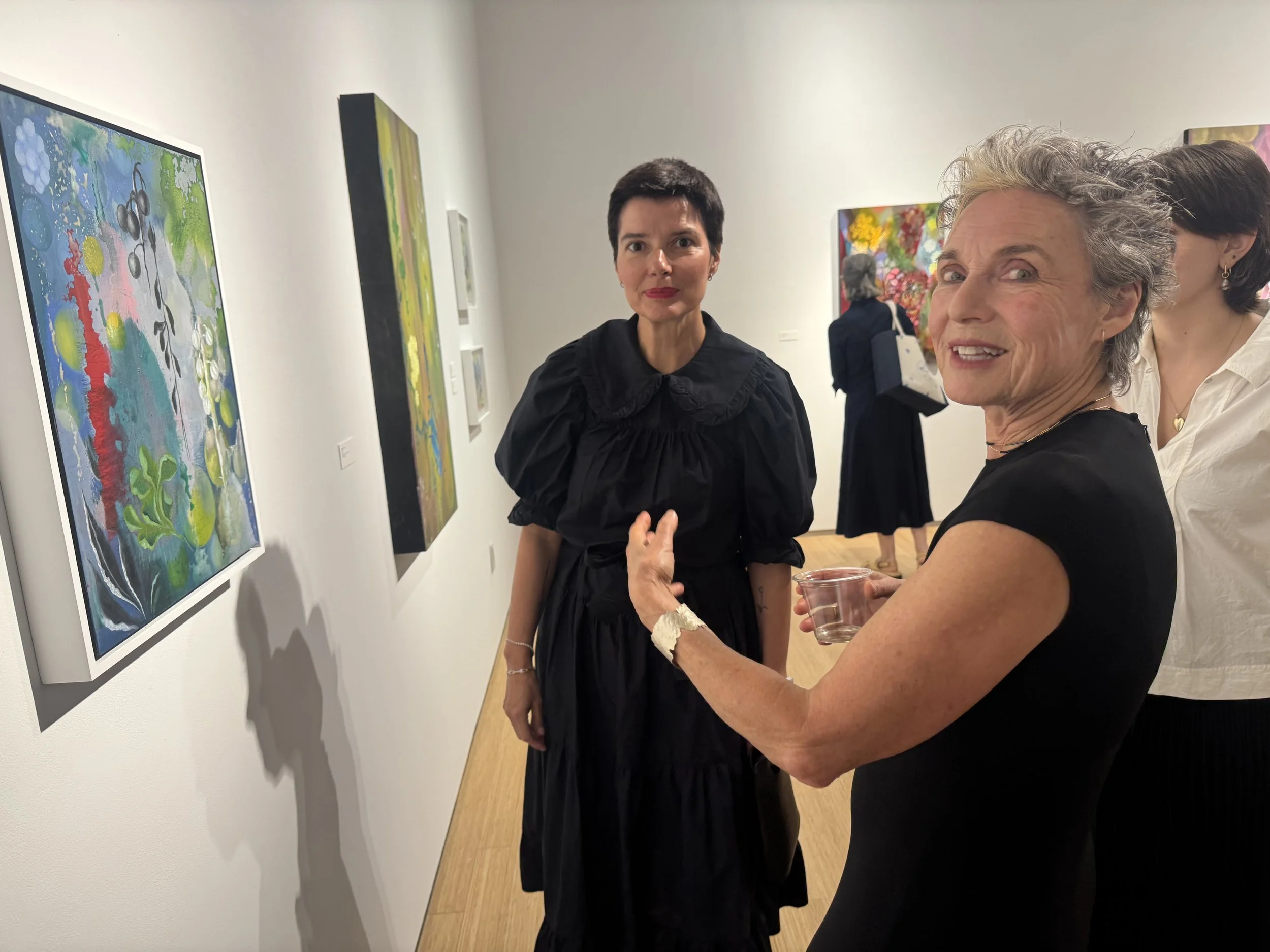
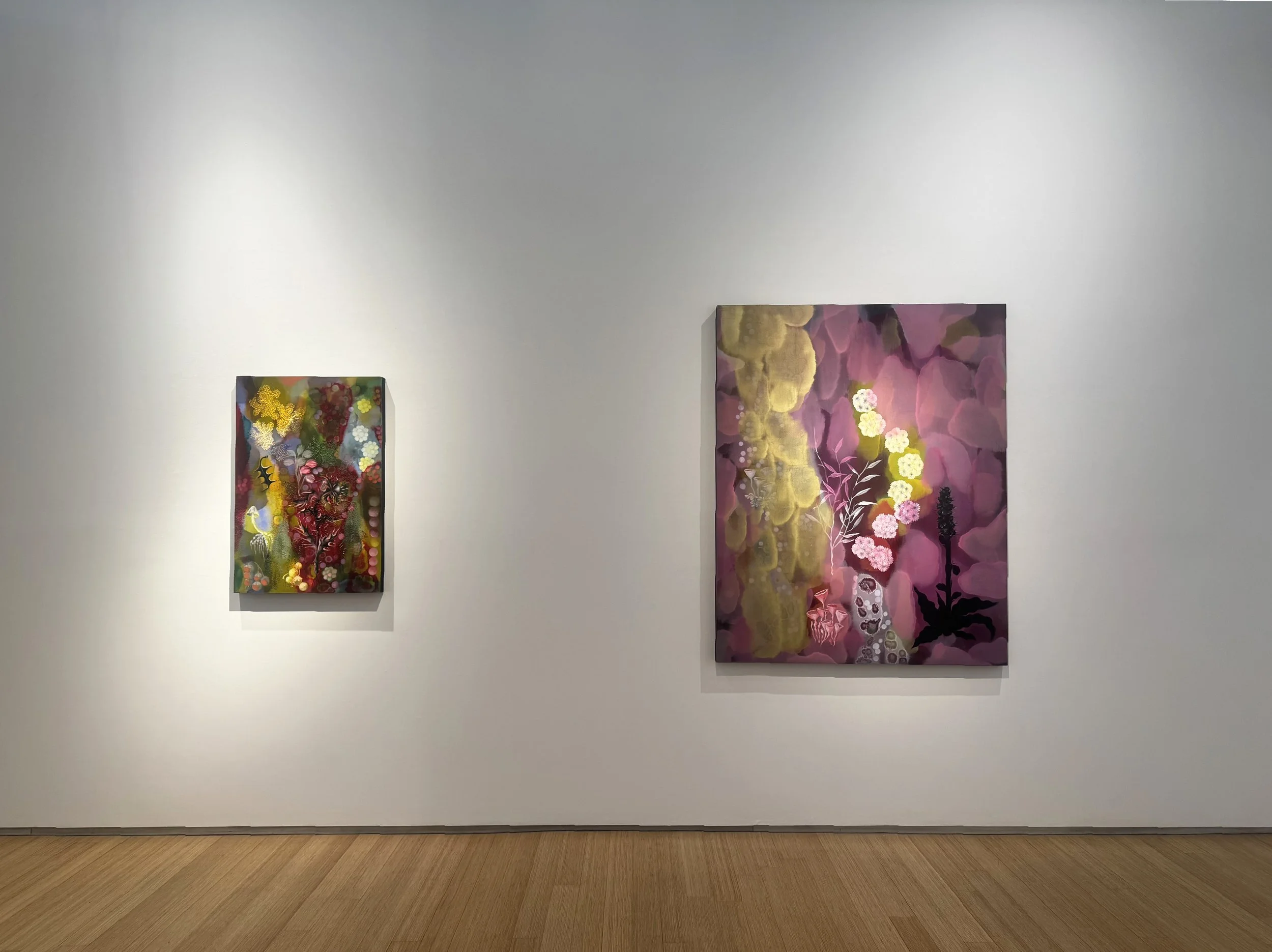
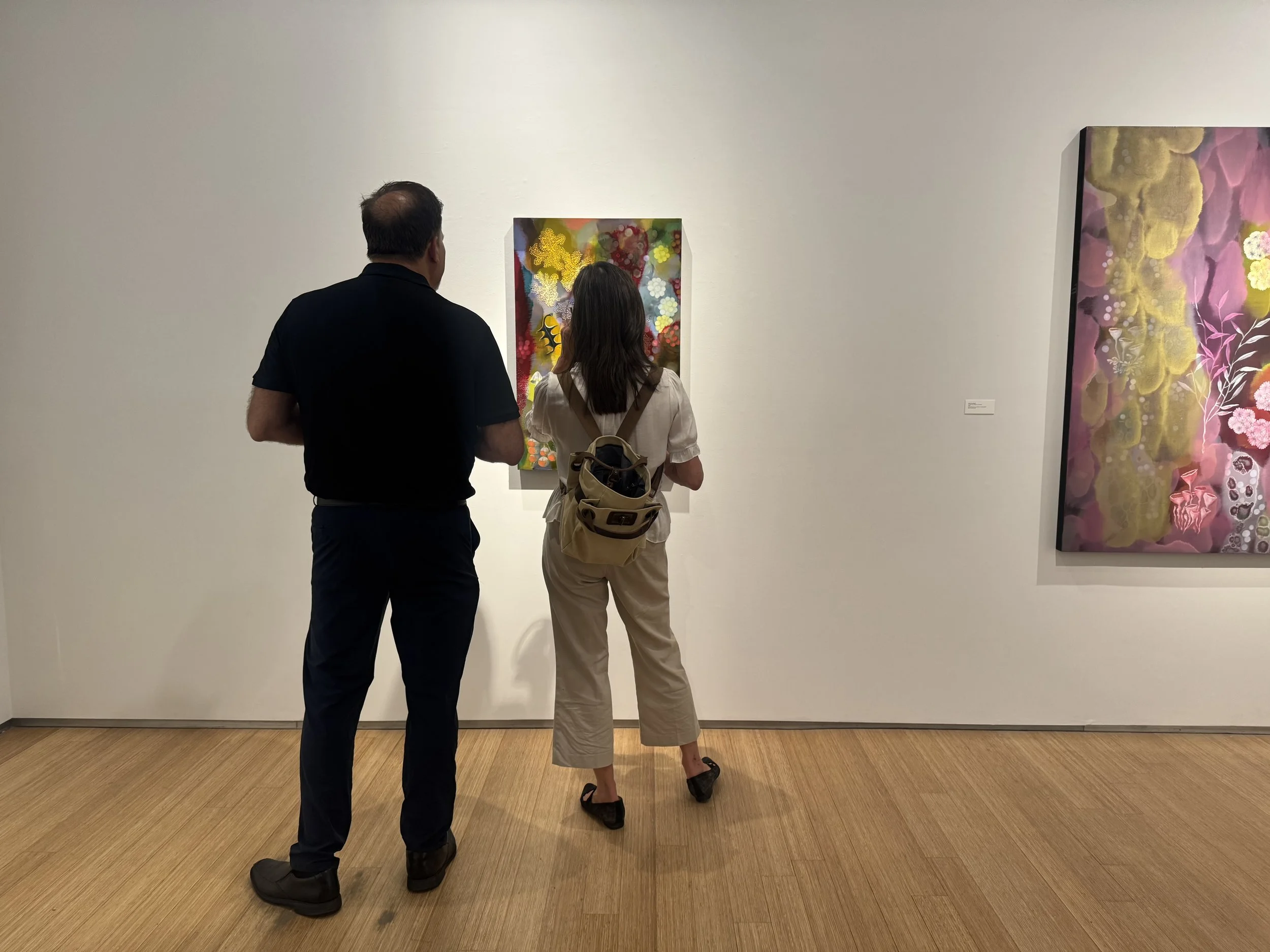
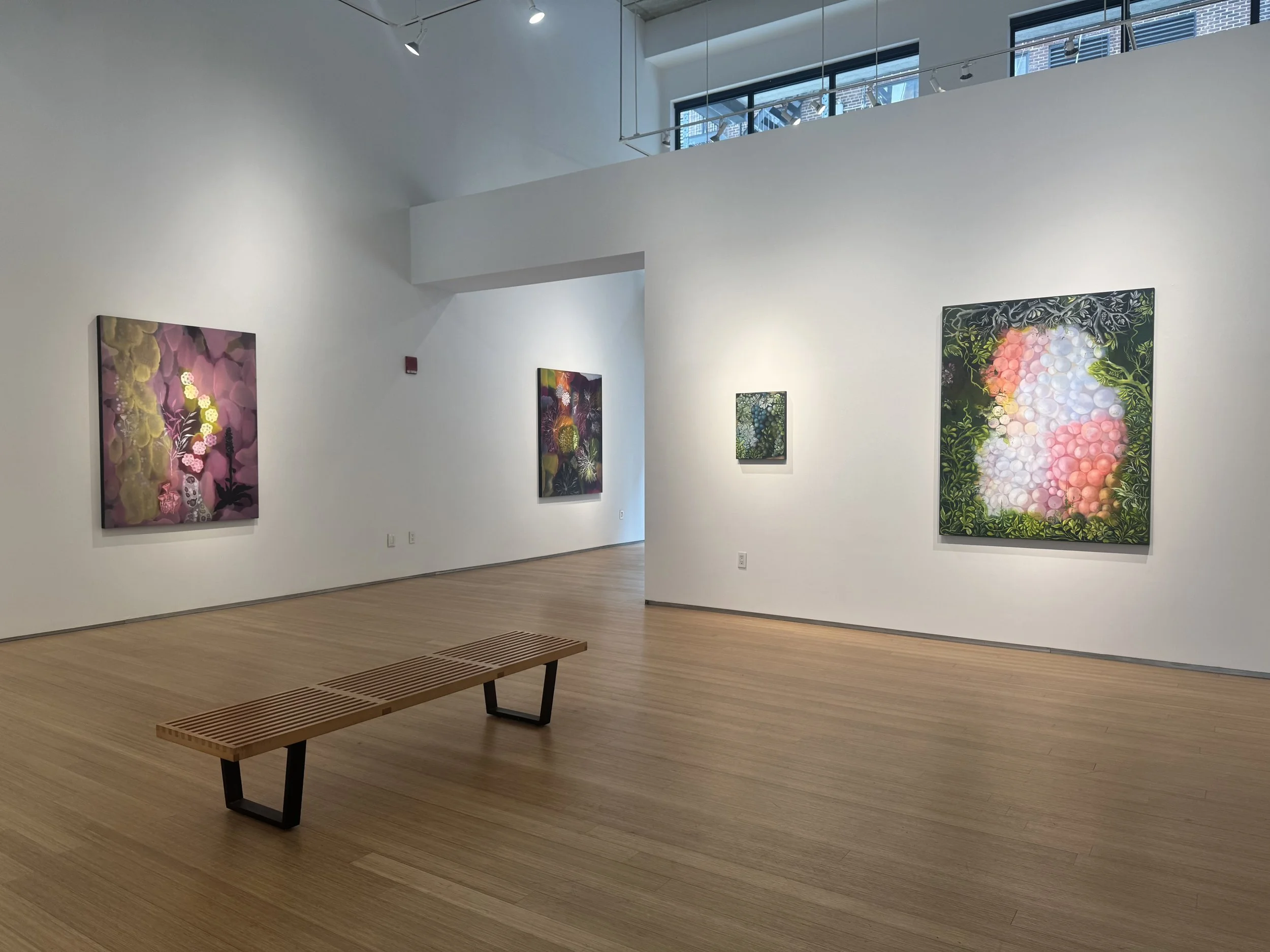
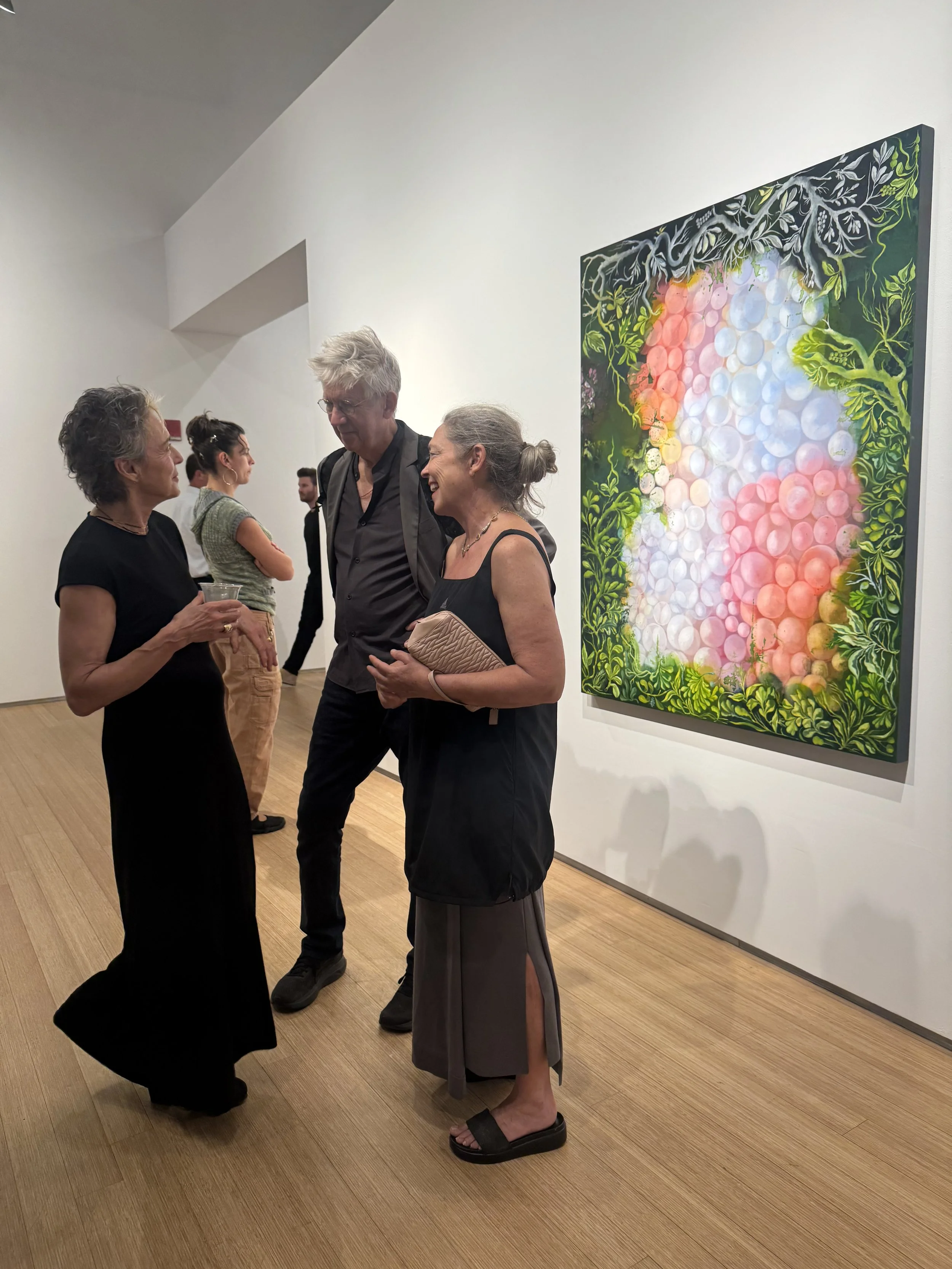
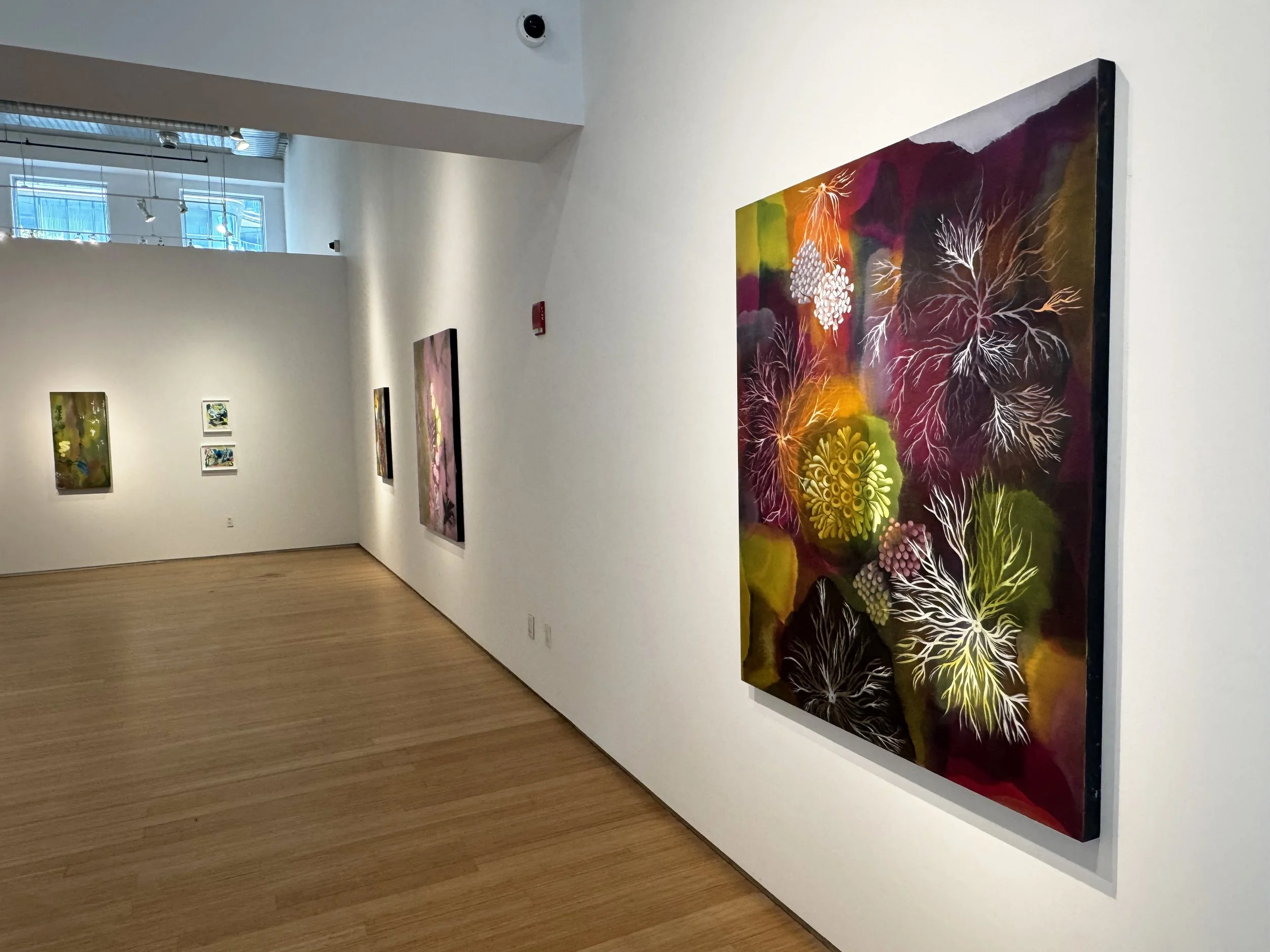
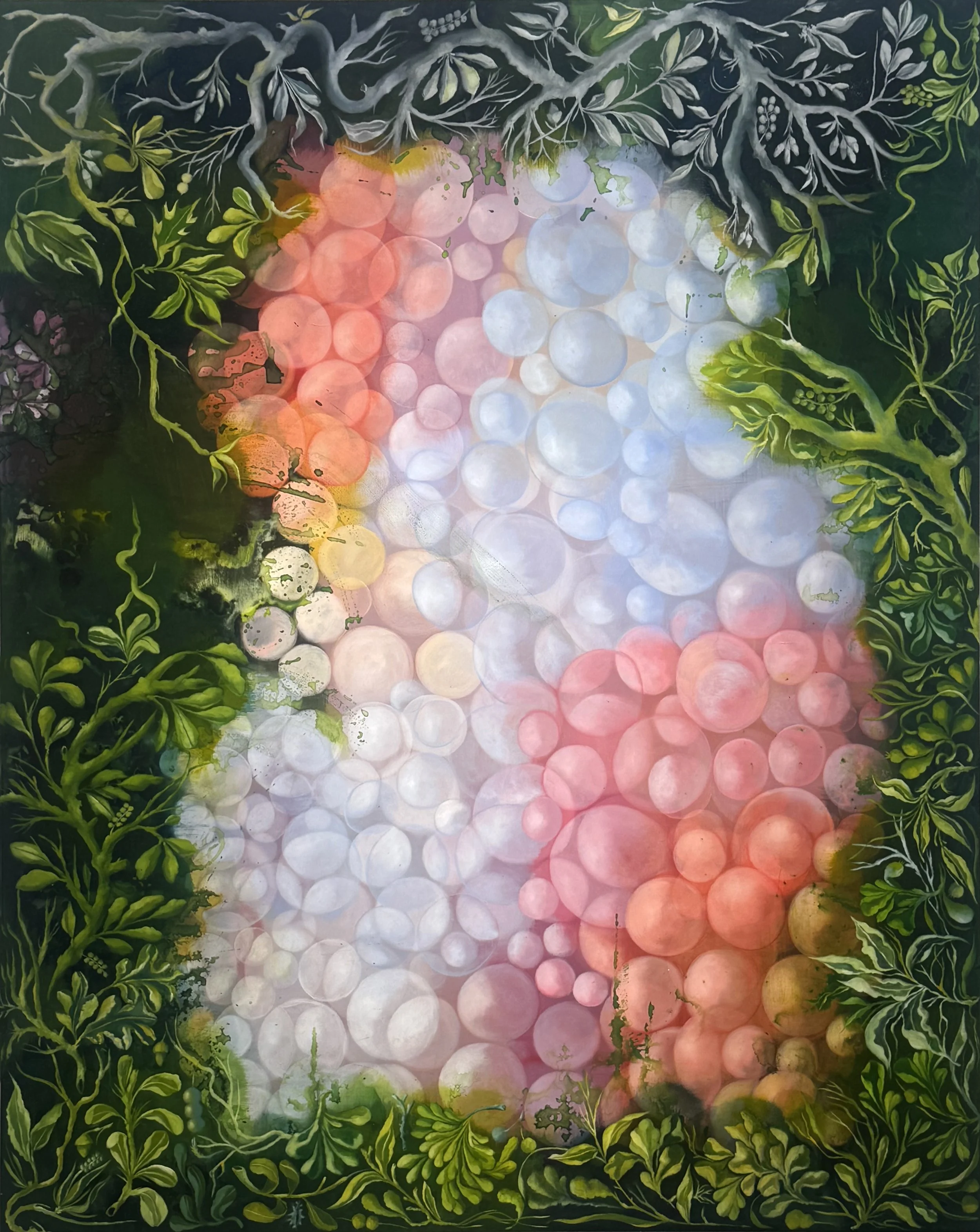
Nancy Hoffman Gallery is pleased to open the season with an exhibition of recent paintings by artist Jody Guralnick. The artist’s work brings the complex, microscopic, and often overlooked networks of the natural world into vivid, large-scale relief.
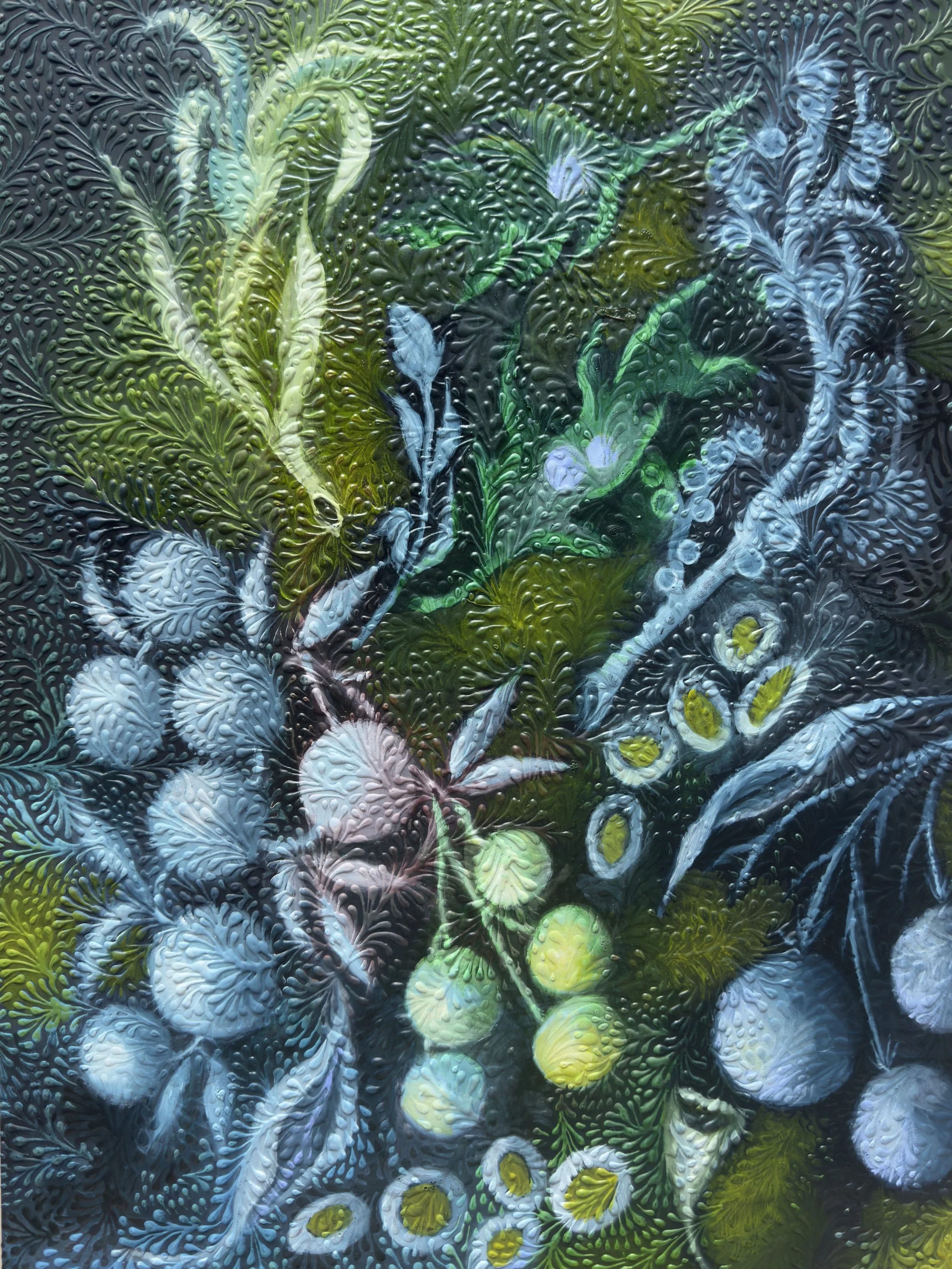
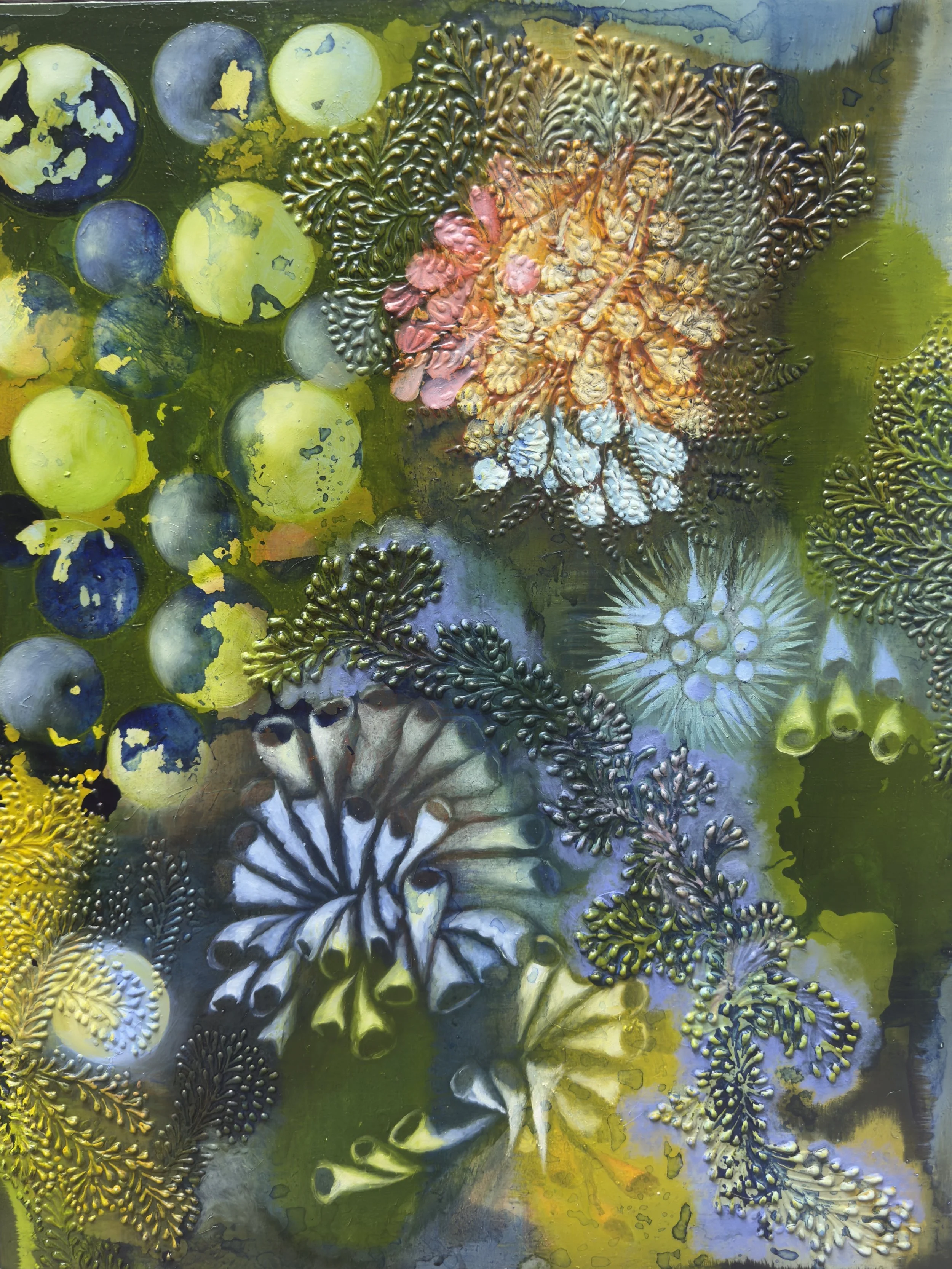
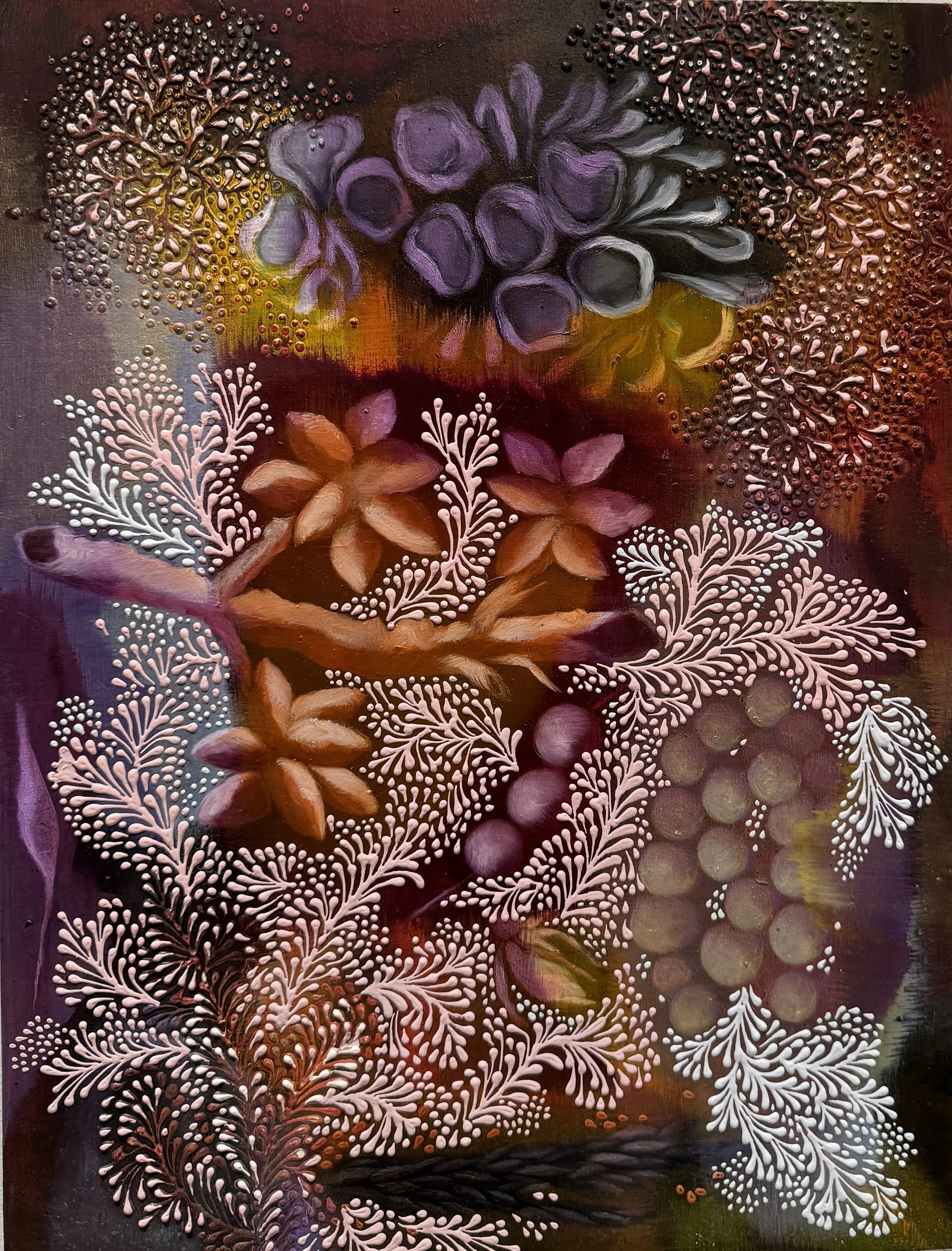
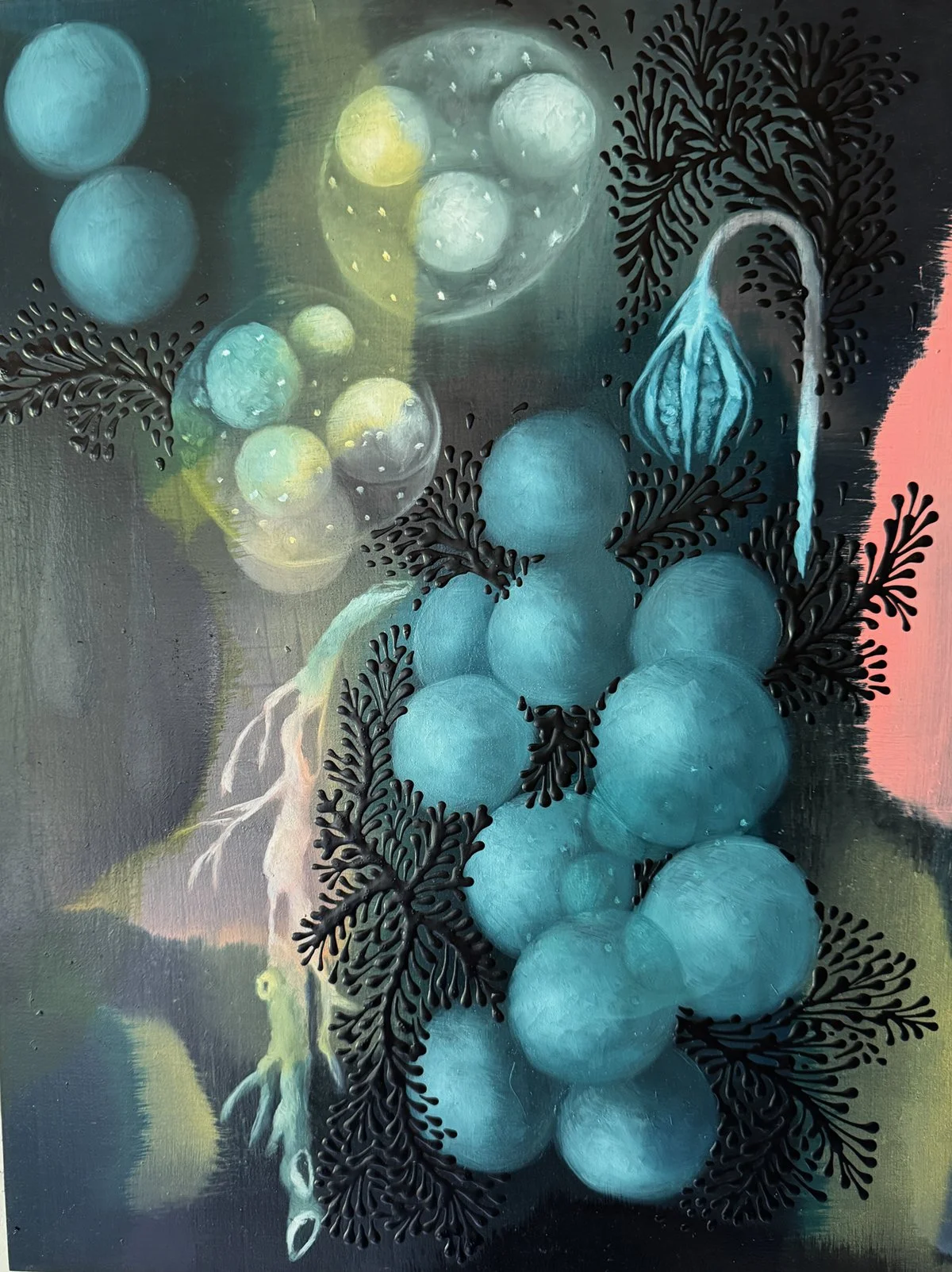
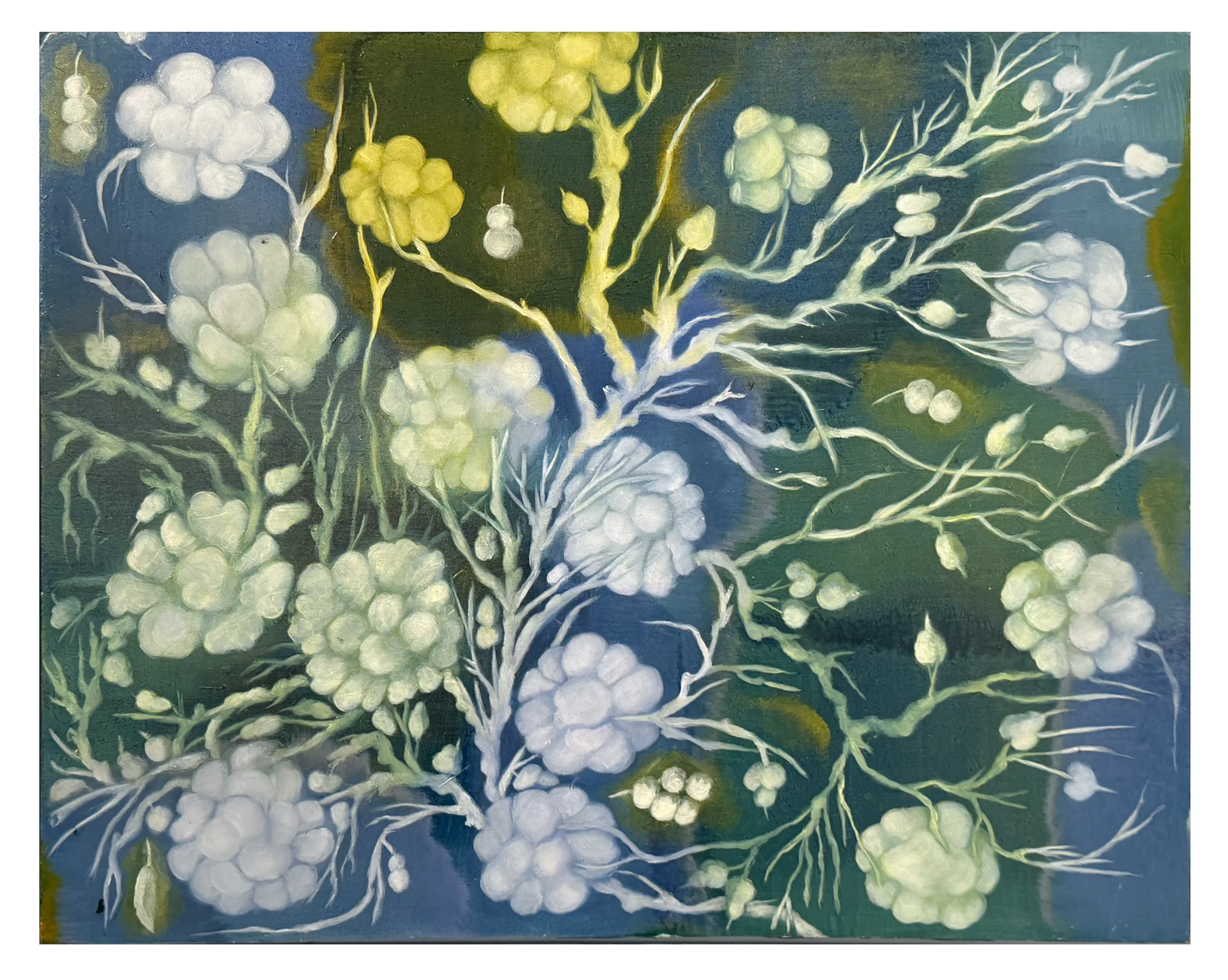
Guralnick’s practice operates at the vital intersection of contemporary art, ecological taxonomy, and citizen science. Her heavily textured compositions explore the intricate, symbiotic structural systems of the "Fifth Kingdom"—focusing intensely on mosses, lichens, molds, and the branching hyphal threads of fungal mycelium. Using a rich, tactile application of acrylic impasto, the artist renders these lacy, baroque configurations in bas-relief against deep, luminous oil backgrounds that evoke a complex natural palette.
“As muses go, yeast, mold, mushrooms, and lichen have a lot to offer,” Guralnick notes. “When fungus grows, it casts these lacy mycelial threads. It's so baroque and over the top.”
The artist's unique visual language is deeply informed by her immersion in environmental observation. After spending nearly a decade navigating the creative community of New York City in the late 1970s and early 1980s—where her work originally repurposed urban detritus and city collage—Guralnick relocated to Aspen, Colorado in the mid-1980s. This geographic shift transformed her practice. Finding that the forest floor contained its own rich archive of "litter," she began a lifelong dedication to scientific field study, eventually becoming a Master Naturalist specializing in lichen with the Forest Conservancy in Aspen.
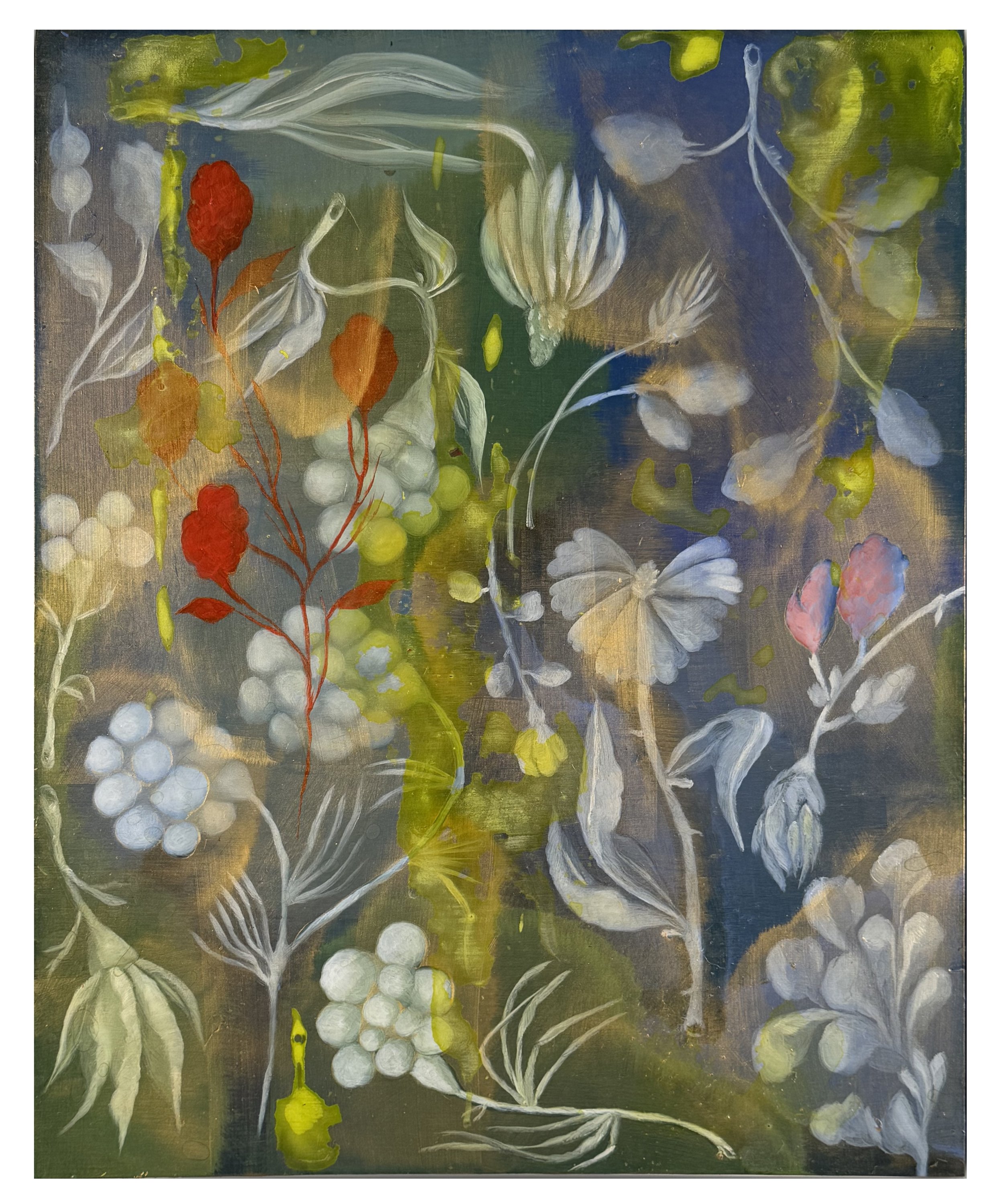
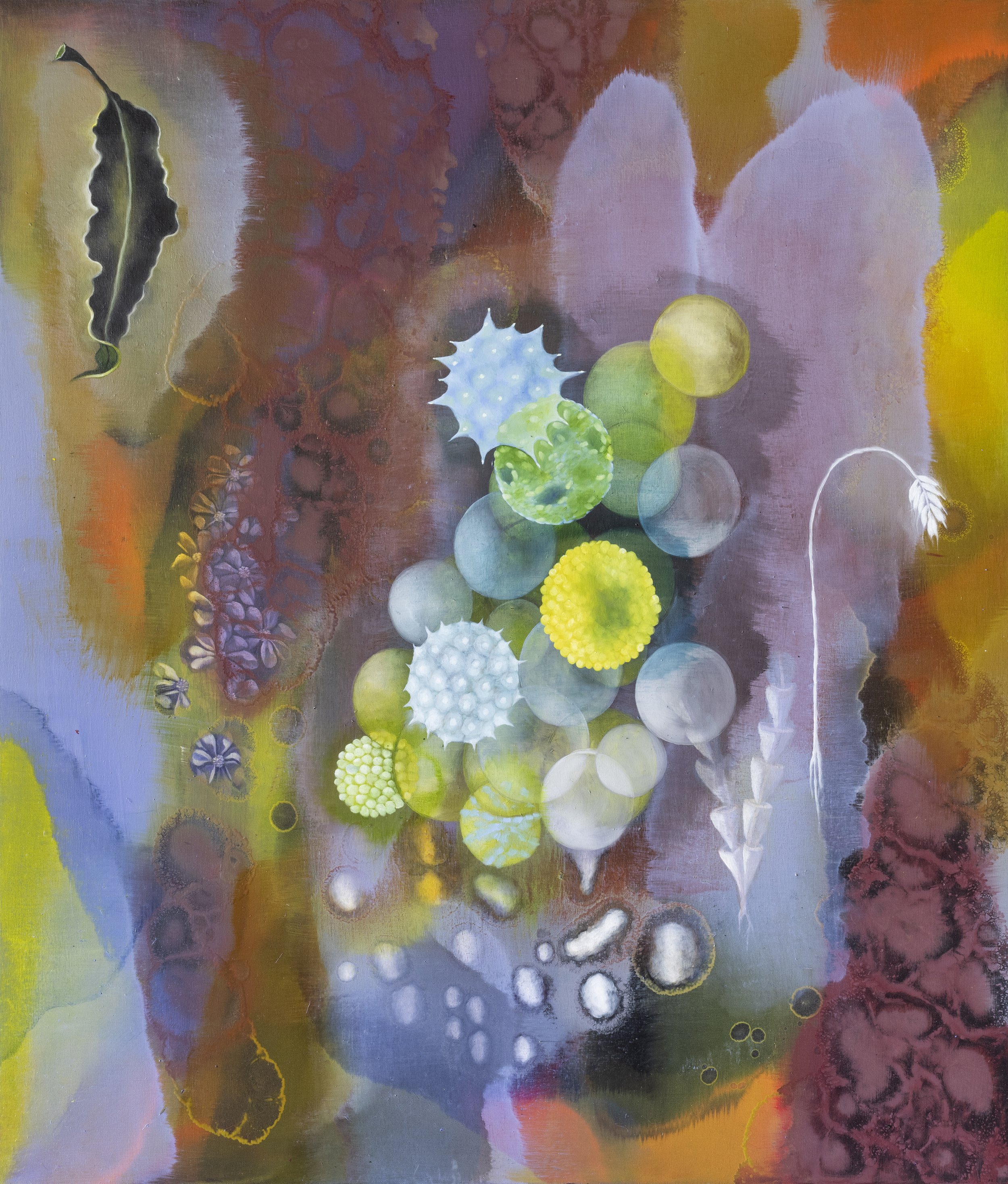
While the canvases are not literal botanical illustrations or portraits of her physical collections, they serve as a powerful conceptual springboard. Her studio—overflowing with gathered mushrooms, bark, and lichen specimens—acts as a laboratory where natural systems are observed and translated. Through her paintings, the microscopic building blocks of nature become macro-level metaphors for ecological connectivity, memory, and the fragility of a planet undergoing rapid climatic shifts.
As Guralnick states: “By using both the tools of science and art I hope to explicate a time and place in three dimensions, a time and place that is rapidly undergoing climatic change, social change, change at the human level and change planet wide. My work is about dissection and classification in order to transform, to disrupt in order to know... I try to work at the point where two worlds touch; where there is a call, and a response.”
About the Artist
Jody Guralnick was born January 16, 1953 in Boston, Mass. She currently lives and works in Aspen, Colorado. After study at the Boston Museum School of Fine Arts, she received her BA from St. Martin’s School of Art, London in 1975, and her MFA from Pratt Institute in 1978. She has had numerous residencies, among them at the American Academy in Rome, and in New York at the Bio Art Residency, School of Visual Arts Bio Lab. She is the recipient of a Ford Foundation Grant, a Visual Arts Fellowship from the Colorado Council on the Arts, and the American Academy in Rome Visiting Artist Fellowship. She has had numerous exhibitions at various galleries in Aspen, Colorado and has been shown in many museum exhibitions including the Museum of Contemporary Art, Denver; Aspen Art Museum, Aspen; The Denver Botanic Gardens, Denver; The Hudson River Museum, Riverdale, NY; and the National Art Museum of China, Beijing. She frequently shares her practice through educational tours in the Rocky Mountains and teaching intensives at the Anderson Ranch Arts Center.